
AI搭載のコンパニオンロボットは、スマートホーム、教育、医療、サービス業界において重要な役割を担うようになってきています。従来の電子機器とは異なり、AIロボットには以下の機能をサポートすることが求められます。 継続的な相互作用、インテリジェント・コンピューティング、動き、センサー、カメラ、および無線通信, これにより、電力システムにはより高い要件が課されることになる。.
適切なバッテリーを選ぶには、容量だけを見ればよいわけではありません。AIロボットに適したバッテリーは、以下の要素のバランスが取れている必要があります。 稼働時間、安全性、重量、充電速度、サイクル寿命、およびインテリジェントなバッテリー管理.
では、どうやって選ぶのでしょうか? AIコンパニオンロボットに適したバッテリー?
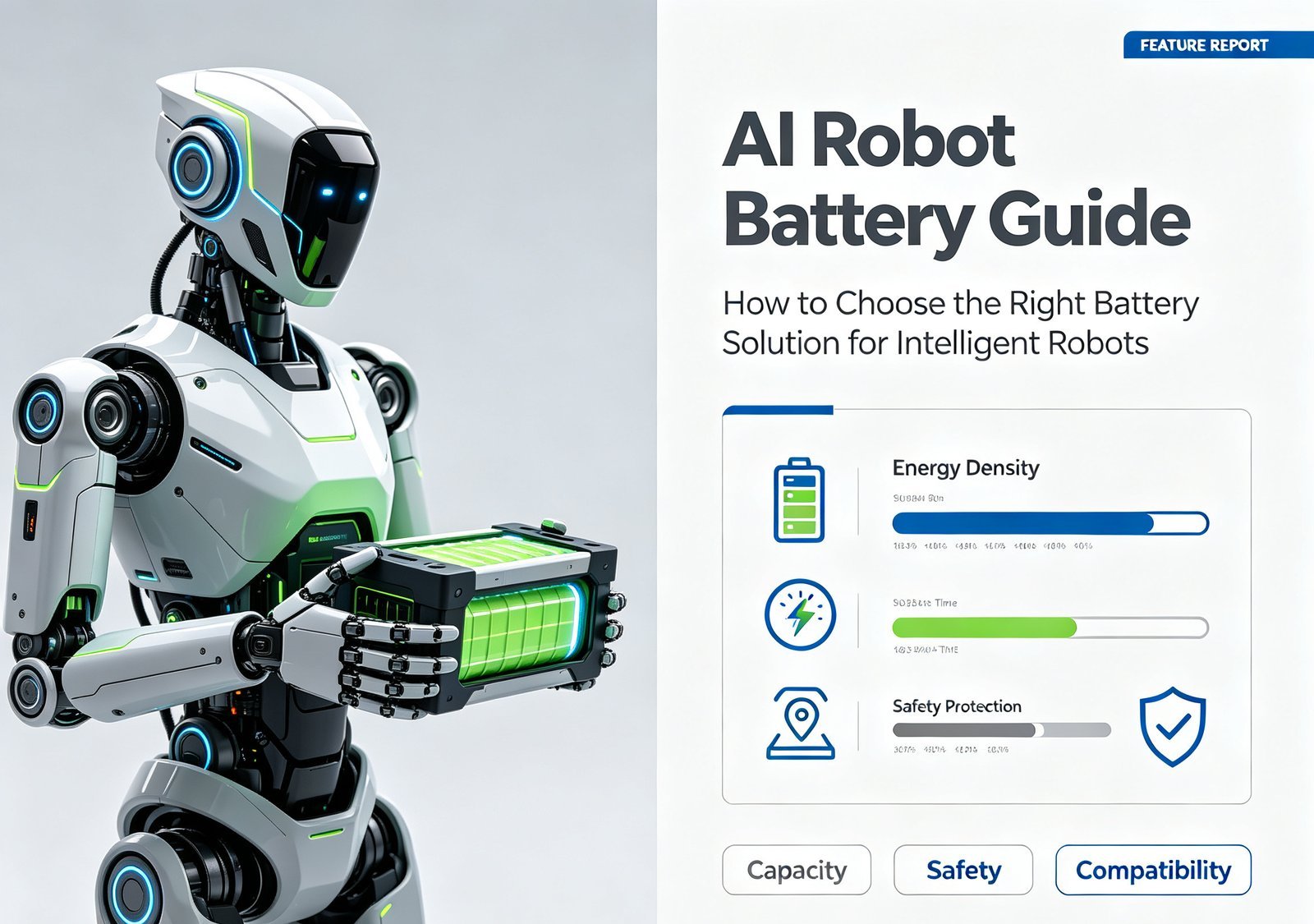
第1部:AIコンパニオンロボットの電力要件を理解する
バッテリーを選定する前に、メーカーはロボットの実際の消費電力を評価する必要があります。.
AI搭載のコンパニオンロボットには、通常、以下の機能が含まれています:
- AI処理モジュール
- カメラとセンサー
- モーターおよびアクチュエータ
- タッチスクリーンまたはディスプレイ
- スピーカーとマイク
- Wi-Fi/Bluetooth/4G通信モジュール
機能によって、必要なエネルギー量は異なります。.
例えば、こうだ:
| 申し込み | バッテリーの要件 |
|---|---|
| 家庭用コンパニオンロボット | 軽量、長時間駆動、静音動作 |
| 教育用ロボット | 安全で頻繁な充電サイクル |
| 医療用ロボット | 高い信頼性、安定した出力 |
| サービスロボット | 大容量、連続運転 |
バッテリーの選定にあたっては、単に容量が最も大きいものを選ぶのではなく、ロボットの稼働環境に合わせて設計すべきである。.
第2部 リチウム電池の化学系の選定
AIコンパニオンロボットにおいては、エネルギー密度が高く、設計の自由度が高いため、リチウム電池が広く採用されている。.
リチウムイオンバッテリー(Li-ion)
対象:
- コンパクトな民生用ロボット
- 携帯型AIデバイス
- 家庭用ロボット
メリット
- 高エネルギー密度
- 軽量設計
- 柔軟な形状のカスタマイズ
- 優れた電力性能
LiFePO4バッテリー
対象:
- サービスロボット
- 医療用ロボット
- 長寿命が求められる業務用AIロボット
メリット
- 優れた熱安定性
- サイクル寿命が長い
- 安全性能の向上
- 安定した放電特性
毎日長時間にわたって稼働するロボットにとって、LiFePO4バッテリーは信頼性の高い電源基盤となります。.
第3部 バッテリー容量:ロボットにはどれくらいのエネルギーが必要か?
バッテリーの容量によって、AIロボットの稼働時間が決まります。.
基本的な計算:
バッテリー容量(Wh)= 電圧(V)× 容量(Ah)
例
24V 10Ahのバッテリー:
24V × 10Ah = 240Wh
ロボットの消費電力が40Wの場合:
240Wh ÷ 40W ≈ 6時間の連続使用時間
ただし、実際のアプリケーションでは、以下の点を考慮する必要があります:
- モーターの起動電流
- AIの計算負荷
- センサーの動作
- 通信モジュール
- バッテリーの経年劣化
専門的なバッテリー設計では、通常、予期せぬシャットダウンを防ぐために安全マージンが設けられています。.
第4部 重量とサイズ:1グラムも無駄にできない
AI搭載のコンパニオンロボットには、多くの場合、以下の要件が求められます:
- 人と人との関わり
- モバイルの動き
- コンパクトな構造
- スムーズな動作
容量の大きいバッテリーは、以下のリスクを高める可能性があります:
- ロボットの重量
- モーターの負荷
- エネルギー消費量
- 製造原価
カスタムバッテリーパックにより、メーカーは以下の点を最適化することができます:
- 電池の形状
- 細胞の配列
- 電圧
- 定員
- 設置位置
例えば、こうだ:
- 柔軟なレイアウトに対応した円筒形セル
- 超薄型設計向けのパウチ型セル
- ロボット構造体用の特注バッテリーハウジング
第5部 AIロボットにはスマートBMSが不可欠
バッテリー管理システム(BMS)は、バッテリーパックの「頭脳」です。.
スマートなBMSには、次のような機能があります:
✅ 過充電防止機能
✅ 過放電保護
✅ 過電流保護
✅ 温度監視
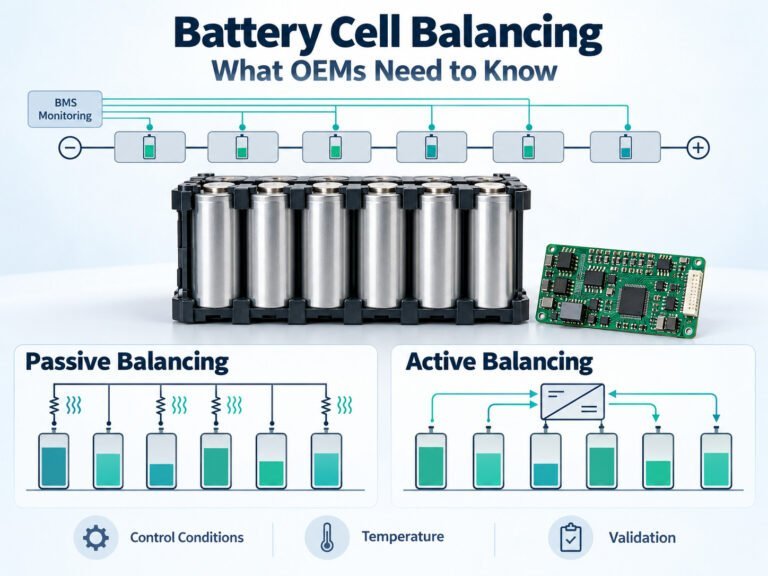
✅ セルのバランス調整
✅ バッテリーの状態監視
インテリジェントロボットの場合、高度なBMSソリューションは以下の機能もサポートします:
- CAN通信
- RS485通信
- UART通信
- バッテリーの遠隔診断
これにより、ロボットの制御システムはバッテリーの状態をリアルタイムで監視できるようになります。.
第6部 AIロボットのバッテリーに関する安全要件
AIロボットは人の近くで動作することが多いため、バッテリーの安全性は極めて重要です。.
信頼性の高いロボット用バッテリーには、以下の要素が備わっている必要があります:
- 高品質なリチウム電池
- 安定したバッテリー構造
- 複数の保護メカニズム
- 熱管理設計
- 厳格な安全性試験
おすすめの認定資格には、次のようなものがあります:
- UN38.3
- IEC 62133
- CE
- UL規格
- RoHS
世界市場においては、各地域のバッテリー規制への準拠も重要です。.
第7部 充電速度とバッテリー持続時間
商業施設で使用されるAIロボットには、効率的な充電が必要です。.
重要な要素としては、以下のものが挙げられます:
急速充電機能
ダウンタイムを削減し、生産性を向上させます。.
サイクル・ライフ
サイクル寿命が長いバッテリーとは、次のようなものです:
- 交換回数の減少
- メンテナンス費用の削減
- 長期的な信頼性の向上
頻繁に使用するロボットの場合、数千回の充電サイクルに耐えるように設計されたバッテリーを選択することで、運用効率を大幅に向上させることができます。.
第8部:AIコンパニオンロボット向けカスタムバッテリーソリューション
AIロボットごとに、それぞれ異なる要件があります。.
リチウム電池の専門メーカーが提供できるものは以下の通りです:
- バッテリー構造設計
- 細胞の選択
- BMS開発
- 試作
- 安全性試験
- 量産支援
代表的なカスタマイズ可能なパラメータ:
- 電圧:12V / 24V / 36V / 48V
- 容量:稼働時間の要件に応じてカスタマイズ
- 通信:CAN / RS485 / UART
- 保護等級:IP規格に準拠した設計の製品をご用意しています
AIロボット用バッテリーソリューションに、なぜYizhan Electronicsを選ぶべきなのでしょうか?
東莞伊湛電子科技有限公司 ロボット、産業用機器、スマートデバイス向けの、カスタマイズされたリチウムイオンバッテリーパックソリューションを専門としています。.
OEM/ODMバッテリー開発の実績を持つYizhanは、以下のサービスを提供しています:
- カスタマイズされたリチウム電池の設計
- スマートBMSソリューション
- リチウムイオンおよびLiFePO4バッテリーパック
- プロトタイプ開発
- 安全認証のサポート
- 量産能力
バッテリーのコンセプト設計から最終生産に至るまで、Yizhanはロボットメーカーが信頼性が高くインテリジェントな電源ソリューションを構築できるよう支援しています。.
よくあるご質問
AIコンパニオンロボットには、どのような種類のバッテリーが最適でしょうか?
リチウムイオン電池は小型のAIロボットに広く使用されていますが、LiFePO4電池は、より長い寿命と高い安全性が求められるロボットに適しています。.
AIロボットのバッテリーはどれくらい持つのでしょうか?
稼働時間は、バッテリーの容量とロボットの消費電力によって異なります。特定の稼働時間に合わせて、カスタマイズされたバッテリーパックを設計することが可能です。.
AIロボットのバッテリーは、ロボットシステムとの通信に対応していますか?
はい。スマートBMSソリューションは、リアルタイム監視のためにCAN、RS485、およびUART通信に対応しています。.
バッテリーパックは、ロボットの設計に応じてカスタマイズできますか?
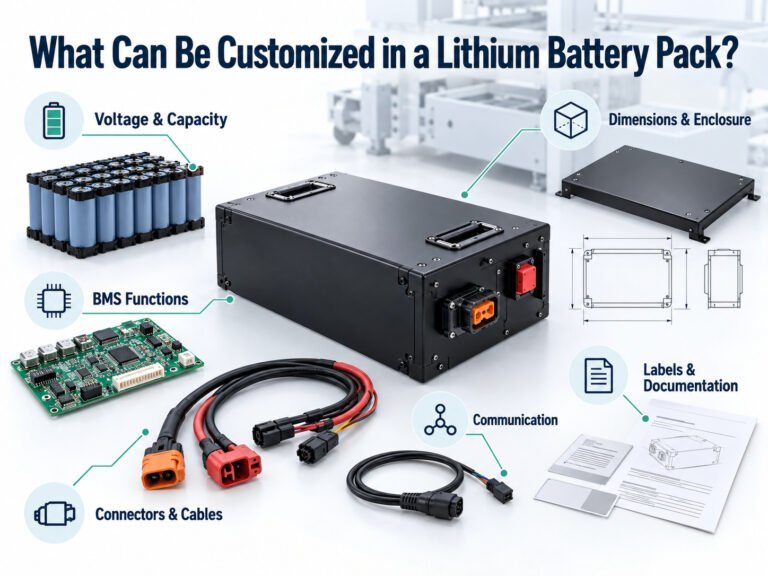
はい。バッテリーメーカーは、電圧、容量、外形寸法、コネクタ、および通信機能をカスタマイズすることができます。.
 English
  Chinese
  Japanese
  German
  French
  Korean
