産業用ロボットはなぜリチウム電池を使用するのか?

Industrial robotics is evolving rapidly, driven by automation, AI, and smart logistics systems. However, one of the most critical but often overlooked transformations is happening inside the power system.

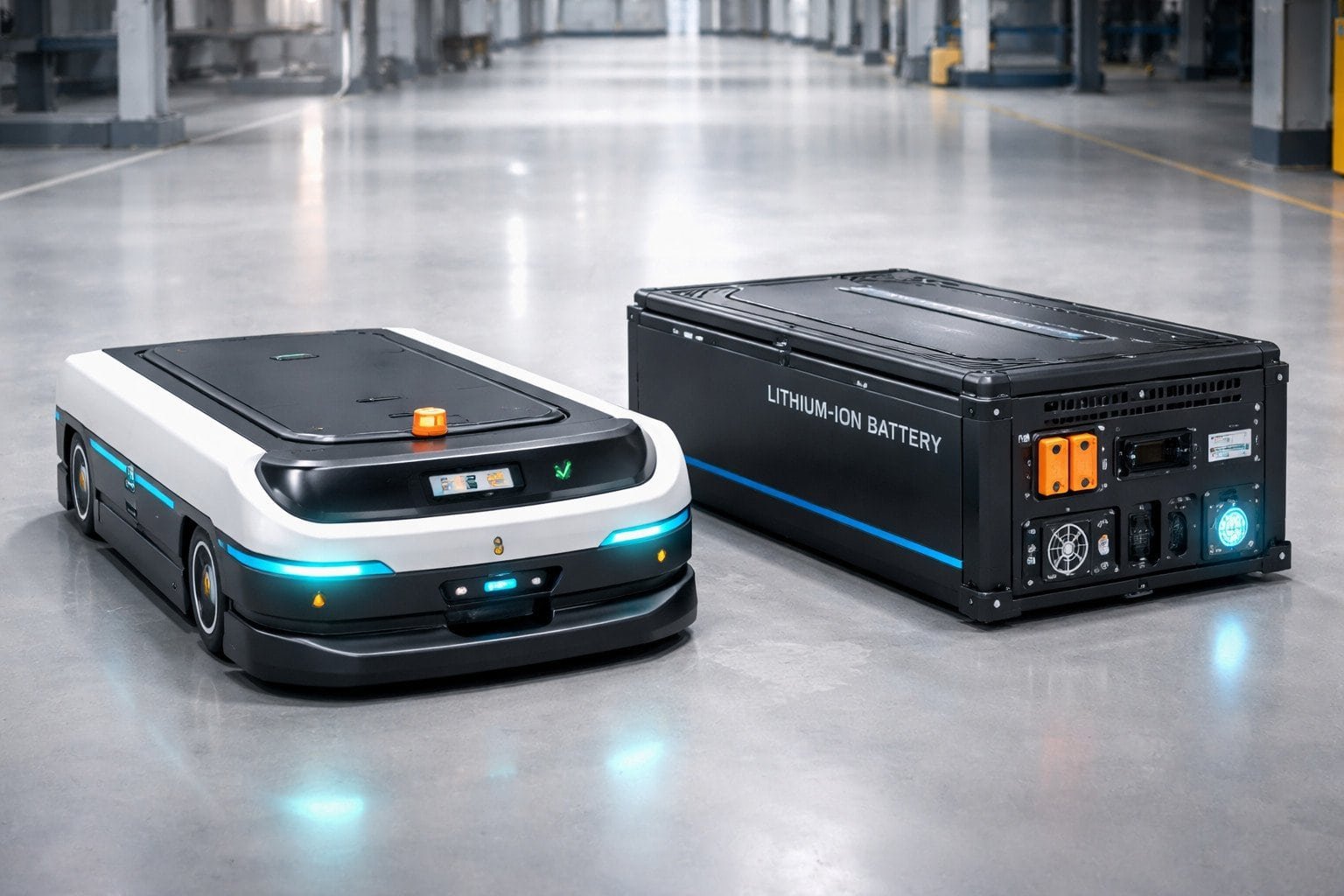
In 2026, lithium robot batteries are replacing traditional lead-acid batteries as the dominant energy source for AGVs, AMRs, and industrial robots.

This shift is not just about performance—it directly impacts uptime, efficiency, and total operating cost.

AGV Batteries

Part 1.Why Lead-Acid Batteries Can No Longer Support Modern Robotics

1. High Downtime Costs

Lead-acid batteries require long charging cycles and frequent maintenance, reducing robot availability in 24/7 operations.

2. Limited Cycle Life

Typical lead-acid systems degrade quickly under frequent charge-discharge cycles, increasing replacement frequency.

3. Inefficient Energy Output

Voltage drop under load leads to unstable robot performance and system interruptions.

4. Maintenance Burden

Water refilling, equalization charging, and routine checks increase operational complexity.

Part 2.Why Lithium Batteries Are Becoming the Industry Standard

1. Longer Cycle Life for Industrial Use

Lithium iron phosphate (LiFePO₄) systems offer 2,000–5,000 cycles, significantly reducing total cost of ownership.

2. Fast Charging & Opportunity Charging

Lithium batteries support partial and rapid charging, allowing robots to stay operational throughout the day.

3. Stable Voltage Output

Consistent discharge ensures stable robot performance even under heavy load conditions.

4. Lightweight and High Energy Density

Improves mobility efficiency and reduces mechanical stress on robotic systems.

5. メンテナンスフリーの運用

No water refilling or electrolyte management required.

Part 3.Smart BMS — The Core of Modern Robot Battery Systems

Modern lithium robot batteries are not just energy storage units—they are intelligent systems.

Key Smart BMS functions include:

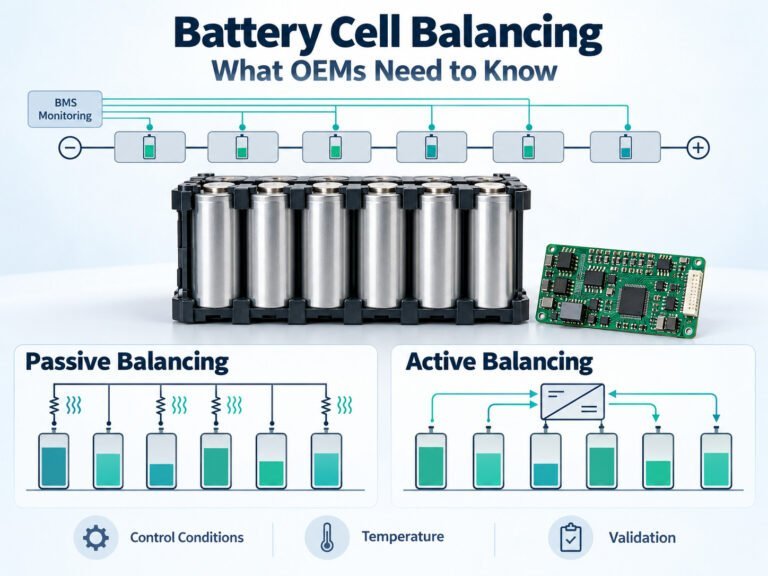
  • Real-time voltage, current, and temperature monitoring
  • SOC / SOH (State of Charge & Health) estimation
  • 過充電、過放電、短絡保護
  • CAN / RS485 / Modbus communication with robots
  • Predictive maintenance and fault detection

This enables robots to operate more safely and efficiently with reduced downtime risk.

Part 4.Industrial Applications Driving Lithium Adoption

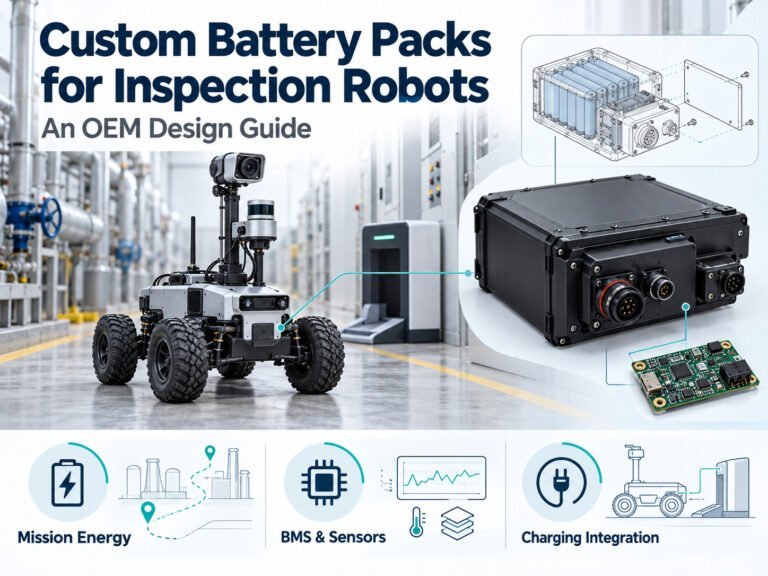
Lithium robot batteries are widely used in:

  • AGV (無人搬送車)
  • AMR(自律移動ロボット)
  • Smart warehouse logistics systems
  • Factory automation lines
  • Industrial cleaning robots
  • Material handling systems

These applications require continuous uptime and high operational reliability.

Part 5.Downtime Reduction: The Key Business Driver

In industrial automation, downtime directly impacts productivity and cost.

Lithium battery systems reduce downtime through:

  • Faster charging cycles
  • より高いエネルギー効率
  • Predictable discharge behavior
  • Reduced maintenance interruptions
  • Smart diagnostics via BMS

As a result, operational continuity improves significantly.

Part 6.2026 Trend — From Power Supply to Energy Intelligence

The evolution of robot batteries is moving beyond chemistry.

The 2026 trend focuses on energy intelligence systems, where batteries:

  • Communicate with fleet management systems
  • Optimize energy usage in real time
  • Predict failure before it occurs
  • Support autonomous charging strategies
  • Improve overall fleet efficiency

Robots are no longer just powered—they are energy-aware.

Part 7. Customized Lithium Robot Battery Solutions

東莞伊湛電子科技有限公司 provides customized lithium battery solutions for industrial robotics applications.

Capabilities include:

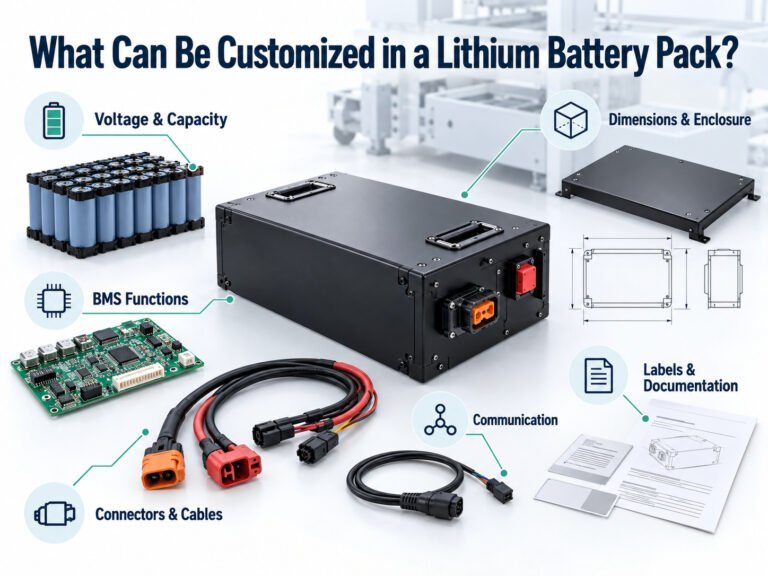
  • LiFePO₄ / lithium-ion battery pack design
  • 24V / 48V / 60V / 72V customized systems
  • High-cycle industrial-grade battery architecture
  • Smart BMS with CAN / RS485 / Modbus communication
  • IP-rated enclosure design for harsh environments
  • OEM / ODM full customization support
  • 100% aging and performance testing before shipment

Conclusion — The Future of Robotics Depends on Energy Systems

The transition from lead-acid to lithium batteries is no longer optional—it is the foundation of modern industrial automation.

Companies that upgrade their robot energy systems gain:

  • Lower downtime
  • より高い効率
  • Reduced maintenance cost
  • Improved fleet intelligence

In 2026, the real competition in robotics is not just about machines—but about the energy systems that keep them alive.

If you are upgrading your AGV, AMR, or industrial robot systems, choosing the right battery architecture is critical for reducing downtime and improving efficiency.

We provide fully customized lithium robot battery solutions designed for industrial automation environments.

👉 お問い合わせ for OEM/ODM battery solutions and technical consultation.

よくあるご質問

Q1: Why are lithium batteries replacing lead-acid in robots?

Because they offer longer life, faster charging, stable output, and lower maintenance costs.

Q2: What is the lifespan of a lithium robot battery?

Typically 2,000–5,000 cycles depending on chemistry and usage conditions.

Q3: Are lithium batteries safer for industrial robots?

Yes. With Smart BMS protection, lithium systems offer higher thermal and electrical safety control.

Q4: What robots use lithium batteries?

AGVs, AMRs, warehouse robots, cleaning robots, and industrial automation systems.

Q5: Can lithium batteries reduce robot downtime?

Yes. Faster charging, stable output, and predictive BMS reduce unexpected shutdowns significantly.

2026年に産業用ロボット分野で、リチウムイオンロボット用バッテリーが鉛蓄電池に取って代わろうとしている理由をご覧ください。AGVやAMRシステムにおける、長寿命、急速充電、スマートBMS制御、ダウンタイムの短縮といった主なメリットについてご紹介します。.
2026-07-04
+
Yizhan Electronicsが、世界中の産業用途向けに、カスタムバッテリーパックの設計、エンジニアリング、スマートBMSの開発、試験、製造を通じて、OEMおよびODMのリチウム電池プロジェクトをどのように支援しているかをご紹介します。.
2026-07-03
+
2026年に、なぜより多くのゴルフカートがリチウム電池へのアップグレードを進めているのか、その理由をご紹介します。長寿命、急速充電、メンテナンスの手間軽減、そして性能向上といったメリットについてご説明します。 Yizhan Electronicsは、ゴルフカート向けのワンストップOEM/ODMリチウム電池ソリューションを提供しており、世界中のフリート運営会社やメーカー向けに36V~72Vのカスタマイズシステムを提供しています。『2026年版 ゴルフカート用リチウム電池アップグレードガイド ― なぜリチウム電池に切り替えるべきか?』
2026-07-02
+
Yizhanが提供する、電動自転車、産業用機器、AGV、ロボット、船舶用機器、医療機器向けのワンストップ型カスタムリチウム電池ソリューションをご覧ください。研究開発や試作開発から量産に至るまで、OEMおよびODM向けの包括的な電池ソリューションをご提供いたします。.
2026-07-01
+