
多くの電動自転車の利用者が、次のような問題に直面しています:
平坦な道ではバッテリーは正常に動作しますが、坂道を登ると、出力が急激に低下したり、車両が突然停止したりします。.
まず最初に頭に浮かぶのは、たいていこうです:
“「バッテリーの容量が少なすぎるのでしょうか?」”
しかし、登坂時の出力低下は、必ずしもバッテリーの容量不足を意味するわけではありません。.
クライミングのパフォーマンスに影響を与える実際の要因は以下の通りです:
- 即時放電機能
- 連続放電電流
- 電池セルの性能
- BMS保護設定
電動自転車、ゴルフカート、AGV、ロボットなどの高負荷用途において、バッテリーには単なるエネルギー貯蔵機能以上のものが求められます。強力かつ安定した出力が必要なのです。.
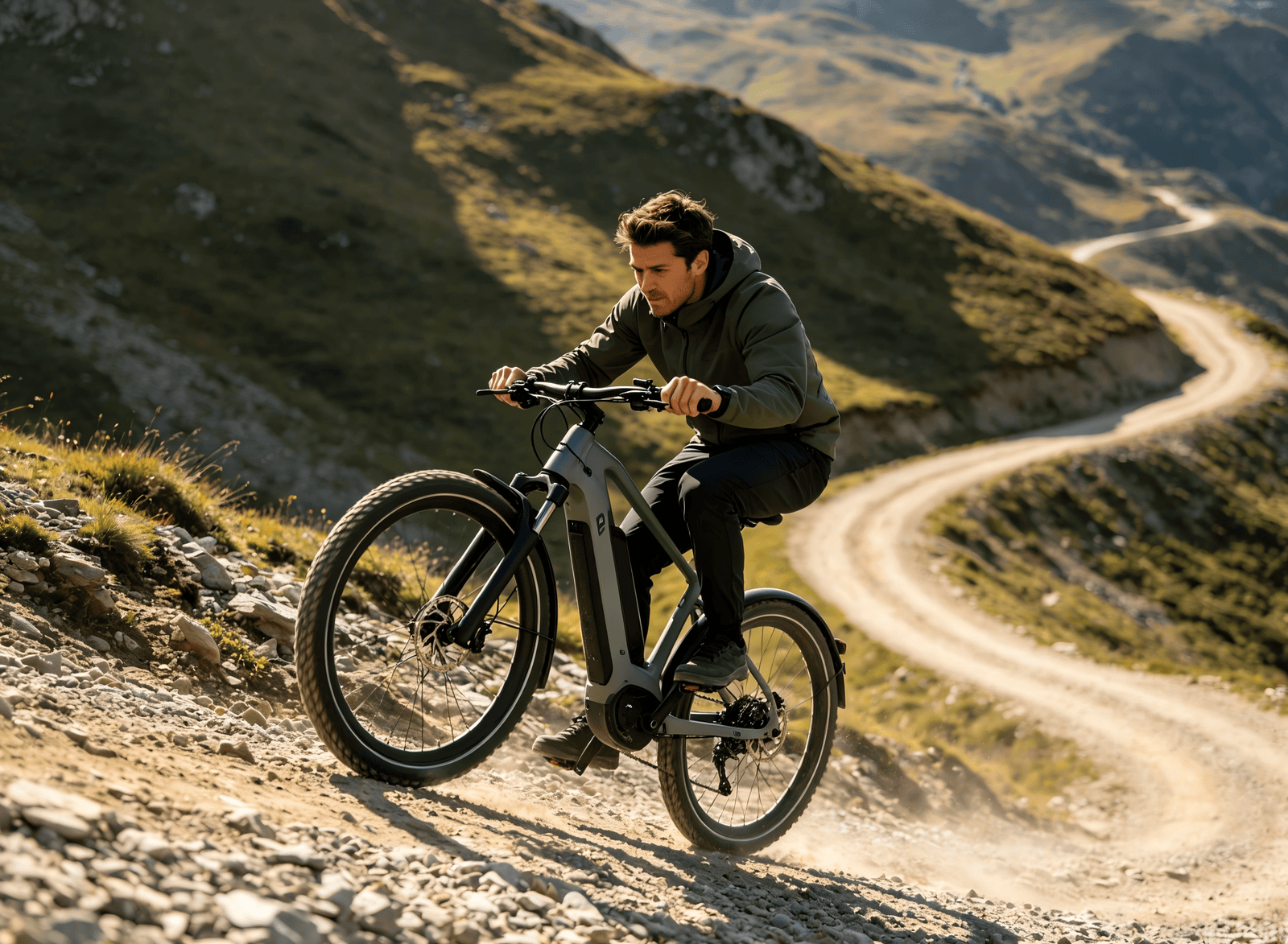
第1部:バッテリー容量が大きいからといって、必ずしも登坂性能が向上するとは限らない
リチウム電池を選ぶ際、多くのお客様は主に以下の点に注目しています:
- 電圧 (V)
- 容量 (Ah)
- 走行可能距離
例えば、こうだ:
48V 20Ahのバッテリーは、48V 10Ahのバッテリーよりも容量が大きい。.
しかし、登攀能力は主に以下の要素に左右されます:
- 最大連続放電電流
- ピーク放電電流
- セルの放電率
- BMSの電流制限設定
簡単に言えば:
Ahはバッテリーの駆動時間を決定し、アンペアはバッテリーが供給できる電力量を決定します。.
大容量であっても放電能力が不十分なバッテリーは、高負荷時に電圧低下や性能の低下が生じる可能性があります。.
パート 2. 登坂中にバッテリー電圧が低下するのはなぜですか?
坂道を登る際、モーターにはより大きなトルクが必要となり、消費電流も大幅に増加します。.
例えば、こうだ:
通常の走行:
- モーター電流:10A~15A
ヒルクライム:
- 現在の電流は、30A、40A、あるいはそれ以上に増加する可能性があります
大電流放電中、バッテリーには次のような現象が生じます:
電圧降下
電池セルの内部抵抗が高い場合:
- より高い電流出力
- 電圧降下の増大
電圧がBMSの保護閾値を下回った場合:
- BMSは出力を遮断する場合があります
- その機器が突然動作しなくなった
これが、一部のユーザーに次のような現象が発生する理由です:
“「容量がまだ50%と表示されているのに、なぜバッテリーが切れてしまうのですか?」”
パート 3. バッテリーセルが高負荷時の性能を左右する
リチウム電池パックは、複数の電池セルで構成されています。.
細胞の種類によって、その性能特性は異なります。.
標準セル:
✅ 日常的な使用に適しています
❌ 大電流出力能力に制限がある
❌ 高負荷時に電圧降下が生じやすい
高レートセル:
✅ より大きな放電電流に対応
✅ 負荷の変化に対してより迅速な応答を実現する
✅ 高い電力需要を伴う用途に適しています
次のような用途には:
- Eバイク
- 電動バイク
- AGVロボット
- 産業機器
単にバッテリー容量を増やすことよりも、適切なセル選びの方が重要です。.
パート 4. BMSは登坂中にどのようにしてパワーロスを引き起こすのか?
BMS(バッテリー管理システム)は、単にバッテリーを保護するだけではありません。バッテリーが安全に供給できる電力量も制御します。.
BMSは以下を管理します:
- 過充電保護
- 過放電保護
- 過電流保護
- 温度保護
- セルバランシング
BMSの電流制限値が低すぎる場合:
例
モーターの仕様:
40A
BMSの制限:
30A
システムが過電流を検知し、保護機能が作動する場合があります。.
したがって、高性能なバッテリーシステムを実現するには、以下の要素間の適切なマッチングが必要となります:
- バッテリーセル
- モーター
- コントローラー
- ビーエムエス
高度なアプリケーションでは、次のようなスマートな通信機能が必要となる場合もあります:
- CAN
- UART
- RS485
パート 5. 温度もヒルクライム性能に影響を与える
温度はリチウム電池の性能に大きな影響を及ぼします。.
寒冷な環境では:
- 電池内の化学反応が遅くなる
- 利用可能な容量が減少します
- 出力電力が低下する
- 電圧の低下が速い
これは特に、以下の場合に重要です:
- アウトドア用品
- コールドストレージ環境
- 高緯度地域
解決策としては、次のようなものが考えられます:
- 低温用電池セル
- 暖房システム
- 温度制御型BMS
AGV、ロボット、屋外用機器などのアプリケーションでは、実際の稼働条件に基づいたバッテリー設計が求められます。.
パート 6. リチウム電池のヒルクライミング性能を向上させるには?
登攀中に機器の電力が低下する場合は、以下の点を最適化することを検討してください:
✅ 高レート対応の電池セルを選ぶ
高レートセルは、以下の点を改善します:
- 最大出力能力
- 負荷応答
- 電力の安定性
✅ 連続排出能力の向上
バッテリーは、以下の基準に基づいてモーターに適合させる必要があります:
- 電圧
- 定員
- 連続放電電流
✅ BMSの設計を最適化する
適切に構成されたBMSは、以下の間の互換性を確保します:
- バッテリーパック
- モーター出力
- コントローラの要件
- 動作条件
✅ カスタムリチウム電池ソリューションを選ぶ
用途によって、必要なバッテリーの設計は異なります:
| 申し込み | 主な要件 |
| Eバイク | 高い吐出量 + 軽量設計 |
| ゴルフカート | 大容量+長寿命 |
| AGV | 高出力+安定性 |
| 産業用ロボット | スマートなコミュニケーション+安全性 |
| 舶用機器 | 防水設計+長持ち |
Yizhan Electronics:高負荷用途向けのカスタムリチウム電池ソリューション
リチウム電池パックの専門メーカーである東莞易展電子技術有限公司は、以下の分野に注力しています:
- カスタムリチウムイオンバッテリーパック
- LiFePO4バッテリーソリューション
- 動力用バッテリーシステム
- OEM/ODMバッテリー製造
我々は提供する:
- 電圧のカスタマイズ
- 容量のカスタマイズ
- BMS開発
- 構造設計
- 試作開発と量産
電動自転車やゴルフカートからAGV、インテリジェントロボットに至るまで、Yizhan Electronicsは実際の用途要件に基づいてバッテリーソリューションを設計し、高負荷条件下でも安定した電力出力を確保しています。.
登坂時の出力低下、稼働時間の短さ、あるいは不安定な動作にお悩みではありませんか? お問い合わせ お客様の用途に最適なリチウム電池ソリューションを見つけるために。.
よくあるご質問
1. なぜ坂道を登るとリチウム電池の電力が低下するのですか?
上り坂を走行する際、モーターへの電流需要が増加するため、リチウム電池の電力が低下する可能性があります。電池セル、BMS、または放電能力が増加した負荷に対応できない場合、電池電圧が急激に低下し、保護機能が作動する可能性があります。.
主な原因としては、次のようなものが挙げられます:
放電電流が不足している
電池セルの内部抵抗が高い
BMSの電流設定が不適切
低温動作
バッテリーの経年劣化
2. Ah数の大きいリチウムイオン電池は、登坂性能が向上しますか?
必ずしもそうとは限りません。.
バッテリーの容量(Ah)は、主にバッテリーが蓄えられるエネルギー量と、デバイスが動作できる時間を決定します。.
ヒルクライムのパフォーマンスは、主に以下の要素に左右されます:
連続放電電流
最大吐出能力
電池セルの品質
BMSの設定
放電率が低い大容量バッテリーであっても、高負荷時には性能が低下する可能性があります。.
3. 坂道を登る際、リチウム電池には何アンペアの電流が必要ですか?
必要な電流は、用途、モーター出力、車両重量、勾配角度、および運転条件によって異なります。.
例えば、こうだ:
電動自転車の用途では、20A~40Aの連続放電が必要となる場合があります。
ゴルフカートは、積載量が多い場合、より大きな電流出力を必要とする場合があります
AGVや産業用ロボットには、稼働サイクルに応じたカスタマイズされた排出性能が求められます
専門のバッテリーメーカーであれば、実際の用途に基づいて必要な放電能力を算出することができます。.
4. BMSによって、登坂中にリチウム電池が停止してしまうことはありますか?
そうだ。.
BMSは、バッテリーを危険な状態から保護します。上り坂を走行中、モーターが突然大電流を必要とする場合があります。.
電流がBMSの保護限界値を超えた場合、BMSは過電流保護を作動させ、出力を一時的に遮断することがあります。.
適切に設計されたBMSは、以下の要件を満たすべきです:
電池セルの性能
モーター出力
コントローラの仕様
応募要件
 English
  Chinese
  Japanese
  German
  French
  Korean
