
현대식 창고는 효율성을 높이고, 운영 비용을 절감하며, 24시간 운영을 지원해야 한다는 압박을 점점 더 많이 받고 있습니다. 자동화, 전자상거래, 자재 취급 수요가 지속적으로 증가함에 따라 기존 납축전지의 한계가 더욱 뚜렷해지고 있습니다.
이러한 과제를 해결하기 위해 점점 더 많은 창고 운영업체들이 리튬 배터리 기술로 전환하고 있습니다. 지게차와 팔레트 트럭부터 AGV와 AMR에 이르기까지, 리튬 배터리는 현대 창고 운영에 있어 선호되는 동력 솔루션으로 빠르게 자리 잡고 있습니다.
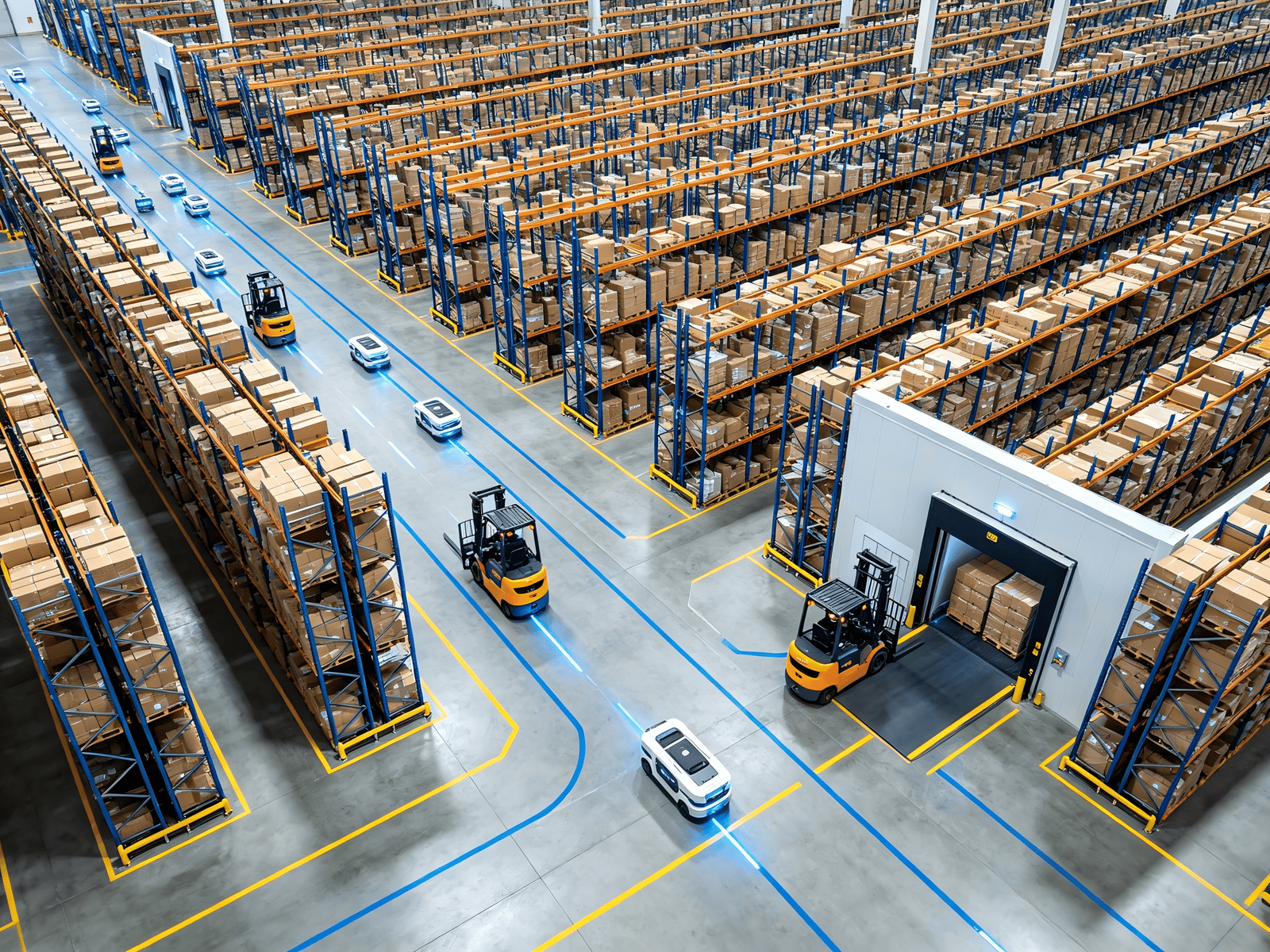
현대 창고에 대한 요구 사항의 증가
오늘날의 물류창고는 치열한 경쟁 환경 속에서 운영되고 있으며, 가동 중단이 발생하는 매 분마다 생산성과 수익성에 영향을 미칩니다.
일반적인 과제에는 다음이 포함됩니다:
- 장비의 지속적인 가동 상태가 필요한 다교대 운영
- 인건비 및 유지보수 비용의 상승
- 자동 유도 차량(AGV)의 사용 증가
- 직장 안전에 대한 관심이 높아지고 있다
- 지속 가능성 및 탄소 감축 목표
기존의 납산 배터리는 충전 시간이 길고, 정기적인 유지보수가 필요하며, 성능이 저하되는 문제로 인해 이러한 요구 사항을 충족하는 데 종종 어려움을 겪습니다.
리튬 배터리는 더 효율적이고 신뢰할 수 있는 대안을 제공합니다.
충전 속도 향상
리튬 배터리의 가장 큰 장점 중 하나는 빠른 충전 성능입니다.
납산 배터리는 일반적으로 필요합니다:
- 8~10시간 충전
- 6~8시간의 냉각 시간
- 전용 배터리 교체실
반면, 리튬 배터리는 종종 다음과 같은 수준에 도달할 수 있습니다:
- 80%는 약 1~2시간 만에 충전됩니다.
- 휴식 시간 중 간헐적 충전
- 냉각 기간이 필요하지 않습니다
이를 통해 장비 가동 중단 시간을 대폭 줄이고 차량 가동률을 높일 수 있습니다.
교대 근무를 운영하는 창고의 경우, 점심 시간이나 교대 시간에 장비를 충전할 수 있다면 예비 배터리 재고를 확보할 필요가 없어집니다.
유지보수 없는 운영
납축 전지는 다음과 같은 정기적인 유지보수가 필요합니다:
- 물 리필
- 이퀄라이제이션 충전
- 터미널 청소
- 부식 검사
이러한 작업을 수행하지 않으면 배터리 수명이 단축되고 성능이 저하될 수 있습니다.
리튬 배터리는 사실상 유지보수가 필요 없습니다.
다음과 같은 혜택이 있습니다:
- 급수 없음
- 산 유출 없음
- 부식 문제 없음
- 인건비 절감
- 간소화된 차량 관리
창고 관리자들은 배터리 유지보수 대신 운영 업무에 집중할 수 있습니다.
창고 차량 운영 효율성 향상
에너지 효율은 운영 비용에 직접적인 영향을 미칩니다.
납축 전지는 일반적으로 약 70–80%의 에너지 효율로 작동합니다.
리튬 배터리는 95%를 초과하는 효율을 달성할 수 있다.
즉,
- 전력 소비 감소
- 에너지 낭비 감소
- 더 빠른 충전 주기
- 총 운영 비용 절감
배터리 수명 기간 동안 이러한 에너지 절감 효과는 특히 대규모 창고 차량의 경우 상당한 수준에 이를 수 있습니다.
수명 연장
배터리 교체는 창고 운영에 있어 가장 큰 장기 비용 중 하나입니다.
일반적인 수명:
| 배터리 유형 | 주기 수명 |
| 납축전지 | 500~1,500회 |
| LiFePO4 배터리 | 3,000~6,000회 이상 |
인산철리튬(LiFePO4) 배터리는 기존의 납산 배터리보다 수명이 몇 배나 더 길 수 있습니다.
이로 인해 다음이 줄어듭니다:
- 교체 주기
- 유지 관리 비용
- 장비 가동 중단 시간
- 총 소유 비용
창고 안전성 향상
안전은 창고 운영자에게 있어 가장 중요한 고려 사항 중 하나입니다.
납축 전지는 다음과 같은 여러 가지 위험 요소를 내포하고 있습니다:
- 산 누출
- 충전 중 수소 가스 발생
- 부식
- 배터리를 수작업으로 무겁게 다루는 작업
리튬 배터리는 이러한 우려 사항 중 상당수를 해소해 줍니다.
최신 리튬 배터리 팩에는 다음과 같은 기능을 제공하는 지능형 배터리 관리 시스템(BMS)이 탑재되어 있습니다:
- 과충전 방지
- 과방전 방지
- 단락 보호
- 온도 모니터링
- 셀 밸런싱
LiFePO4 화학 구조는 또한 현재 이용 가능한 리튬 배터리 기술 중 가장 안전한 기술 중 하나로 인정받고 있습니다.
자동화 창고에 이상적
자동화는 물류 창고 업계를 변화시키고 있다.
AGV, AMR, 자율 주행 지게차 및 로봇 시스템에는 다음을 지원할 수 있는 배터리가 필요합니다:
- 연속 운전
- 고속 충전
- 신뢰할 수 있는 의사소통
- 긴 주기 수명
리튬 배터리는 이러한 용도에 특히 적합합니다.
첨단 배터리 시스템은 다음을 통합할 수 있습니다:
- CAN 버스 통신
- RS485 통신
- 스마트 배터리 모니터링
- 원격 진단
- 차량 관리 시스템
이러한 기능들은 스마트 창고의 운영 효율성을 극대화하는 데 도움이 됩니다.
공간 요구 사항 감소
납산 배터리 시스템에는 대개 다음이 필요합니다:
- 전용 충전실
- 환기 시스템
- 배터리 교체소
- 예비 배터리 보관
리튬 배터리는 이러한 인프라 요구 사항 중 상당 부분을 해소해 줍니다.
창고는 다음과 같은 용도로 귀중한 바닥 공간을 확보할 수 있습니다:
- 추가 재고 보관
- 생산 지역
- 장비 자동 배치
이를 통해 시설 배치가 더욱 효율적으로 이루어집니다.
지속가능성 목표 지원
많은 기업들이 ESG 및 지속가능성 관련 이니셔티브를 추진하고 있습니다.
리튬 배터리는 다음과 같은 장점을 통해 이러한 목표 달성에 기여합니다:
- 더 높은 에너지 효율성
- 더 길어진 서비스 수명
- 폐기물 발생량 감소
- 수명 주기 전반에 걸쳐 탄소 배출량을 줄임
- 자원 활용도 향상
환경 규제가 지속적으로 강화됨에 따라 물류 및 창고 업계 전반에서 리튬 배터리 도입이 가속화될 것으로 예상됩니다.
창고 전력 공급의 미래
업계 동향을 보면, 물류 장비 분야에서 리튬 배터리 기술의 시장 점유율이 계속해서 확대될 것으로 보입니다.
배터리 비용이 낮아지고 성능이 향상됨에 따라, 점점 더 많은 창고 운영업체들이 리튬 전동 차량의 장기적인 이점을 인식하고 있습니다.
주요 적용 분야는 다음과 같습니다:
- 전동 지게차
- 리치 트럭
- 팔레트 잭
- 견인 트랙터
- AGV
- AMR
- 자동화 창고 로봇
리튬 배터리는 더 이상 고급 사양으로만 여겨지지 않습니다. 리튬 배터리는 현대식 창고 운영의 표준 전원 솔루션으로 자리 잡고 있습니다.
결론
현대식 창고는 경쟁력을 유지하기 위해 신뢰할 수 있고 효율적이며 비용 효율적인 전력 솔루션이 필요합니다. 리튬 배터리는 더 빠른 충전 속도, 더 긴 수명, 더 높은 효율, 유지보수 부담 감소, 향상된 안전성 등을 제공함으로써 기존 납산 배터리의 여러 한계를 해소합니다.
창고 자동화와 운영 수요가 지속적으로 증가함에 따라, 생산성 향상과 총 소유 비용 절감을 추구하는 기업들 사이에서 리튬 배터리가 선호되는 선택지로 자리 잡고 있습니다.
향후 차량 교체를 계획 중인 창고 운영업체들에게 리튬 배터리 기술에 대한 투자는 단순한 장비 업그레이드를 넘어 점점 더 전략적인 결정으로 자리 잡고 있다.
자주 묻는 질문
창고에서는 왜 납산 배터리를 리튬 배터리로 교체하고 있을까요?
창고에서는 납산 배터리에 비해 충전 속도가 빠르고, 수명이 길며, 유지보수 부담이 적고, 에너지 효율이 높으며, 가동 시간이 더 길다는 장점 때문에 리튬 배터리로 전환하고 있습니다.
리튬은 얼마나 오래 가나요? 지게차 배터리 마지막?
대부분의 LiFePO4 지게차 배터리는 3,000~6,000회 이상의 충전 주기를 제공하며, 이는 기존의 납산 배터리보다 훨씬 더 긴 수명입니다.
리튬 배터리가 창고 용도로 더 안전한가요?
네. 최신 리튬 배터리에는 첨단 배터리 관리 시스템(BMS)과 LiFePO4 화학 성분이 적용되어 있어, 안전성과 열적 안정성이 향상되었을 뿐만 아니라 과충전 및 단락으로부터의 보호 기능도 갖추고 있습니다.
리튬 배터리를 AGV와 창고용 로봇에 사용할 수 있나요?
물론입니다. 리튬 배터리는 빠른 충전 성능, 긴 수명, 스마트 통신 기능 덕분에 AGV, AMR, 창고용 로봇 및 자동화 자재 취급 장비에 널리 사용되고 있습니다.
리튬 배터리가 창고 운영 비용을 절감해 주나요?
네. 초기 투자 비용은 더 높을 수 있지만, 리튬 배터리는 일반적으로 유지보수 비용 절감, 에너지 소비 감소, 수명 연장, 장비 생산성 향상 등을 통해 총 소유 비용을 낮춰줍니다.
 English
  Chinese
  Japanese
  German
  French
  Korean
