
Lithium batteries have become an important power source for electric vehicles, industrial equipment, robotics, medical devices, marine applications, and energy storage systems.
For many equipment manufacturers, developing a suitable battery pack requires more than selecting battery cells. A complete battery solution involves electrical design, battery management system (BMS) development, mechanical integration, safety testing, and production management.
Working with an experienced lithium battery OEM manufacturer allows companies to develop battery packs that match their equipment requirements and product specifications.
This article explains how lithium battery manufacturers support OEM product development from initial requirements to mass production.
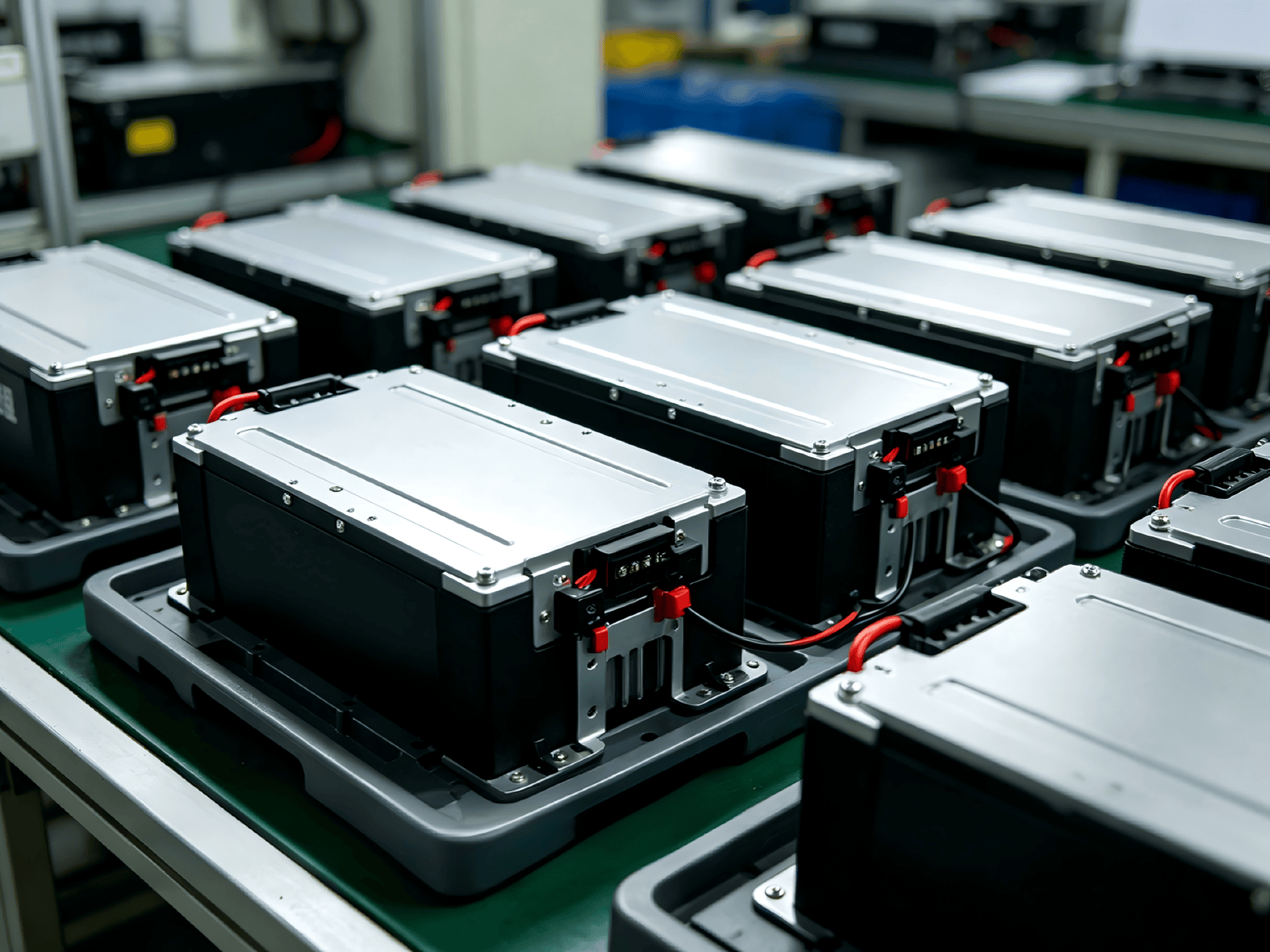
1. Understanding Customer Application Requirements
The first step in OEM battery development is understanding the customer’s product requirements.
Before designing a battery pack, manufacturers usually collect information including:
- Equipment type
- 운영 환경
- 전압 사양
- 용량 요구 사항
- Maximum discharge current
- 충전 요건
- 설치 공간
- 통신 요구 사항
- 안전 인증
Different applications have different battery requirements.
예를 들어
Electric Mobility Applications
E-bike, electric scooter, and electric motorcycle batteries usually require:
- Suitable energy capacity
- 컴팩트한 디자인
- 방수 보호
- Battery safety certification
Industrial Applications
AGV, AMR, forklift, and automation equipment batteries often require:
- 안정적인 출력
- 긴 주기 수명
- 통신 기능
- Continuous operation capability
Medical Equipment Applications
Medical devices usually require:
- Reliable operation
- 안전 보호
- Customized mechanical design
Understanding the application helps manufacturers develop a suitable battery solution.
2. Battery System Design and Engineering Support
A lithium battery pack consists of multiple components working together.
A professional OEM battery manufacturer can provide engineering support including:
- 배터리 사양 설계
- Electrical system design
- 셀 구성
- BMS 선정
- 구조 설계
- 커넥터 선정
- Thermal management design
The battery design process needs to balance:
- 전압
- 용량
- Current output
- 크기
- 무게
- 안전 요건
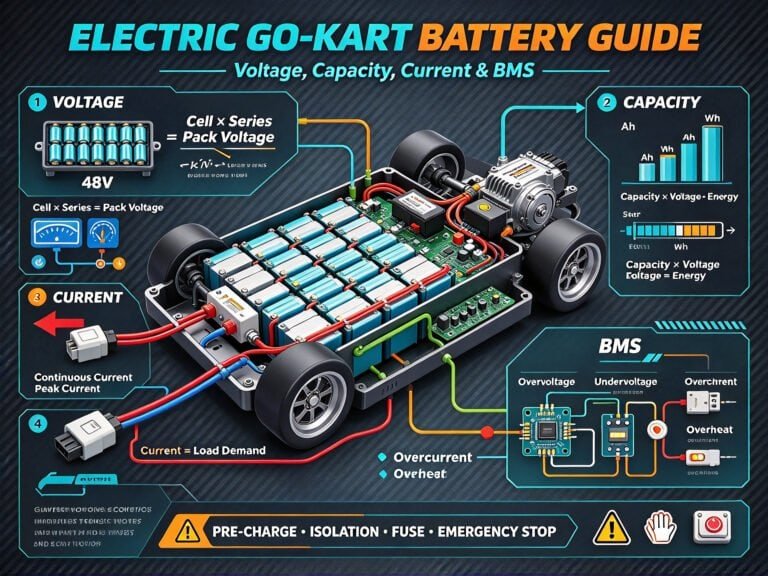
For example, a 48V battery pack may require different cell configurations depending on capacity and discharge requirements.
3. Battery Cell Selection and Matching
Battery cells are the core components of a lithium battery pack.
OEM manufacturers help customers select suitable cells based on application requirements.
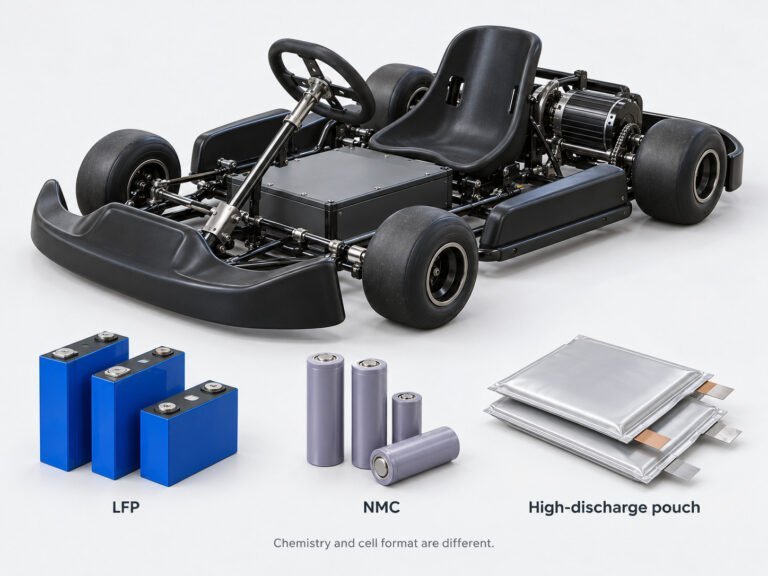
Common battery cell options include:
Cylindrical Lithium Cells
예시:
- 18650 셀
- 21700 셀
장점:
- 유연한 구성
- Suitable for various battery pack designs
애플리케이션:
- 전동 자전거
- 전력 설비
- 산업용 기기
LiFePO4 Cells
장점:
- Stable chemical characteristics
- 긴 주기 수명
애플리케이션:
- AGV
- 에너지 저장
- 선박용 배터리
파우치 셀
장점:
- Flexible shape design
애플리케이션:
- 휴대용 기기
- Space-limited equipment
Cell selection depends on:
- Energy requirements
- 방전율
- 운영 환경
- Product lifetime requirements
4. Custom BMS Development and Integration
The Battery Management System (BMS) is an important part of a customized lithium battery pack.
OEM battery manufacturers help design BMS functions according to equipment requirements.
Common BMS functions include:
- 과충전 방지
- 과방전 방지
- 과전류 보호
- 단락 보호
- 온도 모니터링
- Cell voltage balancing
For smart equipment, battery packs may require communication functions:
- CAN 버스
- RS485
- UART
- Modbus
For example, AGV and AMR manufacturers often require battery data communication with the equipment control system.
5. Prototype Development and Testing
Before mass production, OEM battery manufacturers usually provide prototype development services.
The prototype stage includes:
Battery Sample Production
Manufacturers assemble initial samples according to design specifications.
성능 테스트
Testing may include:
- Charging test
- Discharging test
- Capacity test
- 온도 시험
- Protection function test
Product Verification
The battery pack is tested with the customer’s equipment to confirm:
- Installation compatibility
- Operating performance
- 통신 기능
Prototype validation helps identify potential design improvements before mass production.
6. Mechanical Design and Product Integration
Battery pack design is not only about electrical performance.
The physical structure must match the equipment.
OEM manufacturers support:
- 배터리 케이스 설계
- 장착 구조
- 방수 설계
- Cable arrangement
- Connector integration
Common enclosure options include:
- Plastic housing
- Aluminum alloy housing
- Metal enclosure
For outdoor applications, manufacturers may design battery packs with protection levels such as IP65, IP67, or IP68.
7. Certification and Compliance Support
Lithium battery products need to meet transportation and market requirements.
OEM battery manufacturers can assist customers with certification preparation.
일반적인 인증은 다음과 같습니다:
Transportation Requirements
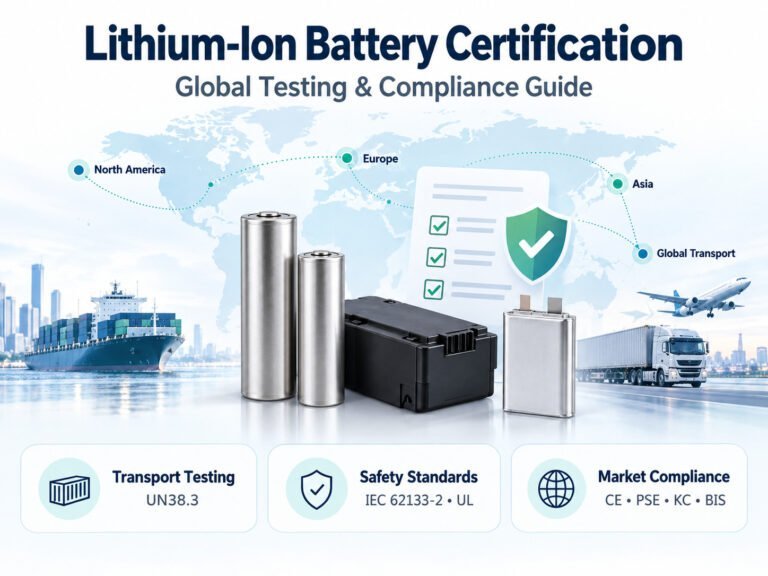
- UN38.3
- MSDS
International Safety Standards
- IEC 62133-2
- CE
- RoHS
Light Electric Vehicle Applications
- UL2271
Certification requirements should be considered during product development rather than after production.
8. Quality Control During Manufacturing
A reliable OEM battery manufacturer needs a complete quality management process.
Typical quality control includes:
Cell Inspection
Checking:
- 전압 일관성
- 내부 저항
- Cell condition
Battery Assembly Inspection
포함:
- 용접 품질
- 배선 검사
- BMS connection testing
노화 시험
Battery packs are tested through charging and discharging cycles to verify performance.
최종 검사
Before shipment, manufacturers check:
- Electrical performance
- 모양
- 보호 기능
- Packaging requirements
Quality control helps maintain consistency during mass production.
9. Supporting Mass Production and Supply Management
After prototype approval, OEM manufacturers support customers with mass production.
Services may include:
- Production planning
- Material preparation
- Assembly process management
- Quality inspection
- Delivery coordination
For companies launching new products, stable production support helps maintain supply continuity.
10. Advantages of Working With a Lithium Battery OEM Manufacturer
Partnering with an OEM battery manufacturer can help companies:
Reduce Product Development Complexity
Battery development involves multiple technologies, including cells, electronics, structures, and testing.
Improve Product Compatibility
Customized battery solutions can be designed according to equipment requirements.
Support Product Certification
Manufacturers with certification experience can help prepare battery products for different markets.
Simplify Supply Chain Management
A complete battery supplier can integrate cell sourcing, assembly, testing, and delivery.
결론
Lithium battery manufacturers play an important role in OEM product development. Their support goes beyond battery assembly and includes application analysis, battery design, cell selection, BMS integration, prototype testing, certification support, and mass production.
For equipment manufacturers developing new products, choosing an experienced lithium battery OEM partner can help create battery packs that meet technical requirements and market standards.
A complete OEM battery development process connects product design, engineering, manufacturing, and quality control to support different applications, including electric mobility, industrial automation, robotics, medical equipment, and energy storage systems.
자주 묻는 질문
What does a lithium battery OEM manufacturer do?
A lithium battery OEM manufacturer designs and produces customized battery packs according to customer requirements, including cell selection, BMS integration, structural design, testing, and production.
Can lithium battery manufacturers customize voltage and capacity?
Yes. OEM battery manufacturers can customize battery voltage, capacity, size, connectors, BMS functions, and communication protocols according to application requirements.
How long does OEM battery development take?
The development timeline depends on battery complexity, testing requirements, certification needs, and production quantity.
What industries need custom lithium battery solutions?
Custom lithium battery packs are commonly used in electric vehicles, industrial robots, AGV/AMR systems, medical devices, marine equipment, and energy storage applications.
 English
  Chinese
  Japanese
  German
  French
  Korean
