
LEV(軽量電気自動車)用バッテリー――電動自転車、電動キックボード、軽量モビリティシステムなどを含む――は、現在、世界的に最も規制の厳しいリチウム電池のカテゴリーの一つとなっている。.
2026年、コンプライアンスは次の3つの主要な要因によって推進されています:
- 安全性(火災および熱暴走の防止)
- 持続可能性(カーボンフットプリントとリサイクル)
- トレーサビリティ(デジタル製品IDおよび文書)
世界各国の規制当局は、もはやバッテリーそのものを検査するだけでなく、 ライフサイクル全体にわたるシステム.
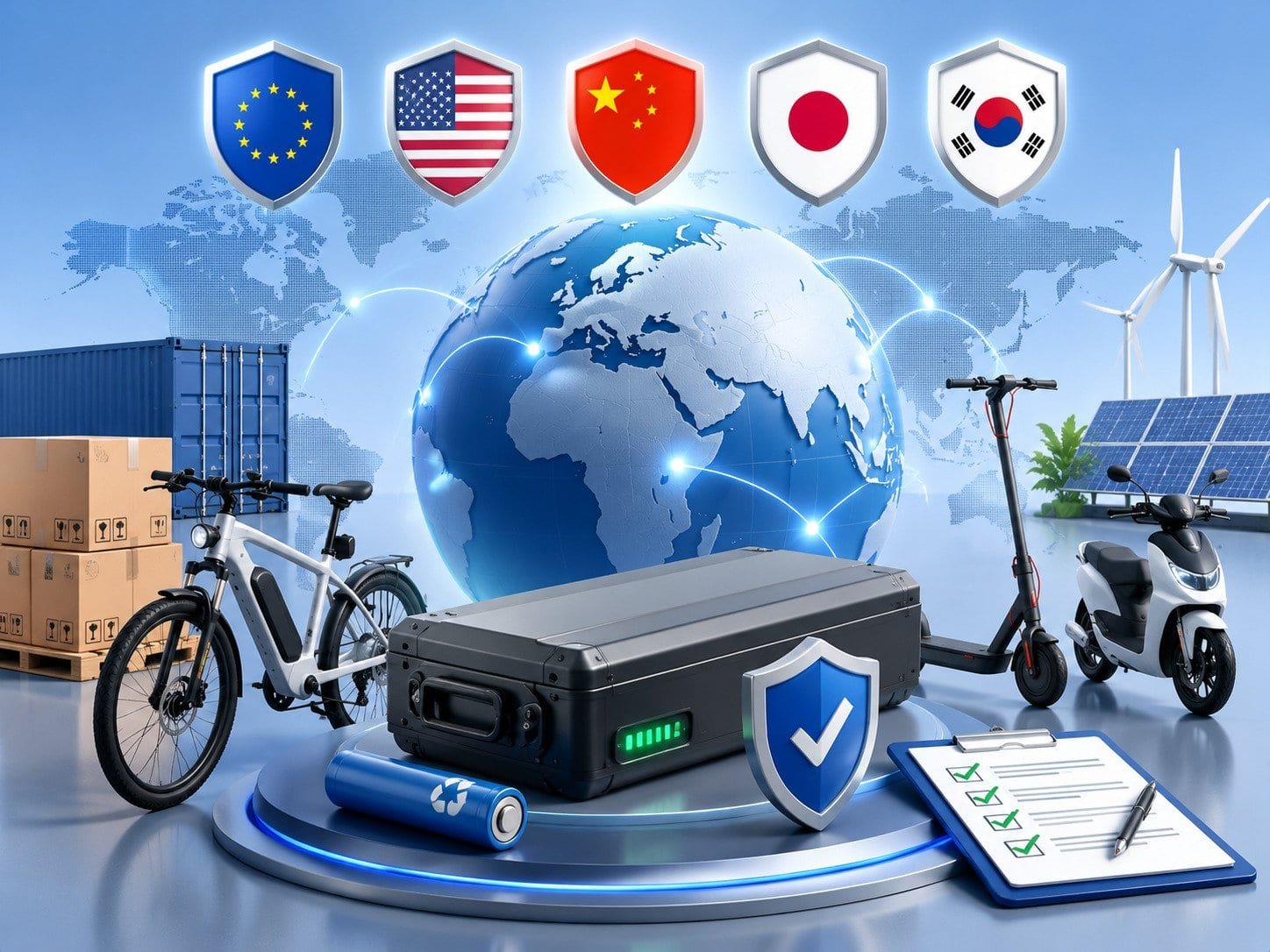
第1部:EUのLEV用バッテリー規制(世界で最も厳しい基準)
欧州連合(EU)は、以下の枠組みに基づき、最先端のLEV用バッテリーに関する枠組みを適用している。 EU電池規則(EU 2023/1542).
主要基準
- EN 50604-1(LEV用バッテリー安全規格)
- IEC 62133-2(携帯用リチウム電池の安全性)
- UN38.3(輸送安全要件)
主な要件
1. 安全認証
LEV用バッテリーは、以下の要件を満たさなければなりません:
- 機械的衝撃試験
- 電気安全性の検証
- 熱暴走防止試験
2. 炭素と持続可能性
- カーボンフットプリントの開示(段階的に義務化)
- 再生材料含有量の追跡
- ライフサイクルに基づく環境報告
3. デジタル・バッテリー・パスポート(2027年以降)
各バッテリーには、以下のものが含まれていなければなりません:
- QRコードによる識別
- 材料組成データ
- サプライチェーンのトレーサビリティ
- リサイクル・解体に関する情報
EUの概要
👉 EUでは以下が義務付けられています 単なる製品安全にとどまらない、ライフサイクル全体にわたるデジタルコンプライアンス
第2部:米国のLEVバッテリー規制(安全性と輸送に焦点を当てて)
米国は特に 火災安全リスクの管理および輸送に関するコンプライアンス.
主要基準
- UL 2271(LEV用バッテリーパックの安全規格)
- UL 2849(電動自転車システムレベルの認証)
- UL 2054(バッテリーパックの一般的な安全性)
- UN38.3(輸送要件)
📌 主な要件
🚚 1. 輸送に関するコンプライアンス
- すべての貨物について、UN38.3の記載が必須です
- 航空会社の厳しいSOC制限(通常は≤30%)
- 危険物の分類が必要
2. 安全認証
- UL 2271は、バッテリーパックの安全性を評価する規格です
- UL 2849は、電動自転車のシステム全体(バッテリー+モーター+充電器)の安全性を評価するものです。
米国概要
👉 米国は優先している 防火対策+輸送リスク管理
第3部:日本のLEV用バッテリー規制(安全性を最優先とする市場)
日本は、世界でも最も保守的なLEV市場の一つである。.
主要基準
- PSE認証(必須)
- IEC 62133-2(一般的に参照される)
- 厳格な内部安全検証
主な要件
- 細胞の一貫性に対する高い要件
- 防火対策に対する厳しい期待
- 厳格な品質管理システム
日本概要
👉 日本 = リスク許容度がゼロの市場
第4部:韓国のLEV用バッテリー規制(電気安全に焦点を当てて)
韓国は、以下の規定に基づき、厳格な順守を徹底している。 KC認証.
主な要件
- KC認証の取得が義務付けられています
- 熱安定性試験
- 過充電/短絡保護機能の検証
重点分野
- 電気的安全性と信頼性
- 熱暴走防止
- BMSの保護性能
韓国概要
👉 韓国は優先している 電気的安全性+熱的安定性
世界的なLEV規制遵守状況の概要(2026年の動向)
すべての主要市場において、LEV用バッテリーに関する規制は、以下の3つの世界的な柱へと収束しつつあります。
安全第一
- UL/EN/IEC規格が世界の認証市場を席巻している
トレーサビリティシステム
- QRコードとデジタル製品識別システム
持続可能性に関する要件
- カーボンフットプリントとリサイクルの責任
最終的な考察
2026年のLEV用バッテリー業界は、もはや単なるハードウェアビジネスではなくなっている。.
次第にこうなってきています:
⚡ 認定を受けた安全システム業界
🌱 サステナビリティの観点から規制された製品エコシステム
LEV用バッテリーの輸出コンプライアンスについてサポートが必要ですか?
EU、米国、中国、日本、韓国におけるLEV用バッテリーの規制を把握するのは、特に認証や安全要件が絶えず変化していることを考えると、複雑な作業となり得ます。.
これらの市場向けにLEV用バッテリーシステム(電動自転車、電動スクーター、または軽量モビリティ用バッテリー)の開発や輸出をご検討中の場合、弊社では以下のサポートを提供いたします:
🔋 規制対応済みのバッテリーパックソリューション
📄 認証に関するガイダンス(UN38.3、UL 2271、EN 50604-1、KC、PSE)
🌍 輸出関連書類のサポート
⚙️ OEM/ODMによるLEV用バッテリーのカスタマイズ開発
👉 LEV用バッテリーを欧州、米国、中国、日本、または韓国へ輸出される場合は、技術サポートやソリューションに関するご相談など、お気軽にお問い合わせください。.
当社は、お客様が安全で規制に準拠し、市場投入可能なバッテリーシステムを構築し、世界中で展開できるよう、全面的にサポートいたします。.
 English
  Chinese
  Japanese
  German
  French
  Korean
