Why Lithium Batteries Are Transforming AGV & AMR Performance in 2026

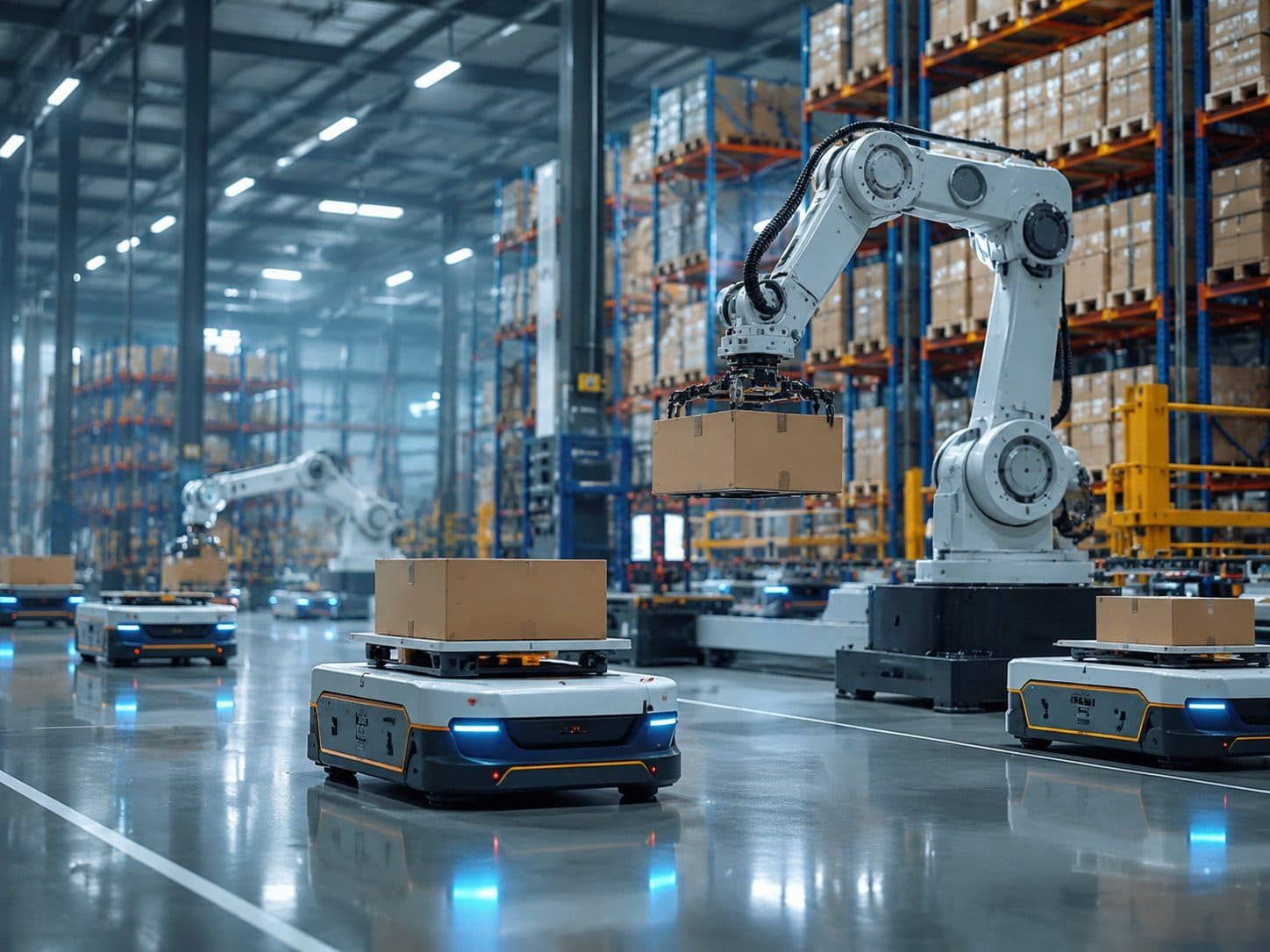
As warehouses and smart factories shift toward full automation, AGVs (Automated Guided Vehicles) and AMRs (Autonomous Mobile Robots) have become the backbone of internal logistics.

But there is one core component that determines how efficient, stable, and intelligent these robots can be:

👉 The battery system

Compared with traditional lead-acid batteries, modern lithium battery systems—especially LiFePO₄ and high-performance lithium-ion packs—are fundamentally reshaping AGV and AMR capabilities.

AGV & AMR battery

Part 1. Longer Runtime and Higher Energy Density

Lithium batteries provide significantly higher energy density than traditional solutions.

Key benefits:

  • 30%–60% more runtime in the same footprint
  • Reduced battery size and weight
  • Fewer charging interruptions in multi-shift operations

For warehouses operating 24/7, this directly translates into:

  • Higher fleet utilization
  • Reduced downtime
  • Fewer spare robots required

👉 In practice, one battery upgrade can unlock an entire shift of additional productivity.

Part 2. Stronger Power Output for Acceleration and Load Handling

AGVs and AMRs constantly experience peak power demands during:

  • 加速
  • Turning
  • Ramp climbing
  • Heavy-load transport

High-quality lithium battery systems support:

  • High discharge rates (2C–5C or higher)
  • Stable voltage under load
  • Improved torque consistency for motors

結果

  • Faster response time
  • Smoother navigation
  • More reliable heavy-duty operation

Part 3. Smart BMS Enables Intelligent Robot Fleet Management

Modern lithium batteries are not just energy storage units—they are data nodes.

Advanced Battery Management Systems (BMS) provide:

  • Real-time SOC (State of Charge)
  • Voltage, temperature, and current monitoring
  • Fault detection and early warning
  • CAN / RS485 / Modbus communication support

Why this matters for AGV & AMR:

  • Fleet management systems can schedule tasks based on battery status
  • Prevent unexpected shutdowns
  • Enable predictive maintenance

👉 Battery intelligence becomes part of the robot’s “nervous system.”

Part 4. Opportunity Charging for Continuous Operation

One of the biggest advantages of lithium battery systems is fast and flexible charging behavior.

Unlike lead-acid batteries, lithium supports:

  • Fast charging (0.5C–1C or higher)
  • Partial charging without memory effect
  • Opportunity charging during idle time

Operational impact:

  • Robots charge between tasks instead of stopping operations
  • Reduced need for backup units
  • Higher system efficiency across the fleet

Part  5. Better Performance in Harsh Industrial Environments

AGVs and AMRs often operate in:

  • Cold storage warehouses
  • High-temperature factories
  • Mixed indoor/outdoor environments

Industrial-grade lithium batteries offer:

  • Wide temperature range (-20°C to 60°C or more)
  • Stable discharge performance
  • IP65–IP67 protection options

👉 This ensures consistent performance regardless of environment.

Part 6. Lightweight Design Improves Robot Agility

Lithium batteries can reduce weight by 30%–60% compared to lead-acid systems.

Benefits for AGV/AMR systems:

  • Lower inertia for faster turning
  • エネルギー消費の削減
  • Improved payload efficiency
  • Better navigation precision

👉 Less weight = more agility + longer endurance.

Part 7. Regenerative Braking Energy Recovery

Many AGVs and AMRs operate in stop-and-go cycles, making them ideal for regenerative energy systems.

Lithium batteries:

  • Accept high charging current efficiently
  • Recover braking energy
  • Reduce overall energy consumption

👉 Effectively turning braking into energy reuse.

Part  8. Custom Battery Design for Different Robot Architectures

Modern lithium battery systems can be fully customized to match robotic platforms:

  • Voltage options: 24V / 36V / 48V / 72V
  • Shape design: slim, modular, embedded
  • Communication protocols: CAN / RS485 / UART
  • Swappable battery systems for fast replacement

👉 Especially important for AMRs with compact chassis design constraints.

Part 9. Improved Safety and Reduced Downtime

Industrial logistics cannot tolerate unexpected shutdowns.

Lithium battery safety systems include:

  • Multi-layer BMS protection
  • セルバランシング
  • 過電流および短絡保護
  • Thermal runaway prevention mechanisms

結果

  • Reduced unplanned downtime
  • Improved fleet reliability
  • Lower maintenance cost

 Conclusion: Lithium Batteries Are the Core Upgrade for Smart Robotics

Lithium battery technology is no longer just a power source—it is a performance multiplier for AGV and AMR systems.

From endurance and power output to intelligence and safety, it enables robots to evolve from simple transport units into:

Smart, autonomous, high-efficiency logistics nodes

よくあるご質問

Q1: Why are lithium batteries better for AGVs than lead-acid batteries?

Lithium batteries provide higher energy density, faster charging, lighter weight, and longer cycle life, making them ideal for continuous industrial use.

Q2: What type of lithium battery is best for AGVs and AMRs?

LiFePO₄ batteries are widely preferred due to their thermal stability, long cycle life, and high safety performance.

Q3: Can AGV lithium batteries support fast charging?

Yes. Many industrial lithium battery systems support 0.5C–1C charging and opportunity charging for continuous operations.

Q4: Do lithium batteries improve robot intelligence?

Indirectly yes. With BMS communication (CAN/RS485), battery data integrates into fleet management systems for smarter scheduling and predictive maintenance.

Discover how lithium batteries improve AGV and AMR performance, including longer runtime, faster charging, higher efficiency, and smarter BMS integration for modern warehouse automation.
2026-06-26
+
A complete 2026 guide to LEV lithium battery regulations across EU, US, China, Japan, and South Korea. Learn certification standards like EN 50604-1, UL 2271, UN38.3, and KC/PSE requirements.
2026-06-25
+
Explore why modern warehouses are rapidly adopting lithium battery for forklifts, AGVs, and logistics equipment. Learn benefits, cost savings, safety improvements, and automation compatibility.
2026-06-24
+
This guide helps shipyards evaluate marine lithium battery manufacturers, covering UN38.3, IEC, UL certifications, battery cell quality, BMS systems, and marine application experience to ensure safe and reliable energy system selection.
2026-06-24
+