
Da die Anforderungen an die industrielle Reinigung stetig steigen, werden immer mehr Bodenreinigungsmaschinen wie Scheuersaugmaschinen, Kehrmaschinen und industrielle Bodenreiniger von herkömmlichen Blei-Säure-Batterien auf moderne Lithium-Batteriesysteme umgestellt.
Bei dieser Umstellung geht es nicht nur um einen Batteriewechsel – es handelt sich um eine umfassende Modernisierung des Energiesystems.
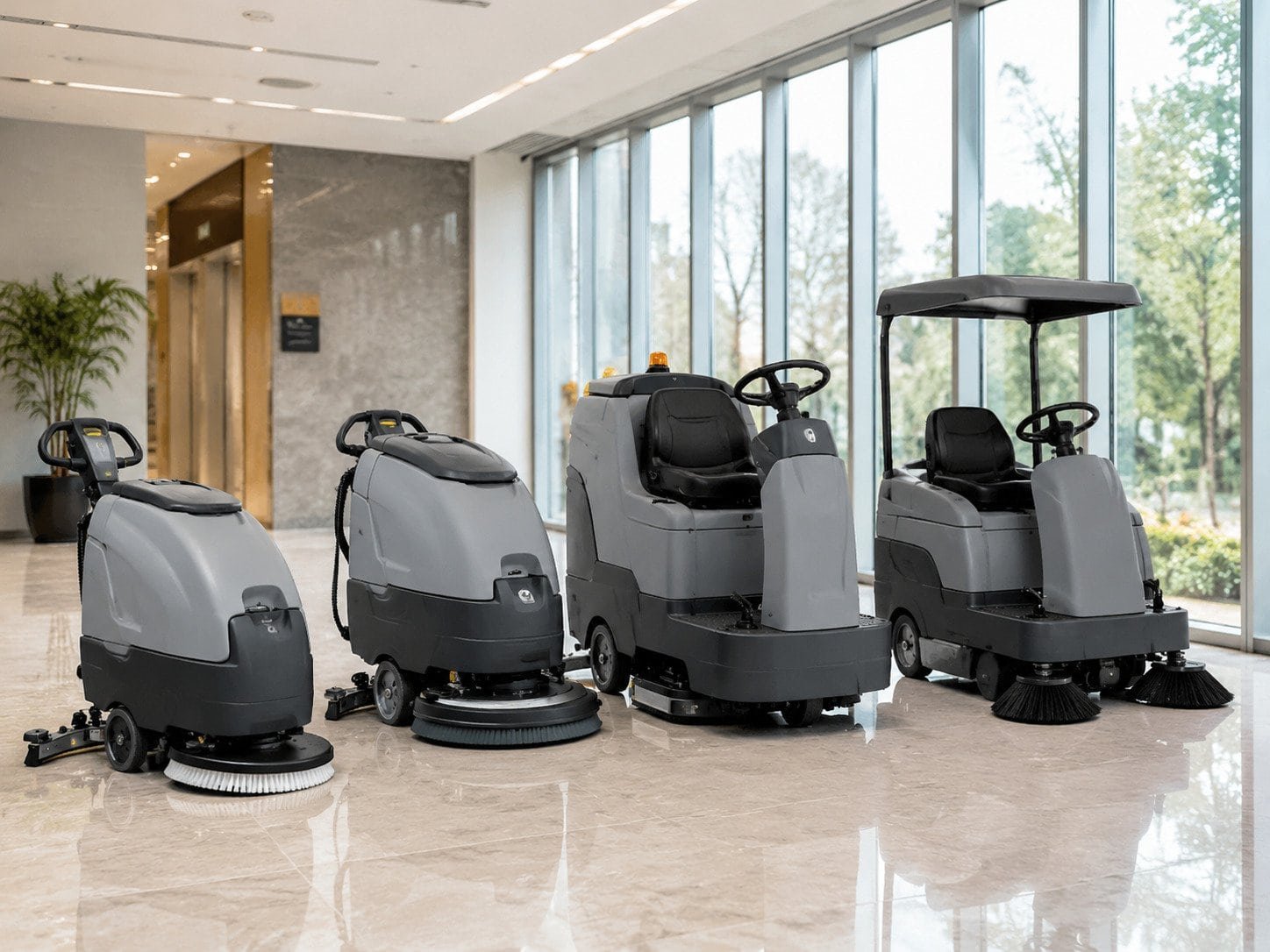
Teil 1: Warum die Bodenreinigungsbranche von Blei-Säure- auf Lithium-Batterien umstellt
Blei-Säure-Batterien werden seit Jahrzehnten in Reinigungsgeräten eingesetzt, doch ihre Einschränkungen treten bei modernen Anwendungen immer deutlicher zutage.
Wesentliche Einschränkungen von Blei-Säure-Batterien
- Kurze Lebensdauer (300-500 Zyklen)
- Lange Ladezeit (6–10 Stunden)
- Hohes Gewicht, wodurch die Manövrierfähigkeit der Maschine eingeschränkt wird
- Spannungsabfall während des Entladens, wodurch die Reinigungsleistung beeinträchtigt wird
- Hoher Wartungsaufwand (Wassernachfüllen, Auswuchten)
Vorteile von Lithium-Batterien (LiFePO4)
Lithium-Batteriesysteme bieten erhebliche Leistungssteigerungen:
- Lange Lebensdauer (2000–4000 Zyklen)
- Schnellladung (1–3 Stunden)
- Stabile Ausgangsspannung während der gesamten Entladung
- Gewichtsreduzierung bei 30%–60%
- Wartungsfreier Betrieb
- Integriertes intelligentes Batteriemanagementsystem (BMS)
Teil 2: Leistungsvergleich zwischen Blei-Säure- und Lithium-Batterien
| Merkmal | Blei-Säure-Batterie | Lithium-Batterie (LiFePO4) |
|---|---|---|
| Zyklus Leben | 300-500 Zyklen | 2000–4000 Zyklen |
| Aufladezeit | 6–10 Stunden | 1–3 Stunden |
| Gewicht | Schwer | Leichtgewicht |
| Energieeffizienz | ~70% | >95% |
| Wartung | Häufig | Minimal |
| Spannungsstabilität | Stürze während des Gebrauchs | Stabile Leistung |
👉 Fazit: Lithium-Batterien senken die Gesamtbetriebskosten (TCO) erheblich und verbessern gleichzeitig die betriebliche Effizienz.
Teil 3: Wichtige technische Aspekte bei der Aufrüstung auf Lithium-Batterien
1. Anpassung des Stromversorgungssystems (Spannung und Last)
Zu den gängigen Spannungssystemen bei Bodenreinigungsgeräten gehören:
- 24-V-Kompakt-Scheuersaugmaschinen
- 36-V-Maschinen mittlerer Größe
- 48-V-Industriekehrmaschinen
Die richtige Auslegung der Entladungsrate und der Kapazität ist für einen stabilen Betrieb von entscheidender Bedeutung.
2. Intelligentes Batteriemanagementsystem (BMS)
Ein hochwertiges Lithium-Batteriesystem muss über ein intelligentes BMS verfügen:
- Schutz vor Überladung
- Schutz vor Überentladung
- Überwachung der Temperatur
- Stromausgleich
- Kommunikationsprotokolle (CAN / RS485 / UART)
👉 Das BMS ist das Herzstück der Systemsicherheit und der Leistungsstabilität.
3. Strukturelle Integration
Die Umstellung von Blei-Säure- auf Lithium-Batterien erfordert häufig:
- Neugestaltung oder Anpassung des Batteriefachs
- Optimierung der Gewichtsverteilung
- Schwingungsdämpfende Befestigungskonstruktion
4. Modernisierung des Ladesystems
Blei-Säure-Ladegeräte sind nicht mit Lithium-Akkus kompatibel.
Empfohlene Lösungen:
- Spezielle Ladegeräte für Lithium-Akkus
- Unterstützung für Schnellladen
- Intelligente Lademanagementsysteme
Teil 4: Echte Vorteile nach dem Umstieg auf Lithium-Akkus
Nach der Umstellung auf Lithium-Batteriesysteme erzielen Bodenreinigungsgeräte in der Regel folgende Ergebnisse:
- 📈 20%–40%: längere Laufzeit pro Zyklus
- ⚡ 60%–80%: kürzere Ladezeit
- 💰 Senkung der Gesamtbetriebskosten um 30%–50% über einen Zeitraum von 3 Jahren
- 🧽 Gleichbleibende Reinigungsleistung ohne Leistungsabfall
- 🔧 Deutlich geringere Wartungskosten
Teil 5: Anwendungsszenarien für Lithium-Batterien in der Bodenreinigungsbranche
Lithium-Batteriesysteme finden breite Anwendung in:
- Gewerbliche Bodenreinigungsmaschinen
- Hygieneausrüstung für Krankenhäuser
- Reinigungsmaschinen für Flughäfen
- Lagerreinigungssysteme
- Industrielle Kehrfahrzeuge
Teil 6. Häufige Fehler bei Projekten zur Umstellung auf Batteriebetrieb
Nur den Akku austauschen, ohne das System zu aktualisieren
Ohne eine korrekte Abstimmung des Batteriemanagementsystems (BMS) können die Geräte falsche Ladezustände anzeigen oder sich unerwartet abschalten.
Missachtung der Entlassungsvorschriften
Bodenreinigungsmaschinen benötigen während des Betriebs einen hohen Spitzenstrom.
Verwendung von Blei-Säure-Ladegeräten für Lithium-Akkus
Dies kann die Lebensdauer des Akkus beeinträchtigen und Sicherheitsrisiken verursachen.
Teil 6. Empfohlener Modernisierungsweg für Bodenreinigungsgeräte
Schritt 1: Bewertung der Ausrüstung
- Spannungssystem (24 V / 36 V / 48 V)
- Anforderungen an die Arbeitszeit
- Spitzenlast
Schritt 2: Auslegung des Lithium-Batteriesystems
- Maßgeschneiderter LiFePO4-Akku
- Intelligente BMS-Integration
Schritt 3: Mechanische Integration
- Anpassung des Batteriefachs
- Optimierung des stoßfesten und thermischen Designs
Schritt 4: Aufrüstung des Ladesystems
- Spezielles Lithium-Ladegerät
- Strategie für das Schnellladen
Teil 7: Warum Lithium-Batterien die Zukunft der Bodenreinigungsgeräte sind
Die Branche entwickelt sich in eine klare Richtung:
Beim Wettbewerb im Bereich der Bodenreinigungsgeräte geht es nicht mehr nur um die Maschinen selbst – es geht um die Leistung der Energiesysteme.
Lithium-Batteriesysteme entwickeln sich zunehmend zum Industriestandard und sind nicht mehr nur eine optionale Aufrüstung.
FAQ
Frage 1: Kann ich eine Blei-Säure-Batterie direkt durch eine Lithium-Batterie ersetzen?
Ja, aber das BMS und das Ladesystem müssen richtig aufeinander abgestimmt sein, um eine stabile Leistung zu gewährleisten.
Frage 2: Sind Lithium-Batterien für Hochleistungs-Reinigungsmaschinen geeignet?
Ja. LiFePO4-Akkus unterstützen hohe Entladungsraten, die für industrielle Anwendungen geeignet sind.
Frage 3: Sind Lithium-Akkus für Reinigungsgeräte sicher?
Die LiFePO₄-Chemie ist äußerst stabil und bietet in Verbindung mit einem geeigneten BMS eine hervorragende Sicherheitsleistung.
Frage 4: Ist der Austausch der Lithium-Batterie teuer?
Die Anschaffungskosten sind zwar höher, die Gesamtkosten über den gesamten Lebenszyklus sind jedoch deutlich niedriger.
Holen Sie sich eine maßgeschneiderte Lithium-Batterielösung für Bodenreinigungsgeräte
Wir bieten maßgeschneiderte Lithium-Batterielösungen für Bodenreinigungsanwendungen, darunter:
- Kundenspezifische Spannungs- und Kapazitätsauslegung
- Intelligente BMS-Integration (CAN / RS485 / UART)
- UL-/CE-/UN38.3-zertifizierte Lösungen
- Unterstützung bei der OEM/ODM-Massenproduktion
👉 Kontaktieren Sie uns, um eine maßgeschneiderte Lösung für die Aufrüstung Ihrer Geräte mit Lithium-Akkus zu erhalten.
 English
  Chinese
  Japanese
  German
  French
  Korean
