
Alors que la demande en matière de nettoyage industriel ne cesse d'augmenter, de plus en plus de machines de nettoyage des sols, telles que les autolaveuses, les balayeuses et les nettoyeurs de sols industriels, abandonnent les batteries au plomb traditionnelles au profit de systèmes avancés à batteries au lithium.
Ce changement ne se résume pas à un simple remplacement de batterie : il s'agit d'une mise à niveau complète du système énergétique.
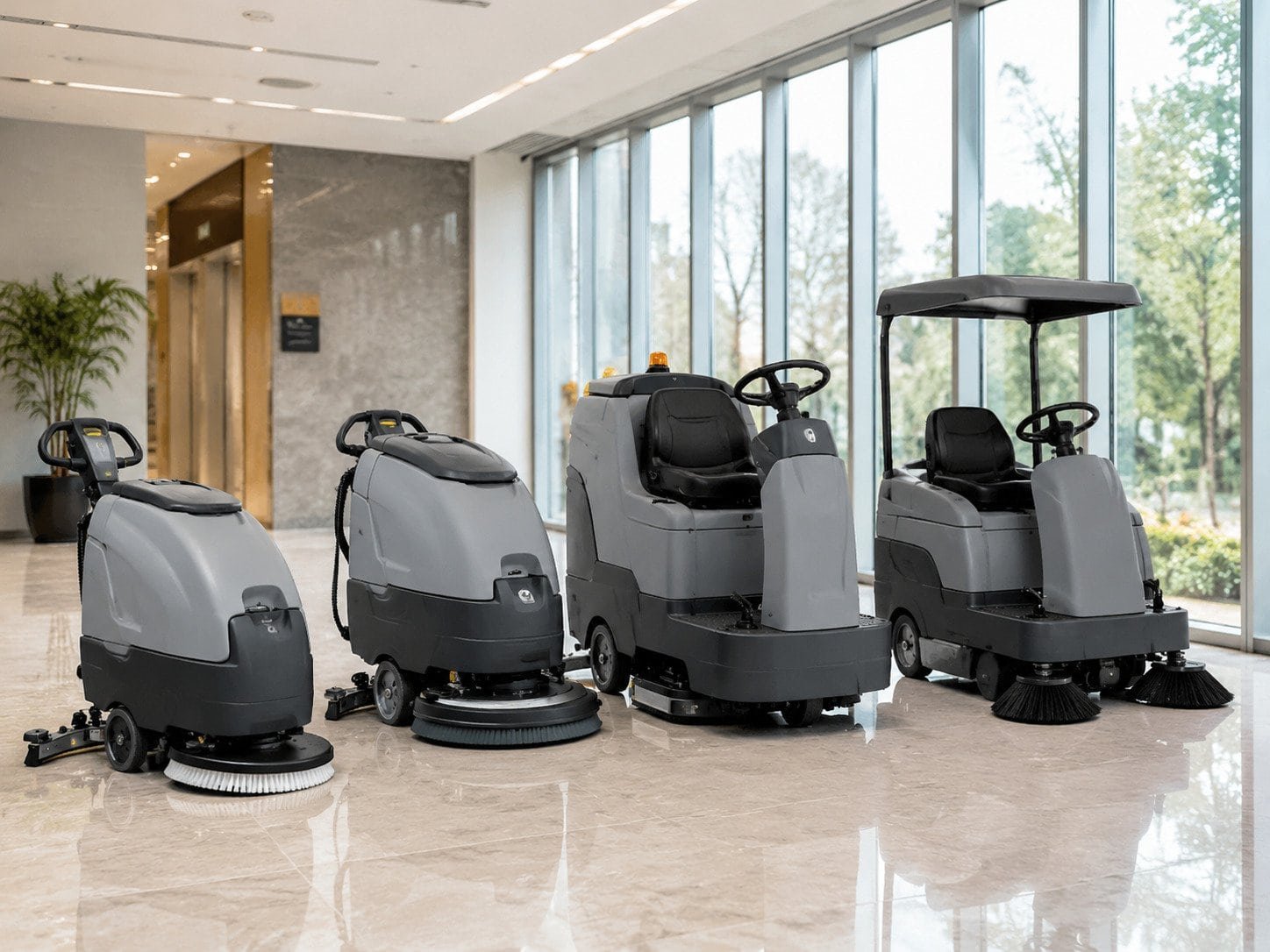
1re partie : Pourquoi le secteur du nettoyage des sols passe des batteries au plomb aux batteries au lithium
Les batteries au plomb sont largement utilisées dans les équipements de nettoyage depuis des décennies, mais leurs limites apparaissent de plus en plus clairement dans les applications modernes.
Principales limites des batteries au plomb-acide
- Durée de vie courte (300-500 cycles)
- Temps de charge long (6 à 10 heures)
- Poids élevé, ce qui réduit la maniabilité de la machine
- Chute de tension pendant la décharge, ce qui réduit les performances de nettoyage
- Entretien fastidieux (remplissage d'eau, mise à niveau)
Avantages des batteries au lithium (LiFePO4)
Les systèmes de batteries au lithium offrent des améliorations significatives en termes de performances :
- Longue durée de vie (2 000 à 4 000 cycles)
- Recharge rapide (1 à 3 heures)
- Tension de sortie stable tout au long de la décharge
- Réduction du poids des modèles 30%–60%
- Fonctionnement sans entretien
- Système de gestion de batterie intelligent intégré (BMS)
2e partie : Comparaison des performances entre les batteries au plomb et les batteries au lithium
| Fonctionnalité | Batterie au plomb | Batterie au lithium (LiFePO4) |
|---|---|---|
| Cycle de vie | 300-500 cycles | 2 000 à 4 000 cycles |
| Temps de charge | 6 à 10 heures | 1 à 3 heures |
| Poids | Lourd | Léger |
| Efficacité énergétique | ~70% | >95% |
| Maintenance | Fréquent | Minime |
| Stabilité de la tension | Chutes pendant l'utilisation | Rendement stable |
👉 Conclusion : les batteries au lithium permettent de réduire considérablement le coût total de possession (TCO) tout en améliorant l'efficacité opérationnelle.
3e partie : Principaux aspects techniques à prendre en compte pour la mise à niveau des batteries au lithium
1. Adaptation du réseau électrique (tension et charge)
Les systèmes de tension couramment utilisés dans les appareils de nettoyage des sols comprennent :
- Nettoyeuses compactes 24 V
- Machines de taille moyenne à 36 V
- Balayeuses industrielles 48 V
Une conception adéquate du débit et de la capacité de décharge est essentielle pour garantir un fonctionnement stable.
2. Système intelligent de gestion de batterie (BMS)
Un système de batterie au lithium de haute qualité doit comporter un BMS intelligent :
- Protection contre les surcharges
- Protection contre la surcharge
- Contrôle de la température
- Équilibrage du courant
- Protocoles de communication (CAN / RS485 / UART)
👉 Le BMS est au cœur de la sécurité du système et de la stabilité de ses performances.
3. Intégration structurelle
Le passage des batteries au plomb-acide aux batteries au lithium nécessite souvent :
- Refonte ou adaptation du compartiment à piles
- Optimisation de la répartition du poids
- Structure de fixation antivibratoire
4. Mise à niveau du système de recharge
Les chargeurs pour batteries au plomb ne sont pas compatibles avec les batteries au lithium.
Solutions recommandées :
- Chargeurs dédiés pour batteries au lithium
- Prise en charge de la recharge rapide
- Systèmes intelligents de gestion de la recharge
Partie 4. Les avantages concrets de la mise à niveau vers une batterie au lithium
Après être passés à des systèmes d'alimentation par batterie au lithium, les équipements de nettoyage des sols permettent généralement d'atteindre :
- 📈 20%–40% : durée de fonctionnement plus longue par cycle
- ⚡ 60%–80% : temps de recharge plus rapide
- 💰 Réduction des coûts d'exploitation totaux de 30% à 50% sur 3 ans
- 🧽 Des performances de nettoyage constantes, sans perte de puissance
- 🔧 Coûts de maintenance considérablement réduits
Partie 5. Cas d'utilisation des batteries au lithium dans le secteur du nettoyage des sols
Les systèmes de batteries au lithium sont largement utilisés dans :
- Autolaveuses professionnelles
- Matériel d'assainissement hospitalier
- Machines de nettoyage pour aéroports
- Systèmes de nettoyage des entrepôts
- Véhicules de balayage industriel
Partie 6. Erreurs courantes dans les projets de transition vers les batteries
Remplacement de la batterie uniquement, sans mise à niveau du système
Sans une compatibilité adéquate du système de gestion de batterie (BMS), les appareils peuvent afficher des niveaux de batterie erronés ou s'éteindre de manière inattendue.
Non-respect des exigences en matière de rejet
Les machines de nettoyage des sols nécessitent un courant de pointe élevé pendant leur fonctionnement.
Utilisation de chargeurs pour batteries au plomb-acide avec des batteries au lithium
Cela peut nuire à la durée de vie de la batterie et présenter des risques pour la sécurité.
Partie 6. Parcours de mise à niveau recommandé pour les équipements de nettoyage des sols
Étape 1 : Évaluation du matériel
- Système d'alimentation (24 V / 36 V / 48 V)
- Exigences en matière d'horaires de travail
- Demande de puissance de pointe
Étape 2 : Conception d'un système de batterie au lithium
- Bloc-batterie LiFePO4 sur mesure
- Intégration intelligente de la GTB
Étape 3 : Intégration mécanique
- Adaptation du compartiment à piles
- Optimisation de la conception en matière de résistance aux chocs et de gestion thermique
Étape 4 : Mise à niveau du système de recharge
- Chargeur dédié pour batteries au lithium
- Stratégie de recharge rapide
Partie 7. Pourquoi les batteries au lithium représentent l'avenir des équipements de nettoyage des sols
Le secteur évolue clairement dans une direction bien précise :
Dans le secteur des équipements de nettoyage des sols, la concurrence ne porte plus uniquement sur les machines, mais aussi sur les performances des systèmes énergétiques.
Les systèmes de batteries au lithium sont en train de devenir la norme dans le secteur, et non plus une option supplémentaire.
FAQ
Q1 : Puis-je remplacer directement une batterie au plomb par une batterie au lithium ?
Oui, mais le système de gestion de la batterie (BMS) et le système de recharge doivent être correctement adaptés l'un à l'autre pour garantir des performances stables.
Q2 : Les batteries au lithium conviennent-elles aux machines de nettoyage à usage intensif ?
Oui. Les batteries LiFePO4 supportent des débits de décharge élevés, ce qui les rend adaptées aux applications industrielles.
Q3 : Les batteries au lithium sont-elles sans danger pour les appareils de nettoyage ?
La composition chimique LiFePO4 est extrêmement stable et, associée à un système de gestion de batterie (BMS) adapté, elle offre d'excellentes performances en matière de sécurité.
Q4 : Le remplacement de la batterie au lithium coûte-t-il cher ?
Le coût initial est plus élevé, mais le coût total sur l'ensemble du cycle de vie est nettement inférieur.
Optez pour une solution sur mesure de batterie au lithium pour vos équipements de nettoyage des sols
Nous proposons des solutions sur mesure à base de batteries au lithium pour les applications de nettoyage des sols, notamment :
- Conception personnalisée de la tension et de la capacité
- Intégration d'un système de gestion de batterie (BMS) intelligent (CAN / RS485 / UART)
- Solutions certifiées UL / CE / UN38.3
- Prise en charge de la production en série OEM/ODM
👉 Contactez-nous pour obtenir une solution sur mesure de mise à niveau de la batterie au lithium de votre équipement.
 English
  Chinese
  Japanese
  German
  French
  Korean
