
倉庫の自動化は、商品の保管、搬送、配送の方法を急速に変えつつあります。無人搬送車(AGV)、自律移動ロボット(AMR)、ロボットフォークリフト、そしてスマートマテリアルハンドリングシステムは、現代の物流業務において不可欠な設備となりつつあります。.
あらゆる自動化システムの中心にあるのがバッテリーパックです。.
信頼性の高いバッテリーソリューションは、以下の点に直接影響を与えます:
- 稼働時間
- 充電効率
- ロボットの稼働状況
- 維持費
- 倉庫の生産性
従来の鉛蓄電池は、かつて産業用車両で広く使用されていました。しかし、倉庫では稼働時間の延長、充電時間の短縮、およびメンテナンスの手間削減が求められるようになり、, LiFePO4 バッテリーパック AGVやロボット工学の分野において、好まれる電源ソリューションとなりつつあります。.
と組み合わせて チャンスチャージ, LFPバッテリーシステムにより、ロボットはダウンタイムを最小限に抑えながら連続稼働が可能になります。.
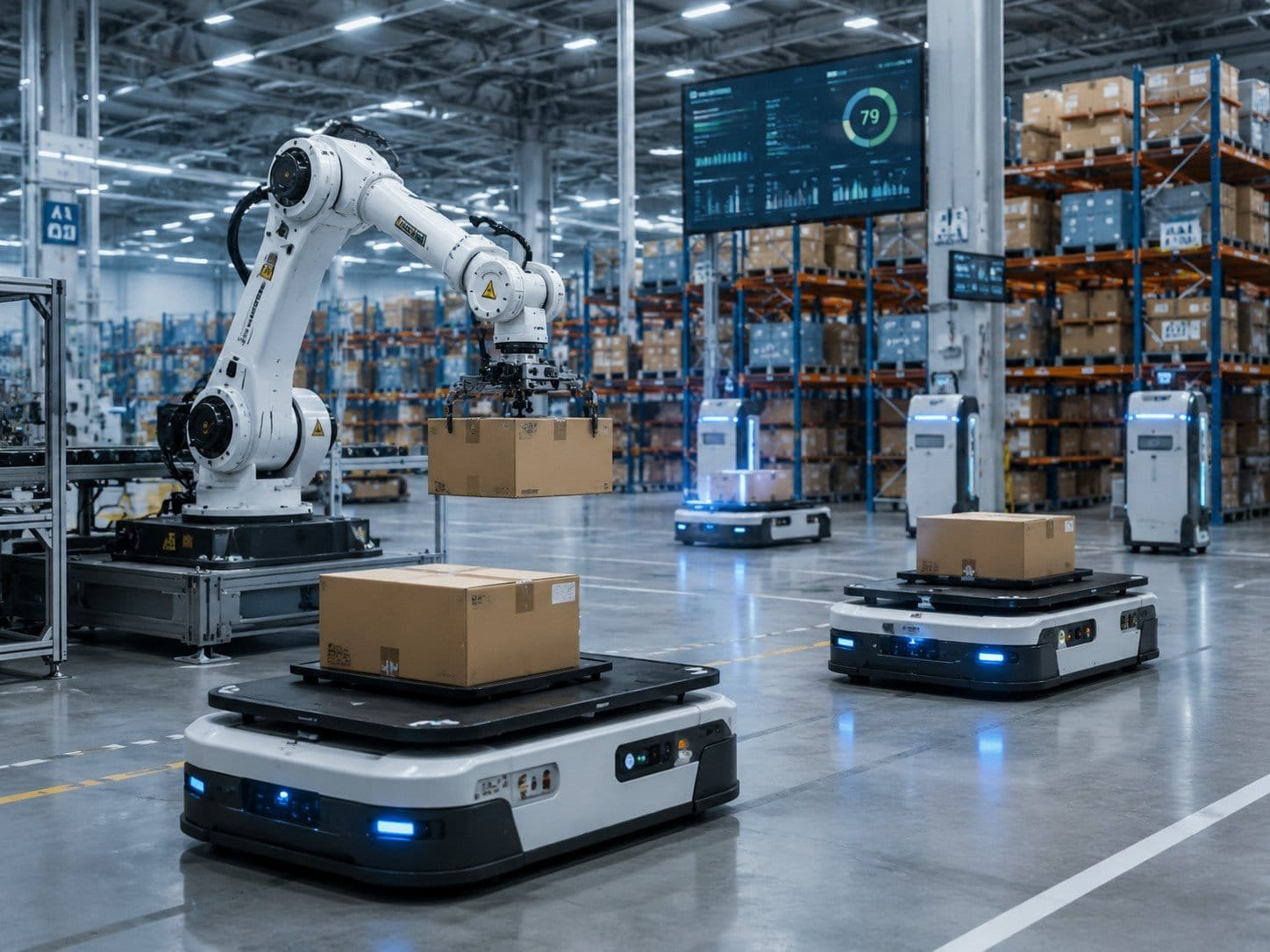
1. AGVおよびロボットシステムにおいて、バッテリーの選定が重要な理由
AGVやAMRは、従来の車両とは異なる仕組みで動作します。.
決まったシフトで稼働することがあるフォークリフトとは異なり、自律型ロボットは多くの場合、次のように稼働します:
- 24時間365日稼働する倉庫環境
- 1日あたり複数の稼働サイクル
- 動的ルート
- 高頻度の加速と減速
- 自動充電スケジュール
バッテリーの選択を誤ると、次のような問題が生じる可能性があります:
- 予期せぬシャットダウン
- ロボットの効率低下
- 人件費の増加
- 機器の耐用年数の短縮
倉庫の自動化においては、バッテリーには以下の機能が求められます:
| 要件 | バッテリー性能の要件 |
|---|---|
| 稼働時間が長い | 高エネルギー密度 |
| 頻繁な充電 | 高いサイクル寿命 |
| 屋内での安全な運用 | 安定した化学的性質 |
| 連続運転 | 急速充電機能 |
| スマートな管理 | インテリジェントBMS通信 |
こうした理由から、リチウム電池技術は倉庫の自動化において重要な要素となっている。.
2. AGVやロボット分野でLiFePO4電池が好まれる理由
さまざまなリチウム電池の化学組成の中でも、LiFePO4は産業用ロボットやAGVシステムにおいて、最も広く採用されているソリューションの一つとなっています。.
2.1 長い寿命により、交換コストを削減
AGVは1日を通して頻繁に充電と放電を繰り返します。.
一般的なLFPバッテリーパックは、以下の性能を発揮します:
- 設計や使用条件により、3,000~8,000回以上の充放電サイクル
- 安定した容量保持
- 長寿命
鉛蓄電池と比較して、LFP電池は電池の交換頻度を減らし、総コスト効率を向上させます。.
2.2 屋内用途における高い安全性
倉庫において、安全性は極めて重要な要素です。.
LiFePO4の化学的特性により、以下の利点が得られます:
- 安定した熱特性
- 熱暴走のリスクが低い
- 連続運転下でも安定した性能を発揮
数百台のロボットが同時に稼働する可能性がある倉庫においては、バッテリーの安全性が重要な考慮事項となります。.
2.3 利用可能エネルギー容量の増加
従来の鉛蓄電池は、通常、寿命に影響を与えずに定格容量をフルに活用することはできません。.
LiFePO4バッテリーパックの特長:
- 利用可能な容量の増加
- より安定した電圧出力
- エネルギーのより効率的な活用
これにより、AGVやロボットは、長時間の稼働サイクルにおいても安定した性能を維持することができます。.
2.4 軽量設計によるロボットの効率向上
バッテリーの重量は、以下の点に直接影響します:
- ロボットの積載能力
- エネルギー消費量
- 運動効率
鉛蓄電池に代わるリチウムイオン電池パックは、同等の、あるいはそれ以上のエネルギー出力を維持しつつ、システムの軽量化を図ることができます。.
これにより、以下の分野において設計の柔軟性がさらに高まります:
- AMR
- 移動ロボット
- ロボットアーム
- 自律走行フォークリフト
3. 機会充電:24時間365日の倉庫自動化の鍵
「オポチュニティ・チャージング」とは何ですか?
「機会充電」とは、ロボットが完全充電の時間を待つのではなく、短い休憩時間を利用してバッテリーを充電することを指します。.
例えば、こうだ:
- ロボットが配達作業を完了した
- ロボットが自動的に充電ステーションに戻る
- バッテリーへの充電が一時的に強化される
- ロボットは直ちに稼働を再開する
この充電方式により、倉庫の連続稼働が可能になります。.
4. なぜLFPバッテリーパックでは「オポチュニティ充電」がより効果的に機能するのか
オポチュニティ充電には、頻繁な充電サイクルに耐えられるバッテリーが必要です。.
LiFePO4電池には、いくつかの利点があります:
高い充電受入能力
LFP電池は、従来の電池に比べてより大きな充電電流を受け入れることができます。.
これにより、以下のことが可能になります:
- 充電可能な時間帯が短い
- より迅速なエネルギー回収
- ダウンタイムの短縮
優れた部分充電状態における性能
多くの倉庫用ロボットは、バッテリーを完全に放電させることはめったにありません。.
これらは通常、以下の時間帯に運行されています:
- 20%–80% の充電状態
- 短時間の充電サイクルを複数回繰り返す
LFP電池は、部分充電状態でも良好な性能を発揮します。.
インテリジェントBMS制御
最新のAGV用バッテリーパックには、スマートなバッテリー管理システム(BMS)が採用されています。.
高性能なBMSでは、以下の項目を監視することができます:
- 電圧
- 現在
- 温度
- 充電状態(SOC)
- 健康状態(SOH)
利用可能な通信方法には、以下のものがあります:
- CANバス
- RS485
- UART
- Modbus
これにより、ロボットや倉庫管理システムは充電スケジュールを最適化できるようになります。.
5. AGV用バッテリーパックの主要な設計要件
業務用AGV用バッテリーパックは、単にバッテリーセルをつなぎ合わせるだけのものではありません。.
必要なものは以下の通りです:
5.1 高品質な電池セル
一般的な選択肢としては、次のようなものがあります:
- LiFePO4円筒形セル
- LiFePO4角形セル
セルの照合は重要です:
- 電圧の一貫性
- 内部抵抗マッチング
- 容量バランス
5.2 カスタマイズされたバッテリー構造
AGV用バッテリーパックは、多くの場合、以下の要件に応じてカスタマイズされた設計が必要となります:
- ロボットの寸法
- 設置スペース
- 電圧要件
- 通信プロトコル
一般的な構成:
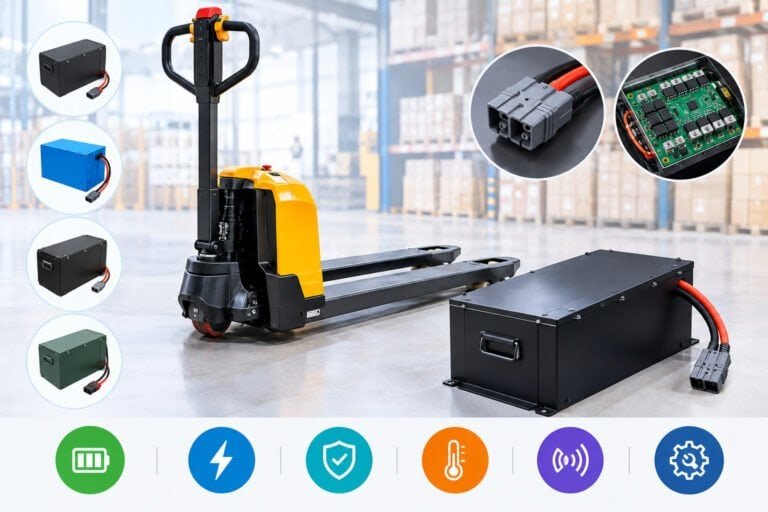
- 24V AGV用バッテリーパック
- 36Vロボット用バッテリーパック
- 48V AGVバッテリーシステム
- 51.2V 産業用バッテリーパック
- 72V ヘビーデューティー用ロボットバッテリー
5.3 産業用保護設計
倉庫環境では、耐久性に優れたバッテリーシステムが求められます。.
代表的な特徴としては、次のようなものがあります:
- IP65/IP67保護等級
- 耐振動性
- 温度保護
- 短絡保護
- 過充電保護
- 過放電保護
6. AGVおよびロボティクス向けバッテリー市場のビジネスチャンス
倉庫の自動化が進むにつれ、カスタマイズされたリチウム電池ソリューションへの需要が高まっています。.
主な適用分野
無人搬送車 (AGV)
用途:
- 資材の運搬
- 製造物流
- 倉庫内の移動
自律移動ロボット(AMR)
用途:
- ピッキング
- 並べ替え
- 配送
- 在庫管理
ロボットフォークリフト
用途:
- パレット輸送
- 自動倉庫システム
- 大型資材の運搬
産業用ロボット
バッテリーシステムのサポート:
- 移動型ロボットプラットフォーム
- 検査ロボット
- サービスロボット
7. AGV用バッテリー技術の今後の動向
スマートバッテリー管理
将来のAGV用バッテリーには、より高度なインテリジェンスが組み込まれることになるでしょう:
- 遠隔監視
- 予知保全
- クラウド型バッテリー分析
より高いエネルギー密度
バッテリーメーカーは改良を続けています:
- 細胞化学
- パックの構造
- 熱管理
バッテリーの標準化
ますます多くの自動化関連企業が求めているのは:
- モジュール式バッテリーパック
- 迅速な交換システム
- 標準通信インターフェース
持続可能な倉庫運営
リチウム電池ソリューションは、以下の点を通じて、より環境に優しい倉庫の実現を支援します:
- メンテナンスの手間が少ない
- 長寿命
- より高いエネルギー効率
8. AGV用バッテリーパックのサプライヤーの選び方
バッテリーパートナーを選定する際、企業は以下の点を評価すべきです:
製造能力
次のような特徴を持つサプライヤーを探してください:
- 自動化された生産ライン
- 細胞選別システム
- レーザー溶接技術
- 経年劣化試験設備
品質認証
主な認証には、以下のものがあります:
- UN38.3
- IEC 62133
- CE
- RoHS
- UL認証
- ISO品質マネジメントシステム
カスタムエンジニアリングサポート
信頼できるサプライヤーが提供すべきものである:
- バッテリー設計のサポート
- BMSのカスタマイズ
- プロトタイプ開発
- 試験サービス
よくある質問:AGVおよびロボット用バッテリーパック
Q1: なぜAGVにはLiFePO4電池が使われているのですか?
LiFePO4バッテリーは、長いサイクル寿命、安定した性能、安全性の利点を備え、頻繁な充電にも対応しているため、倉庫での連続稼働に適しています。.
Q2: AGVのバッテリーは、随時充電に対応していますか?
はい。LiFePO4バッテリーパックは、頻繁な短時間の充電サイクルに対応できるよう設計されているため、機会充電システムに適しています。.
Q3:AGV用リチウム電池の寿命はどれくらいですか?
適切に設計されたLiFePO4製AGV用バッテリーパックは、使用条件、充電方法、およびメンテナンス状況にもよりますが、通常、数年間にわたって稼働することができます。.
Q4:AGVロボットには一般的にどのような電圧のバッテリーが使われていますか?
一般的なAGV用バッテリーの電圧には、次のようなものがあります:
- 24V
- 36V
- 48V
- 51.2V
- 72V
Q5: AGV用バッテリーはカスタマイズ可能ですか?
はい。バッテリーメーカーは、以下の点をカスタマイズすることができます:
- 電圧
- 定員
- サイズ
- 通信プロトコル
- BMSの機能
- コネクタの設計
結論:LFPバッテリーパックが倉庫自動化の未来を切り拓く
倉庫の自動化レベルが向上するにつれ、バッテリー技術はシステムの信頼性を左右する重要な要素となっています。.
LiFePO4バッテリーパックと随時充電を組み合わせることで、AGVおよびロボットシステムには以下の利点がもたらされます:
- 営業時間の延長
- ダウンタイムの短縮
- 安全性の向上
- メンテナンスの手間が少ない
- 業務効率の向上
AGV、AMR、ロボットフォークリフト、あるいは自動倉庫設備を開発する企業にとって、適切なリチウムイオン電池のパートナーを選ぶことは、信頼性の高い自動化ソリューションを構築するための重要な一歩となります。.
カスタマイズされたAGVおよびロボティクス向けLiFePO4バッテリーソリューション
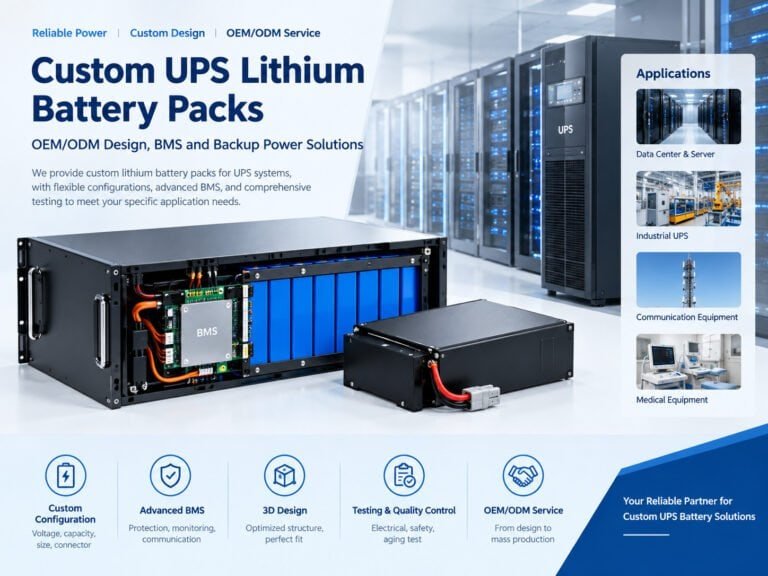
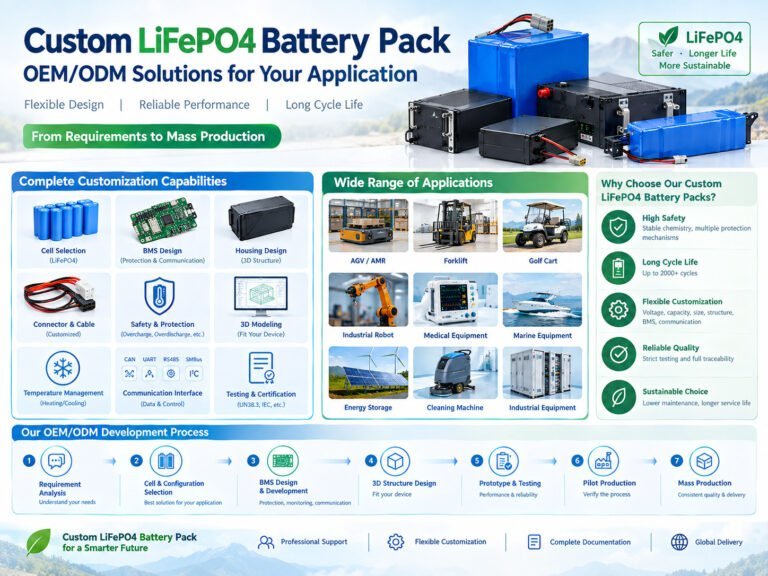
東莞易展電子技術有限公司は、AGV、AMR、ロボット、フォークリフト、および産業用機器向けに、カスタマイズされたリチウムイオンバッテリーパックを提供しています。.
LiFePO4バッテリーの設計、スマートBMSの統合、OEM/ODM製造、および品質試験に関する専門知識を活かし、世界中の顧客が倉庫の自動化に向けた信頼性の高い電源ソリューションを開発できるよう支援しています。.
 English
  Chinese
  Japanese
  German
  French
  Korean
