
Alors que les services de livraison urbaine, la logistique du dernier kilomètre et le transport commercial continuent de se développer, les vélos E-Cargo deviennent la solution préférée des entreprises et des opérateurs individuels. En tant que “cœur énergétique” du véhicule, la batterie a un impact direct sur l'autonomie, la capacité de charge, les coûts d'exploitation et la sécurité globale.
Alors, comment choisir la bonne batterie E-Cargo ?
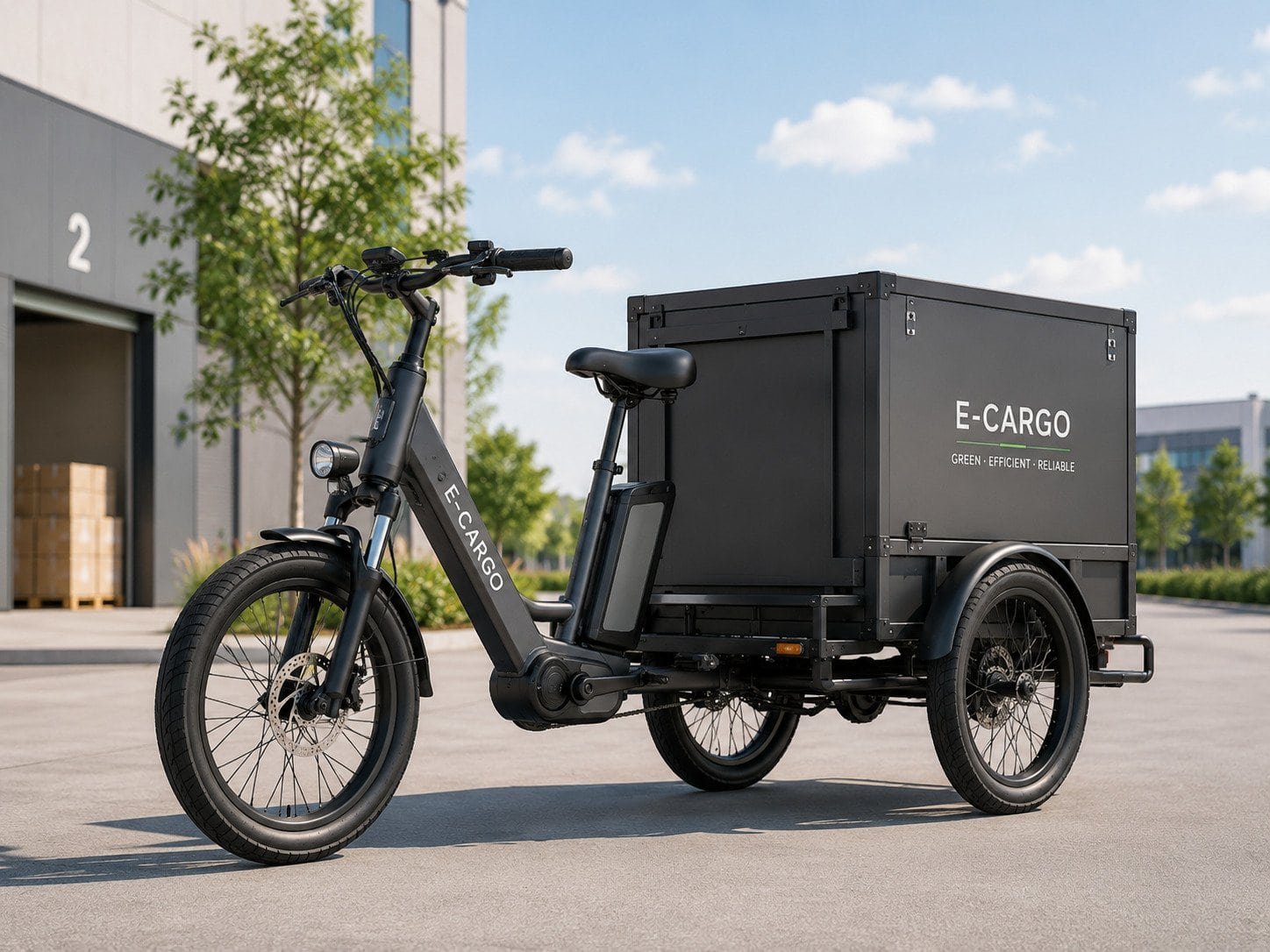
Partie 1. Choisir la bonne tension en fonction de votre application
Les tensions de batterie E-Cargo les plus courantes sur le marché sont les suivantes :
| Tension | Application typique |
| 36V | Transport léger et livraison sur de courtes distances |
| 48V | Vélos électriques cargo grand public |
| 52V | Vélos cargo haute performance et à forte charge |
| 72V | Véhicules logistiques spécialisés |
Pour la plupart des projets de vélo cargo, 48V reste le choix le plus populaire et le plus largement compatible, Le système d'exploitation de l'ordinateur est un excellent équilibre entre la puissance, l'efficacité et la compatibilité avec le système.
Partie 2. Choisir la capacité de la batterie en fonction de l'autonomie requise
La capacité de la batterie est généralement mesurée en Ampères-heures (Ah).
Les capacités des batteries E-Cargo les plus courantes sont les suivantes
- 48V 15Ah
- 48V 20Ah
- 48V 25Ah
- 48V 30Ah
- 48V 40Ah
En général, plus la capacité est grande, plus l'autonomie est importante.
Énergie typique de la batterie
| Spécifications de la batterie | L'énergie |
| 48V 20Ah | 960Wh |
| 48V 30Ah | 1440Wh |
| 48V 40Ah | 1920Wh |
Capacité recommandée par application
Livraison urbaine
20Ah-30Ah
Opérations de messagerie et de logistique
30Ah-40Ah
Transport à longue distance
40Ah et plus
Partie 3. Se concentrer sur l'énergie de la batterie (Wh), pas seulement Ah
De nombreux acheteurs se concentrent uniquement sur les valeurs en Ah, mais l'indicateur réel de l'autonomie est l'énergie de la batterie mesurée en Wattheures (Wh).
Formule
Wh=V×AhWh=V\ fois Ah
Exemples
- 48V × 30Ah = 1440Wh
- 48V × 40Ah = 1920Wh
Plus la valeur Wh est élevée, plus la plage de fonctionnement potentielle est importante.
Partie 4. Comment choisir un Fabricant de batteries E-Cargo
La sécurité, la durabilité et la fiabilité d'une batterie dépendent fortement des capacités de son fabricant.
Lors de l'évaluation d'un fournisseur de batteries E-Cargo, il est important de prendre en compte plusieurs aspects, notamment
- Capacités de R&D
- Force de production
- Systèmes de contrôle de la qualité
- Moyens d'essais
- Expérience du projet
1. pourquoi le choix du fabricant est plus important que le choix de la batterie
De nombreux acheteurs comparent :
- Tension
- Capacité
- Marque de cellule
- Prix
Cependant, même les batteries fabriquées avec les mêmes éléments peuvent présenter des différences de qualité significatives selon le fabricant.
Les facteurs clés qui déterminent les performances finales de la batterie sont les suivants
- Conception structurelle de la batterie
- Capacité de développement du BMS
- Processus de fabrication des PACK
- Qualité du soudage
- Contrôle de cohérence
- Procédures d'inspection
C'est pourquoi il est souvent plus important d'évaluer les capacités du fabricant que de comparer uniquement les spécifications.
2. Évaluer l'équipe de R&D
Pour les projets E-Cargo, la capacité de R&D détermine la limite supérieure des performances du produit.
Sur le marché européen en particulier, les clients sont de plus en plus exigeants :
- Solutions à long terme
- Systèmes à double batterie
- Fonctions de communication intelligentes
- Performances d'étanchéité accrues
- Certifications internationales de sécurité
Les fabricants qui ne disposent pas d'équipes de R&D solides sont souvent limités aux produits standard et peuvent avoir du mal à répondre aux exigences des projets personnalisés.
3. Évaluer la taille et l'expertise de l'équipe d'ingénieurs
Les principaux fabricants de batteries emploient généralement :
- Ingénieurs en conception mécanique
- Ingénieurs logiciels BMS
- Ingénieurs en matériel informatique
- Ingénieurs d'essais
- Ingénieurs de projet
Ces équipes soutiennent l'ensemble du processus de développement, de la conception à la production en série.
Pour les batteries E-Cargo, les fortes capacités de R&D se traduisent par :
- Brevets relatifs aux batteries d'E-Cargo
- Développement d'un BMS propriétaire
- Technologie de batterie longue portée à haute capacité
- Systèmes intelligents de commutation à double batterie
- Conception structurelle étanche IP67
- Technologies d'optimisation des charges lourdes et des cycles élevés
- Solutions de batteries personnalisées pour les applications logistiques
Alors que le secteur de la logistique urbaine continue de se développer en Europe, les fabricants dotés d'une capacité d'innovation permanente peuvent fournir des produits plus compétitifs avec une densité énergétique plus élevée, une sécurité accrue et une durée de vie plus longue.
4. Laboratoire de R&D et équipement d'essai
Les fabricants professionnels de batteries E-Cargo exploitent généralement des laboratoires d'essai spécialisés équipés de systèmes de validation avancés.
Les principaux équipements d'essai peuvent être les suivants
- Systèmes de test de la durée de vie des batteries
- Plateformes d'essais fonctionnels BMS
- Chambres à haute et basse température
- Équipement d'essai d'étanchéité
- Équipement d'essai de vibration
- Équipement de test de chute
- Matériel de contrôle de la sécurité électrique
- Systèmes d'analyse des performances des batteries
Les batteries E-Cargo étant fréquemment utilisées dans des environnements commerciaux exigeants, elles doivent être soumises à des tests plus rigoureux que les batteries standard pour vélos électriques.
Des capacités d'essai complètes permettent d'assurer la conformité avec les normes internationales telles que
- UL2271
- EN50604-1
- UN38.3
Ces certifications sont souvent essentielles pour pénétrer les marchés européens et nord-américains.
5. Riche expérience du projet E-Cargo
Au-delà des équipes d'ingénieurs et des installations d'essai, l'expérience du projet est un autre facteur d'évaluation important.
Les fabricants qui ont de l'expérience dans les applications de mobilité commerciale ont souvent des compétences dans les domaines suivants :
- Vélos E-Cargo
- Trikes cargo
- Véhicules de livraison du dernier kilomètre
- Flottes de distribution postale
- Véhicules de livraison de supermarchés
- Plateformes logistiques partagées
- Opérations de la flotte commerciale
Les équipes d'ingénieurs expérimentés comprennent mieux les défis du monde réel tels que :
- Exigences en matière de décharge continue
- Cycles de charge fréquents
- Conditions d'escalade à forte charge
- Fonctionnement en cas de pluie et de neige
- Exigences en matière de gestion du parc automobile
Cette expérience permet aux fabricants d'optimiser en permanence la structure des batteries, les algorithmes BMS, l'étanchéité et les systèmes de gestion thermique.
Partie 5. Évaluer la capacité de fabrication
La capacité de fabrication détermine directement si un fournisseur peut livrer des produits de manière cohérente et soutenir la croissance future de l'entreprise.
La demande de solutions E-Cargo augmentant rapidement dans le monde entier, il devient de plus en plus important de disposer d'une capacité de production évolutive.
1. la capacité de production globale
Un fabricant de batteries E-Cargo qualifié devrait apporter son soutien :
- Développement de prototypes
- Production en petites séries
- Production pilote
- Fabrication en série
À mesure que les marques E-Cargo se développent, la demande de batteries peut rapidement passer de quelques centaines d'unités à des milliers, voire des dizaines de milliers.
Les principaux indicateurs d'évaluation sont les suivants
- Capacité de production mensuelle
- Délais d'exécution
- Taux de livraison à temps
- Capacité d'extension des capacités
- Stabilité de l'approvisionnement en matières premières
Un fournisseur mature peut soutenir à la fois la validation à un stade précoce et le déploiement commercial à grande échelle.
2. Automatisation et équipement de production
Les batteries E-Cargo ont généralement une plus grande capacité et une puissance plus élevée que les batteries grand public, ce qui rend la cohérence de la fabrication particulièrement importante.
Les usines modernes de fabrication de batteries utilisent souvent :
Systèmes de tri cellulaire automatique
Assurer la cohérence dans :
- Tension
- Résistance interne
- Capacité
Équipement de soudage au laser de haute précision
Par rapport au soudage manuel, le soudage au laser offre les avantages suivants
- Résistance supérieure des soudures
- Meilleure conductivité
- Une plus grande cohérence
Ceci est particulièrement important pour les batteries E-Cargo de grande capacité.
Lignes d'assemblage PACK entièrement automatisées
Soutenir :
- Disposition automatisée des cellules
- Soudage automatisé
- Assemblage automatisé
- Tests automatisés
L'automatisation réduit les erreurs humaines tout en améliorant la cohérence et l'efficacité.
Systèmes intelligents d'inspection en ligne
Le contrôle en temps réel permet de détecter les anomalies pendant la production et de réduire les taux de défaut.
3. développement interne des composants de base
Les fabricants ayant de fortes capacités d'intégration verticale fournissent souvent :
- Conception du bloc-batterie
- Développement du BMS
- Développement de chargeurs
- Développement de protocoles de communication
- Développement d'un contrôleur à double batterie
Par rapport aux entreprises qui dépendent fortement de fournisseurs tiers, les fabricants verticalement intégrés offrent les avantages suivants :
Meilleure compatibilité des systèmes
La batterie, le BMS et les systèmes du véhicule fonctionnent ensemble de manière plus efficace.
Amélioration du contrôle de la qualité
La qualité peut être gérée tout au long du processus de production.
Cycles de développement plus rapides
Les mises à niveau de produits et les projets personnalisés peuvent être réalisés plus rapidement.
Stabilité accrue de la chaîne d'approvisionnement
La réduction de la dépendance à l'égard des fournisseurs externes diminue les risques liés à la chaîne d'approvisionnement.
4. Capacité de production et de livraison en masse
Les clients typiques d'E-Cargo sont les suivants
- Opérateurs de logistique urbaine
- Sociétés de messagerie
- Flottes commerciales
- Marques de véhicules et équipementiers
Ces clients ont souvent besoin d'un approvisionnement à long terme et en grandes quantités.
Les principaux éléments à prendre en compte sont les suivants :
- Nombre de lignes de production
- Capacité d'expansion
- Systèmes de production standardisés
- Systèmes de gestion de la chaîne d'approvisionnement
Un fabricant mature doit pouvoir assurer la transition entre les prototypes et la production à grande échelle.
5. La force de fabrication détermine la réussite du projet
Pour les marques E-Cargo, l'innovation dépend de la R&D, tandis que le succès du déploiement sur le marché dépend de la capacité de production.
Un partenaire fiable à long terme dans le domaine des batteries doit offrir
Capacité de production stable à grande échelle
✅ Équipements de fabrication automatisés avancés
✅ Développement d'une technologie de base en interne
✅ Une gestion solide de la chaîne d'approvisionnement
Réponse rapide aux commandes de gros volumes
Ces capacités permettent de garantir une qualité constante des produits, une livraison fiable et la réussite à long terme des projets.
Partie 6. Examiner le système d'essai des produits
La capacité de test a un impact direct sur la fiabilité des batteries.
Les fabricants professionnels disposent généralement de laboratoires d'essai indépendants.
Tests cellulaires
Y compris :
- Test de tension
- Test de résistance interne
- Essais de capacité
Veiller à ce que chaque cellule réponde aux normes de qualité.
BMS Tests fonctionnels
Y compris :
- Protection contre les surcharges
- Protection contre la surcharge
- Protection contre les surintensités
- Protection contre les courts-circuits
- Protection de la température
Assurer un fonctionnement sûr de la batterie.
Essais sur les produits finis
Y compris :
- Tests de charge et de décharge
- Essais de capacité
- Tests de vieillissement
- Essais de durée de vie
Valider les performances globales de la batterie.
Partie 7. Accorder une attention particulière aux essais de sécurité
Les batteries E-Cargo sont fréquemment exposées :
- Cycles de charge/décharge fréquents
- Longues heures de fonctionnement
- Conditions environnementales difficiles
Il est donc essentiel de procéder à des tests de sécurité complets.
Essais de vibration
Simule les conditions de transport et de conduite.
Test de chute
Vérifie l'intégrité structurelle.
Essais d'étanchéité
Les niveaux de protection recommandés sont les suivants
- IP65
- IP66
- IP67
Les opérateurs logistiques européens exigent de plus en plus des performances élevées en matière d'étanchéité.
Essais à haute et basse température
Assure un fonctionnement stable pendant :
- Conditions estivales chaudes
- L'hiver commence dans le froid
Choisir des éléments de batterie de haute qualité
Les cellules des batteries jouent un rôle majeur dans la détermination de la durée de vie, de la fiabilité et des performances globales.
Les fabricants de cellules largement reconnus sont les suivants
- Samsung SDI
- LG Energy Solution
- Panasonic
- Énergie EVE
Les cellules haut de gamme offrent généralement
✅ Durée de vie plus longue
✅ Meilleure cohérence
✅ Taux d'échec plus faibles
Une puissance de sortie plus stable
Donner la priorité aux certifications internationales en matière de sécurité
Les batteries E-Cargo étant souvent soumises à de lourdes charges pendant de longues périodes, la certification est un élément essentiel.
Les principales certifications sont les suivantes
- UL2271
- UL2849
- EN50604-1
- CE
- UN38.3
- IEC62133
Pour les produits destinés aux marchés européens et nord-américains, ces certifications sont souvent obligatoires.
Conclusion
Lors du choix d'une batterie E-Cargo, il convient de se concentrer sur les cinq facteurs clés suivants :
🔋 Capacité de la batterie et exigences en matière d'autonomie
⚡ Compatibilité de tension avec le système de moteur
🛡️ Certifications internationales de sécurité
🌧️ Niveau de protection contre l'eau
🏭 Capacité de R&D et de personnalisation du fabricant
Pour la plupart des applications de logistique et de vélos-cargos, un Batterie lithium 48V 30Ah-40Ah équipée d'un BMS intelligent, protection IP67 et certifications internationales offre un excellent équilibre entre l'autonomie, la sécurité, la fiabilité et le coût d'exploitation global.
En s'associant à un fabricant expérimenté de batteries E-Cargo qui combine de solides capacités de R&D, des systèmes de fabrication avancés et un contrôle qualité complet, les entreprises peuvent mettre au point des solutions de mobilité cargo plus sûres, plus compétitives et plus fiables pour l'avenir.
 English
  Chinese
  Japanese
  German
  French
  Korean
