
리튬 배터리 기술이 지속적으로 발전함에 따라, 전기차, 산업용 장비, 로봇 공학 및 에너지 저장 시스템을 위한 배터리 솔루션을 선택할 때 안전성은 가장 중요한 요소 중 하나로 자리 잡았습니다.
다양한 리튬 배터리 화학 구성 중에서, LiFePO4(리튬 인산철) 배터리 뛰어난 열적 안정성, 긴 수명, 그리고 신뢰할 수 있는 안전 성능으로 널리 인정받고 있습니다.
하지만 LiFePO4 배터리는 정말로 완전히 안전한 것일까?
정답은 다음과 같습니다:
LiFePO4 배터리는 현재 사용 가능한 리튬 배터리 기술 중 가장 안전한 기술 중 하나이지만, 배터리의 안전성은 단순히 화학 성분에만 달려 있는 것은 아닙니다. 셀 품질, 배터리 관리 시스템(BMS), 구조 설계, 제조 공정 등이 모두 중요한 역할을 합니다.
전문 리튬 배터리 제조업체인 동관 이잔 전자 기술 유한공사는 산업용 장비, AGV 로봇, 지게차, 해양 분야 및 에너지 저장 시스템을 위해 설계된 맞춤형 LiFePO4 배터리 팩을 공급합니다.
1부. LiFePO4 배터리가 왜 더 안전한 것으로 여겨지는가?
1. 인산철리튬의 안정적인 화학 구조
LiFePO4 배터리의 가장 큰 장점은 안정적인 양극 재료 구조에서 비롯됩니다.
극심한 과열 상황에서 산소를 방출할 수 있는 일부 리튬 배터리 화학 구성과 달리, LiFePO4 소재는 화학 결합이 더 강하기 때문에 열적 스트레스 발생 시 급속 연소 위험이 줄어듭니다.
따라서 LiFePO4 배터리는 다음과 같은 조건이 필요한 용도에 적합합니다:
- 긴 운영 시간
- 높은 충전 빈도
- 높은 안전 기준
- 가혹한 산업 환경
일반적인 애플리케이션은 다음과 같습니다:
- 전동 지게차
- AGV 및 AMR 로봇
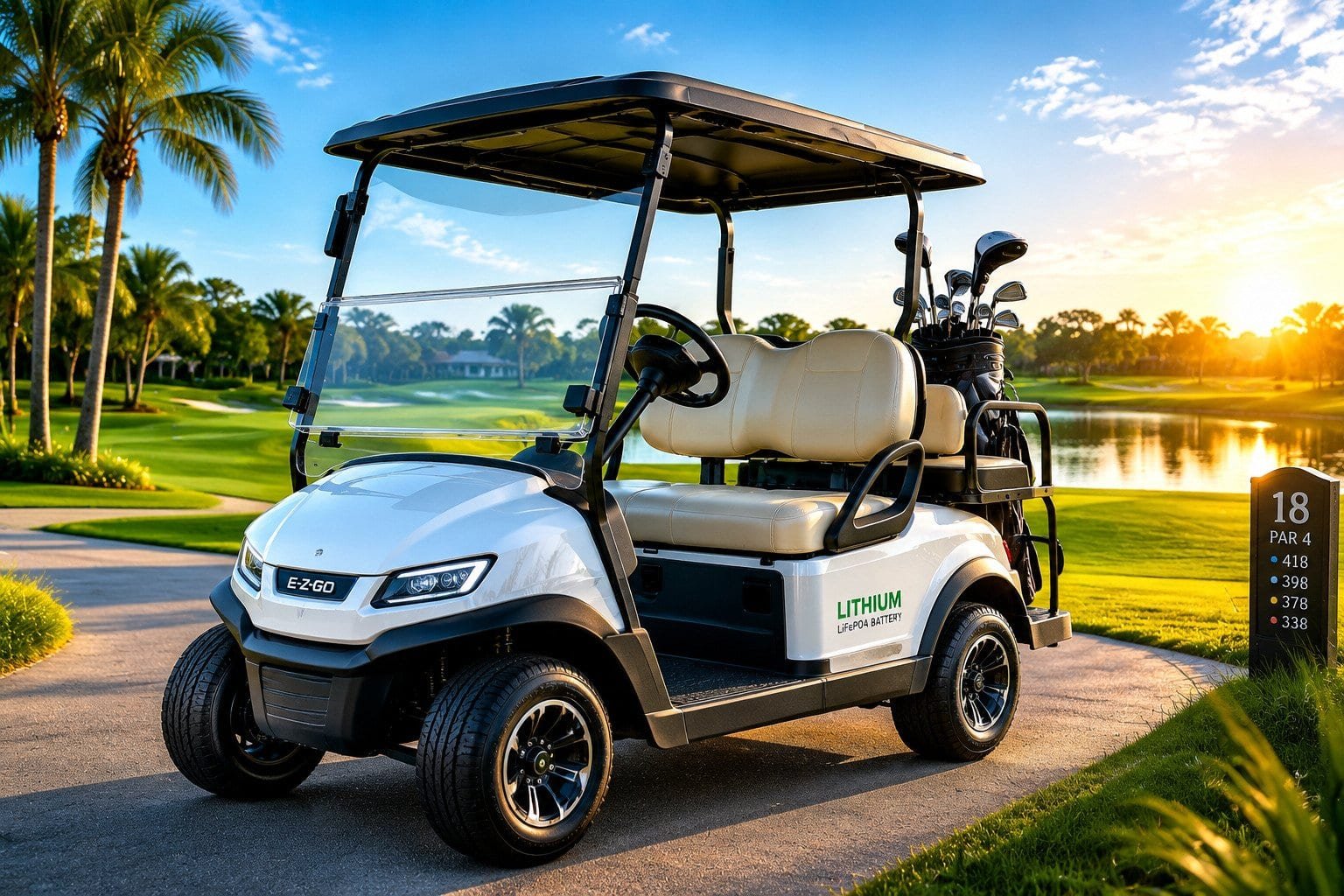
- 골프 카트
- 선박용 배터리
- 태양 에너지 저장
- 산업 장비
2부. LiFePO4 배터리는 화재가 발생할 수 있나요?
흔히 있는 오해 중 하나는 다음과 같습니다:
“LiFePO4 배터리는 불이 날 수 없습니다.”
이 진술은 틀렸습니다.
올바른 설명은 다음과 같습니다:
LiFePO4 배터리는 다른 많은 리튬 배터리 화학 구성에 비해 열폭주 위험이 낮지만, 여전히 적절한 설계와 보호 시스템이 필수적입니다.
잠재적인 위험 요인은 다음과 같은 곳에서 발생할 수 있습니다:
과다 청구
부적절한 충전 조건으로 인해 다음과 같은 문제가 발생할 수 있습니다:
- 과전압
- 발열
- 내부 화학 반응
신뢰할 수 있는 배터리 팩에는 다음이 포함되어야 합니다:
- 과충전 방지
- 전압 모니터링
- 스마트 BMS 제어
물리적 손상
심각한 충격이나 기계적 손상으로 인해 다음과 같은 문제가 발생할 수 있습니다:
- 내부 단락
- 세포 변형
- 비정상적인 발열
산업용 애플리케이션의 경우, 배터리 팩에는 다음이 포함되어야 합니다:
- 충격 방지 하우징
- 진동 테스트
- 보호 구조물
저조한 제조 품질
배터리 안전성은 제조 품질과 밀접한 관련이 있습니다.
품질이 낮은 배터리 팩에는 다음과 같은 문제가 발생할 수 있습니다:
- 셀 매칭 불량
- 용접 부위의 약한 부분
- 잘못된 배선 설계
- 부적절한 보호 시스템
안전한 배터리를 만들기 위해서는 셀 선정부터 최종 조립에 이르기까지 전문적인 엔지니어링이 필요합니다.
3부. BMS: LiFePO4 배터리의 핵심 보호 시스템
배터리 관리 시스템(BMS)은 리튬 배터리 팩의 “두뇌” 역할을 합니다.
고성능 BMS는 다음 사항을 지속적으로 모니터링합니다:
전기 안전
- 과충전 방지
- 과방전 방지
- 과전류 보호
- 단락 보호
온도 안전
- 고온 보호
- 저온 충전 보호 기능
- 열 모니터링
배터리 성능
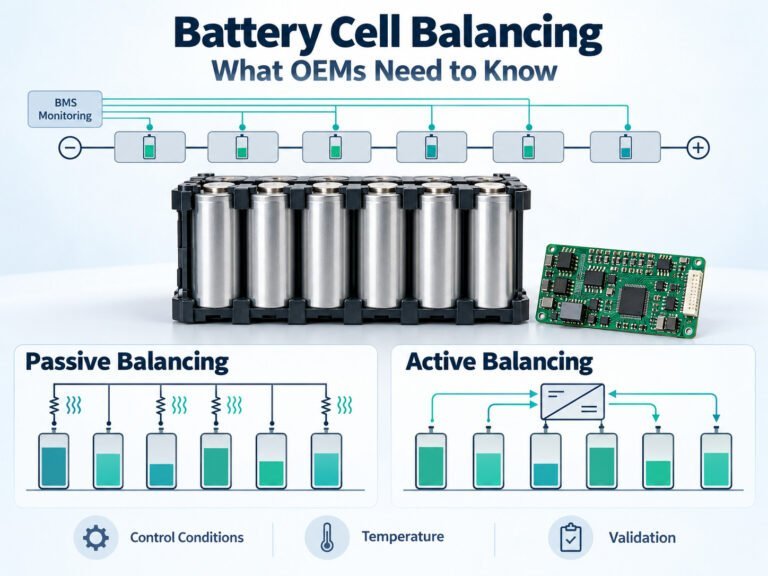
- 셀 밸런싱
- SOC 계산
- 통신 감시
고급 산업용 애플리케이션의 경우, 스마트 BMS 솔루션은 다음을 지원할 수 있습니다:
- CAN
- RS485
- UART
- Modbus 통신
이를 통해 사용자는 배터리 상태를 원격으로 모니터링하고 운영 효율성을 높일 수 있습니다.
제4부: LiFePO4 배터리의 안전성은 배터리 팩 설계에 달려 있다
배터리 셀만으로는 완전한 배터리 솔루션을 구성할 수 없습니다.
전문적인 LiFePO4 배터리 팩 제조업체는 다음 사항을 고려해야 합니다:
세포 선택
고품질 배터리 팩을 제작하려면 다음이 필요합니다:
- A등급 세포
- 세포 일관성 시험
- 용량 매칭
- 내부 저항 매칭
열 관리
배터리 팩에는 다음 사항이 포함되어야 합니다:
- 방열 설계
- 온도 센서
- 셀 간의 적절한 간격
기계적 보호
용도에 따라 배터리 팩에는 다음 사항이 필요할 수 있습니다:
- IP67/IP68 방수 등급
- 진동 내성
- 충격 방지
- 맞춤형 인클로저 설계
제5부: LiFePO4 배터리와 다른 리튬 배터리 화학 구성의 비교
| 기능 | LiFePO4 배터리 | NMC 리튬 배터리 |
|---|---|---|
| 열적 안정성 | 훌륭합니다 | 좋아요 |
| 안전 성과 | 매우 높음 | Medium |
| 주기 수명 | 2,000~5,000회 | 약 1,000~3,000회 |
| 에너지 밀도 | Medium | 더 높은 |
| 비용 | 아래로 | 더 높은 |
| 최고의 애플리케이션 | 산업용, 물류, 전기차 | 장거리 전기차 |
신뢰성과 긴 수명이 최우선으로 고려되는 응용 분야에서는 LiFePO4가 종종 선호되는 솔루션입니다.
제6부. 산업용 LiFePO4 배터리의 장점
더 길어진 주기 수명
기존의 납산 배터리와 비교했을 때, LiFePO4 배터리는 다음과 같은 장점을 제공합니다:
- 더 길어진 서비스 수명
- 교체 주기 단축
- 총 소유 비용 절감
고효율
LiFePO4 배터리의 장점은 다음과 같습니다:
- 안정적인 전압 출력
- 고속 충전 기능
- 뛰어난 방전 성능
다음과 같은 경우에 이상적입니다:
- 지게차 운용
- AGV 연속 운전
- 로봇 시스템
유지보수 부담 감소
납산 배터리와 비교했을 때, 리튬 솔루션은 다음과 같은 문제를 해결합니다:
- 물 리필
- 산 누출 위험
- 정기적인 유지보수
7부. 안전한 LiFePO4 배터리 제조업체를 선택하는 방법은?
리튬 배터리 공급업체를 선정할 때는 다음 사항을 고려하십시오:
1. 제조사의 연구개발 역량을 평가한다
강력한 연구개발 역량으로 더욱 안전한 배터리 설계를 보장합니다
배터리 안전은 설계 단계에서부터 시작됩니다.
전문적인 LiFePO4 배터리 제조업체라면 다양한 적용 분야별 요구 사항에 맞춰 배터리 솔루션을 설계할 수 있는 숙련된 엔지니어링 팀을 갖추고 있어야 합니다.
탄탄한 연구개발(R&D) 체계에는 다음이 포함되어야 합니다:
배터리 시스템 설계
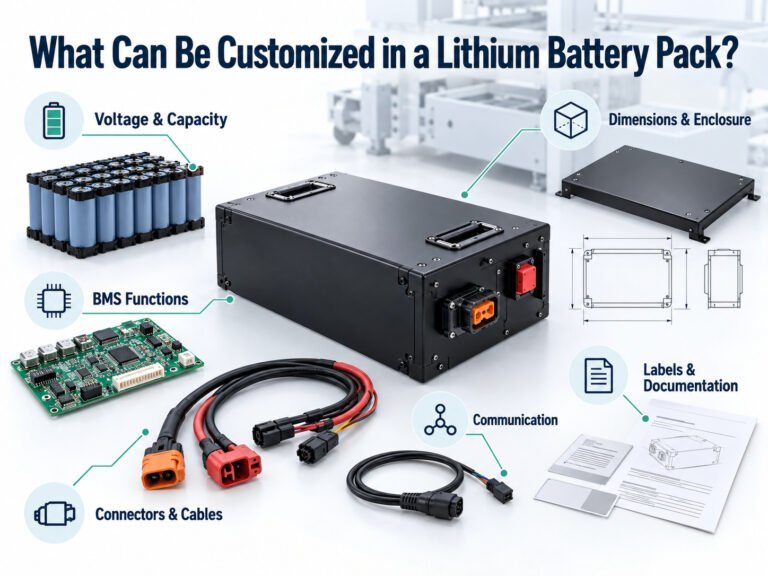
제조사는 다음 사항을 맞춤 설정할 수 있어야 합니다:
- 배터리 전압 및 용량
- 배터리 크기 및 구조
- 방전 성능
- 충전 요건
- 통신 프로토콜
용도에 따라 필요한 배터리 설계도 달라집니다.
예를 들어
- 지게차는 높은 연속 배출 능력이 필요합니다.
- AGV 로봇에는 안정적인 주행 성능이 필요합니다.
- 선박용 배터리는 방수 및 내식성 설계가 필요합니다.
- 에너지 저장 시스템에는 장기적인 신뢰성이 요구됩니다.
BMS 개발 역량
BMS는 배터리 안전성에 영향을 미치는 가장 중요한 구성 요소 중 하나입니다.
신뢰할 수 있는 제조업체는 다음 분야에서 경험을 갖추고 있어야 합니다:
- 배터리 보호 전략 설계
- SOC/SOH 계산
- 셀 밸런싱 기술
- CAN 통신
- RS485 통신
- 스마트 모니터링 시스템
잘 설계된 BMS는 다음을 효과적으로 방지할 수 있습니다:
- 과다 청구
- 과다 방전
- 과전류
- 단락 회로
- 비정상적인 기온 상황
배터리 구조 및 열 설계
전문 제조업체는 다음 사항을 고려해야 합니다:
- 세포 내 구조
- 열 방출
- 기계적 보호
- 방수 설계
- 진동 내성
특히 산업용 애플리케이션의 경우, 배터리 팩은 가혹한 환경에서도 안정적으로 작동해야 합니다.
2. 제조 역량 및 생산 기준 확인
전문적인 제조 공정을 통해 일관된 배터리 품질을 보장합니다
안전한 LiFePO4 배터리는 우수한 셀뿐만 아니라 첨단 제조 공정에도 달려 있습니다.
신뢰할 수 있는 제조업체여야 합니다:
자동화 생산 설비
첨단 생산 라인은 다음을 개선하는 데 도움이 됩니다:
- 조립 정밀도
- 용접 일관성
- 생산 효율성
- 품질 안정성
주요 제조 공정은 다음과 같습니다:
- 세포 선별
- 레이저 용접
- 모듈 조립
- BMS 설치
- 배터리 팩 조립
철저한 셀 관리
배터리 제조업체는 다음 사항을 관리해야 합니다:
- 셀 공급업체 선정
- 세포 등급 분류
- 전압 일관성
- 내부 저항 매칭
- 용량 매칭
세포의 일관성이 떨어지면 다음과 같은 문제가 발생할 수 있습니다:
- 불균일한 노화
- 배터리 용량 감소
- 수명 단축
- 안전 위험 증가
전문적인 제작 환경
자격을 갖춘 리튬 배터리 공장은 다음 요건을 갖추어야 합니다:
- 청결한 생산 구역
- 표준화된 조립 공정
- 경험이 풍부한 기술자
- 추적성 관리
완벽한 생산 관리 시스템을 통해 모든 배터리 팩이 일관된 품질 기준을 충족하도록 보장합니다.
3. 배터리 테스트 시스템 전체 확인
시험을 통해 배터리의 안전성과 신뢰성을 확인합니다
신뢰할 수 있는 LiFePO4 배터리 제조업체는 생산 주기 전체를 아우르는 철저한 테스트 절차를 갖추고 있어야 합니다.
테스트에는 다음이 포함되어야 합니다:
입고 자재 검사
생산 전:
- 배터리 셀 검사
- BMS 점검
- 재료 품질 검증
생산 테스트
제조 과정 중:
- 용접 검사
- 전압 테스트
- 절연 시험
- 배선 검사
배터리 성능 테스트
출하 전:
용량 테스트
배터리가 설계된 용량에 도달하도록 보장합니다.
노화 시험
실제 작동 조건을 시뮬레이션하여 다음 사항을 검증합니다:
- 배터리 안정성
- 충전 및 방전 성능
- 장기적인 신뢰성
안전 시험
포함 사항:
- 과전류 시험
- 과방전 시험
- 단락 시험
- 온도 시험
- 진동 테스트
인증 역량
글로벌 시장의 경우, 제조업체는 다음을 포함한 관련 인증서를 제출해야 합니다:
- UN38.3
- IEC 62133-2
- CE
- RoHS
- UL2271
- EN50604
인증은 배터리 제품이 국제 안전 기준을 충족함을 입증합니다.
4. 사후 서비스 및 기술 지원 평가
믿음직한 지원이 장기적인 파트너십을 만들어 냅니다
배터리 프로젝트는 대개 납품 후에도 지속적인 기술 지원이 필요합니다.
전문적인 LiFePO4 배터리 제조업체는 다음을 제공해야 합니다:
기술 지원
포함:
- 설치 안내
- 배터리 매개변수 조정
- BMS 통신 지원
- 문제 해결 지원
맞춤형 서비스 역량
고객마다 요구 사항이 다릅니다.
신뢰할 수 있는 공급업체는 다음을 지원해야 합니다:
- OEM 배터리 생산
- ODM 배터리 설계
- 맞춤형 배터리 구조
- 소프트웨어 통신 맞춤 설정
장기적인 품질 지원
양질의 사후 서비스에는 다음이 포함되어야 합니다:
- 신속 대응 체계
- 문제 분석
- 교체 방안
- 기술 문서 지원
해외 고객의 경우, 배터리 파트너를 선정할 때 현지 서비스 역량과 원활한 의사소통이 중요한 요소로 작용합니다.
8부. 왜 Yizhan Electronics를 선택해야 하는가? LiFePO4 배터리 솔루션?
동관 이잔 전자 기술 유한회사는 전 세계 고객을 대상으로 맞춤형 리튬 배터리 솔루션을 전문으로 제공합니다.
당사의 역량은 다음과 같습니다:
✅ LiFePO4 배터리 팩 맞춤 제작
✅ OEM 및 ODM 배터리 솔루션
✅ 스마트 BMS 연동
✅ 산업용 배터리 설계
✅ 배터리 테스트 및 노화 검증
✅ 다양한 인증 지원
주요 적용 분야는 다음과 같습니다:
- AGV 및 AMR 로봇
- 지게차
- 골프 카트
- 해양 장비
- 산업용 기계
- 에너지 저장 시스템
Yizhan Electronics는 배터리 설계와 시제품 개발부터 양산에 이르기까지, 고객이 안전하고 신뢰할 수 있는 리튬 배터리 솔루션을 구축할 수 있도록 지원합니다.
결론: LiFePO4 배터리는 안전한가?
LiFePO4 배터리는 뛰어난 안전 성능, 안정적인 화학 반응 특성, 그리고 신뢰할 수 있는 작동 특성을 갖춘 리튬 배터리 기술입니다.
이러한 안전상의 장점은 다음에서 비롯됩니다:
✔ 안정적인 화학 구조
✔ 뛰어난 열 안정성
긴 사이클 수명
✔ 고급 BMS 보호 기능
✔ 전문적인 배터리 팩 설계
그러나 배터리 안전성은 결코 화학 성질만으로 결정되는 것이 아닙니다.
엄격한 품질 관리와 엔지니어링 경험을 갖춘 신뢰할 수 있는 리튬 배터리 제조업체를 선택하는 것이, 배터리의 장기적이고 안전한 성능을 확보하는 핵심입니다.
자주 묻는 질문
Q1: LiFePO4 배터리가 리튬이온 배터리보다 더 안전한가요?
네. LiFePO4 배터리는 일반적으로 다른 많은 리튬이온 배터리 화학 구성에 비해 열적 안정성이 더 뛰어나고 열폭주 위험이 더 낮습니다.
Q2: LiFePO4 배터리는 폭발할 수 있나요?
적절한 보호 장치가 갖춰진 정상적인 작동 조건에서 LiFePO4 배터리의 폭발 위험은 매우 낮습니다. 그러나 과충전, 물리적 손상 또는 제조 결함과 같은 심각한 오용 상황이 발생할 경우 안전상의 위험이 발생할 수 있습니다.
Q3: LiFePO4 배터리의 수명은 얼마나 됩니까?
고품질 LiFePO4 배터리는 사용 조건, 설계 및 배터리 관리 방식에 따라 일반적으로 2,000~5,000회의 충전 주기를 제공합니다.
Q4: LiFePO4 배터리는 산업용 장비에 적합한가요?
네. 긴 수명, 안정적인 성능, 그리고 안전성을 갖춘 덕분에 지게차, AGV, 로봇, 선박 장비 및 에너지 저장 시스템에 적합합니다.
Q5: BMS는 LiFePO4 배터리의 안전성을 어떻게 향상시키나요?
BMS는 전압, 전류, 온도 및 셀 균형을 모니터링하여 배터리를 보호하는 동시에 비정상적인 작동 상태를 방지합니다.
 English
  Chinese
  Japanese
  German
  French
  Korean
