
Lithium iron phosphate batteries (LiFePO4 batteries) have become a preferred energy solution for electric vehicles, industrial equipment, renewable energy storage, robotics, marine applications, and commercial systems due to their high safety, long cycle life, thermal stability, and reliable performance.
However, choosing the right LiFePO4 battery is not simply about selecting the largest capacity. The best battery solution depends on multiple factors, including:
- Betriebsumgebung
- Bewerbungsvoraussetzungen
- Voltage and capacity needs
- Entladungsstrom
- Einbauraum
- Ladehäufigkeit
- Kommunikationsanforderungen
A properly selected LiFePO4 battery can improve equipment reliability, reduce maintenance costs, and extend the overall service life of your system.
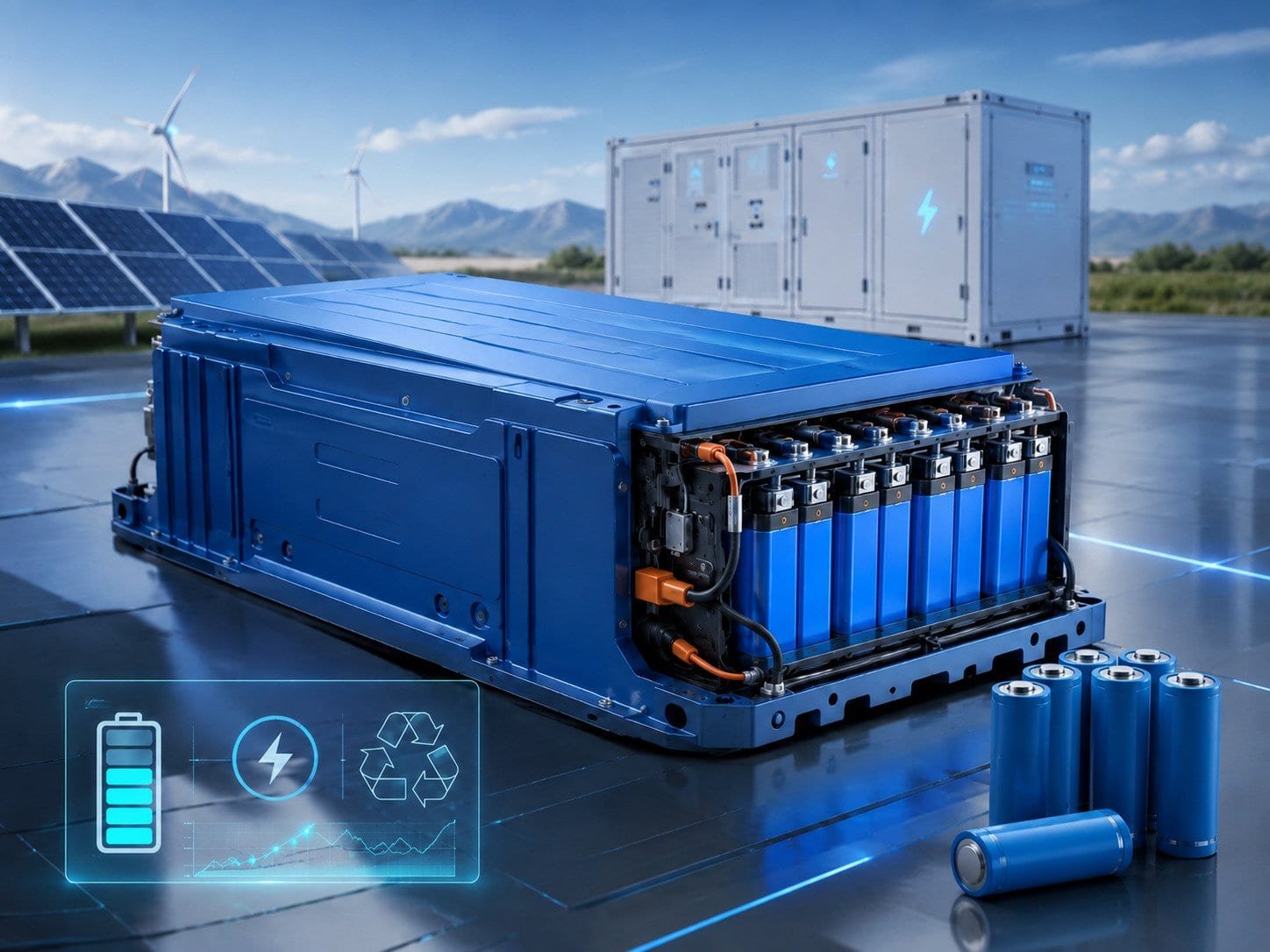
Part 1. How to Choose a LiFePO4 Battery Based on Operating Environment
The working environment directly affects battery performance and lifespan. Temperature, humidity, vibration, and exposure conditions should all be considered before selecting a battery pack.
1.1 LiFePO4 Batteries for Normal Temperature Environments
Suitable Applications:
- Indoor equipment
- Factory automation systems
- Warehouse vehicles
- Energiespeicher für Privathaushalte
- UPS backup power systems
- Communication backup systems
Typical Conditions:
- Temperature range: 0°C to 40°C
- Stable operating environment
- Limited vibration and impact
For standard indoor applications, a conventional LiFePO4 battery pack with a reliable Battery Management System (BMS) is usually sufficient.
Recommended Configuration:
✔ Standard LiFePO4 battery cells
✔ Smart BMS protection
✔ IP65 enclosure protection
✔ Standard charging system
Common Applications:
- Residential energy storage
- Solare Energiespeichersysteme
- Emergency backup power
These applications mainly require:
- Langer Lebenszyklus
- Stabile Leistung
- Safe operation
- Geringer Wartungsaufwand
1.2 LiFePO4 Batteries for Low Temperature Environments
Suitable Applications:
- Outdoor-Ausrüstung
- Cold climate regions
- Refrigerated transportation
- Northern Europe markets
- Outdoor monitoring systems
Low temperatures can reduce lithium battery charging efficiency and discharge performance. Standard batteries may experience reduced capacity when operating below 0°C.
For cold environments, a customized low-temperature battery solution is recommended.
Recommended Features:
✔ Built-in heating system
✔ Temperature monitoring
✔ Smart BMS
✔ Low-temperature charging protection
Example Applications:
| Anmeldung | Recommended Solution |
|---|---|
| RV battery | Heated LiFePO4 battery |
| Outdoor-Ausrüstung | Low-temperature battery pack |
| Electric vehicle | Heating + intelligent BMS |
A properly designed low-temperature LiFePO4 battery ensures stable performance even in harsh winter conditions.
1.3 LiFePO4 Batteries for High Temperature Environments
Suitable Applications:
- Outdoor industrial equipment
- Mining equipment
- Port machinery
- Desert regions
- Automated industrial systems
High temperatures can accelerate battery aging and affect long-term reliability.
When operating in hot environments, battery design should focus on:
- Wärmemanagement
- Protection level
- Cell quality
- BMS temperature monitoring
Recommended Configuration:
✔ High-temperature resistant cells
✔ Aluminum alloy housing
✔ IP67/IP68 waterproof design
✔ Advanced thermal management
Typical Applications:
- AGV-Roboter
- Nutzfahrzeuge
- Outdoor automation equipment
Part 2. How to Select LiFePO4 Batteries Based on Application
Different applications have different requirements. The battery configuration should match the equipment’s working conditions.
2.1 Electric Vehicle LiFePO4 Battery Selection
Anwendungen:
- Elektrische Fahrräder
- Electric tricycles
- Fahrzeuge mit geringer Geschwindigkeit
- Electric cargo bikes
- RVs
When selecting an electric vehicle battery, focus on:
Akku-Spannung
Common systems include:
- 24V
- 36V
- 48V
- 60V
- 72V
The battery voltage must match the motor controller and electrical system.
Batteriekapazität
Battery capacity determines driving range.
Beispiel:
48V 20Ah Battery
Geeignet für:
- Daily commuting
- Nahverkehr
48V 30Ah or Higher Capacity Battery
Geeignet für:
- Long-distance riding
- Heavy-load applications
- Commercial use
Discharge Capability
For applications requiring:
- Hill climbing
- Schwere Lasten
- Fast acceleration
Choose:
✔ High-rate LiFePO4 cells
✔ High-current BMS
✔ Strong continuous discharge capability
2.2 LiFePO4 Battery Solutions for AGV and Robotics
Automated Guided Vehicles (AGV), Autonomous Mobile Robots (AMR), and industrial robots require batteries with high reliability and frequent charging capability.
Typical Requirements:
- Lange Betriebszeiten
- High charging frequency
- Stable communication
- Compact installation design
Recommended Battery Features:
✔ LiFePO4 chemistry
✔ Smart BMS
✔ CAN communication
✔ RS485 communication
✔ Fast charging capability
| Requirement | Recommended Solution |
|---|---|
| Long operation | High-cycle battery cells |
| Intelligente Überwachung | CAN / RS485 BMS |
| Limited space | Customized battery pack |
| Industrial use | Rugged enclosure design |
For robotics applications, the battery is not only a power source but also an intelligent energy management system.
2.3 LiFePO4 Batteries for Golf Carts
Many golf carts are upgrading from traditional lead-acid batteries to lithium iron phosphate batteries.
Advantages of LiFePO4 Golf Cart Batteries:
- Längere Nutzungsdauer
- Reduzierte Wartung
- Schnelleres Laden
- Geringeres Gewicht
- Stabile Leistung
Common Voltage Options:
- 36V LiFePO4 battery
- 48V LiFePO4 battery
- 72V LiFePO4 battery
Capacity Selection:
| Verwendung | Empfohlene Kapazität |
|---|---|
| Personal golf cart | Medium capacity battery |
| Long-distance operation | Large capacity battery |
| Commercial fleet | High-capacity battery system |
2.4 LiFePO4 Batteries for Industrial Equipment
Anwendungen:
- Gabelstapler
- Warehouse vehicles
- Floor cleaning machines
- Fördertechnik
- Industrieroboter
Industrial equipment usually requires:
- High discharge current
- Lange Arbeitszeiten
- Häufige Ladezyklen
- Strong durability
Recommended Configuration:
✔ Large-capacity LiFePO4 cells
✔ Industrial-grade BMS
✔ Shock-resistant structure
✔ Waterproof enclosure
For forklifts and warehouse vehicles, battery selection should consider:
- Stromspitzenbedarf
- Tägliche Öffnungszeiten
- Ladeverfahren
- Arbeitsumfeld
2.5 Marine LiFePO4 Battery Selection
Anwendungen:
- Elektroboote
- Yachts
- Fishing boats
- Marine propulsion systems
Marine environments require batteries with excellent protection because they are exposed to:
- Feuchtigkeit
- Salt spray
- Vibration
- Temperature changes
Recommended Features:
✔ IP67/IP68 waterproof design
✔ Corrosion-resistant enclosure
✔ Smart BMS
✔ High safety LiFePO4 cells
LiFePO4 batteries are widely used in marine applications because of their stable chemistry and safety advantages.
Part 3. How to Select LiFePO4 Battery Capacity and Voltage
3.1 Voltage Matching
The battery voltage must match the equipment system.
Beispiele:
- 24V equipment → 24V LiFePO4 battery pack
- 48V equipment → 51.2V LiFePO4 battery pack
- 72V equipment → 76.8V LiFePO4 battery pack
A professional battery manufacturer can customize voltage, capacity, connectors, and communication systems according to equipment requirements.
3.2 Capacity Calculation
Die Batteriekapazität hängt ab von:
- Equipment power consumption
- Betriebszeit
- Voltage system
Grundlegende Berechnung:
Battery Capacity (Ah) = Power Consumption (Wh) ÷ Battery Voltage (V)
Beispiel:
Equipment power:
500W
Operating time:
4 hours
Energiebedarf:
2000Wh
For a 48V system:
2000Wh ÷ 48V ≈ 42Ah
Recommended solution:
48V 50Ah LiFePO4 battery pack
Part 4. Five Questions Before Choosing a LiFePO4 Battery
1. Where Will the Battery Be Installed?
Bedenken Sie Folgendes:
- Indoor or outdoor installation
- Waterproof requirements
- Platzmangel
- Vibration conditions
2. How Frequently Will the Battery Be Used?
Different usage frequencies require different designs:
| Usage Frequency | Recommended Battery |
|---|---|
| Occasional use | Standard LiFePO4 battery |
| Daily operation | Long-cycle battery |
| 24/7 operation | Industrial-grade battery pack |
3. What Is the Required Discharge Current?
Überprüfen:
- Anlaufstrom des Motors
- Peak load
- Continuous working current
The battery cells and BMS must support the required current.
4. Does the System Require Communication?
Smart applications may require:
- CAN-Bus
- RS485
- UART
- Modbus-Kommunikation
These functions allow:
- Battery monitoring
- Fault diagnosis
- Real-time data management
5. Is a Customized Battery Pack Required?
OEM battery customization is recommended when your equipment requires:
- Sonderabmessungen
- Unique voltage
- Kundenspezifische Steckverbinder
- Extreme environments
Typical custom solutions include:
- 24V robot battery packs
- 48V AGV batteries
- 72V industrial vehicle batteries
- Marine lithium battery systems
Conclusion: Choosing the Right LiFePO4 Battery Solution
Selecting the right lithium iron phosphate battery requires understanding both the application requirements and operating environment.
A suitable battery solution should consider:
✔ Voltage requirements
✔ Capacity needs
✔ Discharge current
✔ Temperature conditions
✔ Protection level
✔ Communication functions
✔ Installation space
Whether you need a battery for an electric vehicle, AGV robot, golf cart, forklift, marine system, or energy storage project, choosing the right LiFePO4 battery design can improve performance, reliability, and long-term cost efficiency.
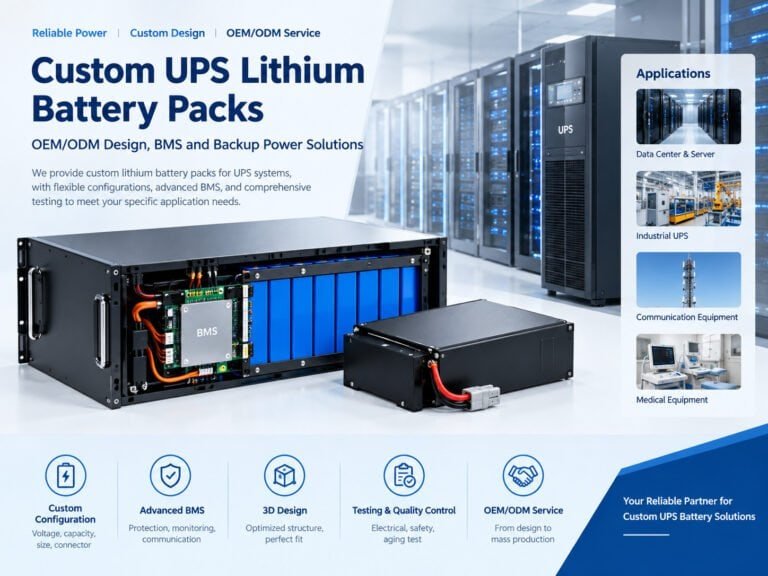
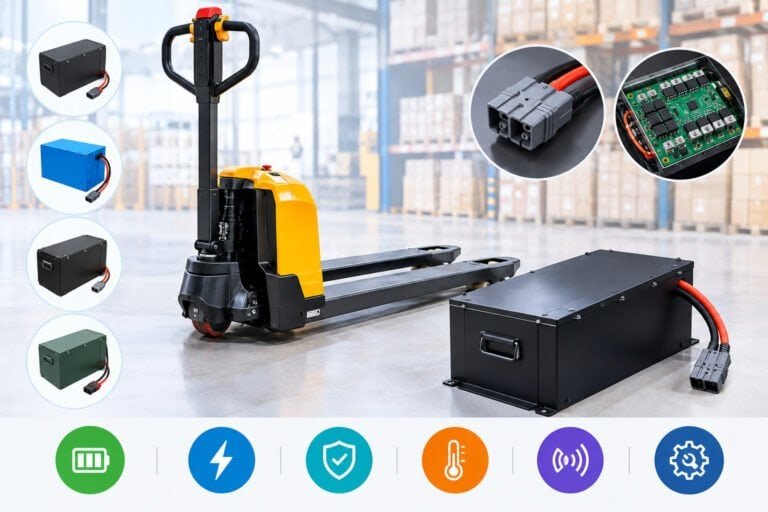
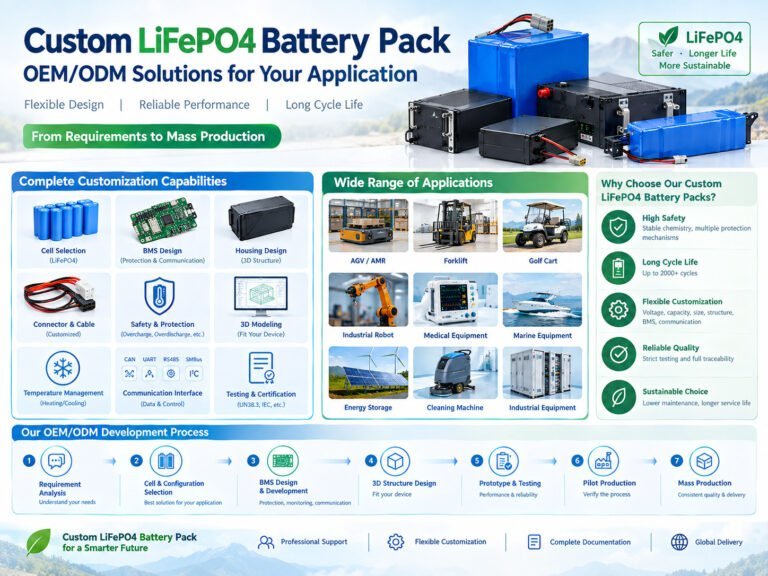
For equipment manufacturers and OEM customers, a customized LiFePO4 battery pack solution provides better compatibility, safety, and performance compared with standard batteries.
 English
  Chinese
  Japanese
  German
  French
  Korean
