
Lithium iron phosphate batteries (LiFePO4 batteries) have become a preferred energy solution for electric vehicles, industrial equipment, renewable energy storage, robotics, marine applications, and commercial systems due to their high safety, long cycle life, thermal stability, and reliable performance.
However, choosing the right LiFePO4 battery is not simply about selecting the largest capacity. The best battery solution depends on multiple factors, including:
- 运行环境
- 申请要求
- Voltage and capacity needs
- 放电电流
- 安装空间
- 充电频率
- 通信要求
A properly selected LiFePO4 battery can improve equipment reliability, reduce maintenance costs, and extend the overall service life of your system.
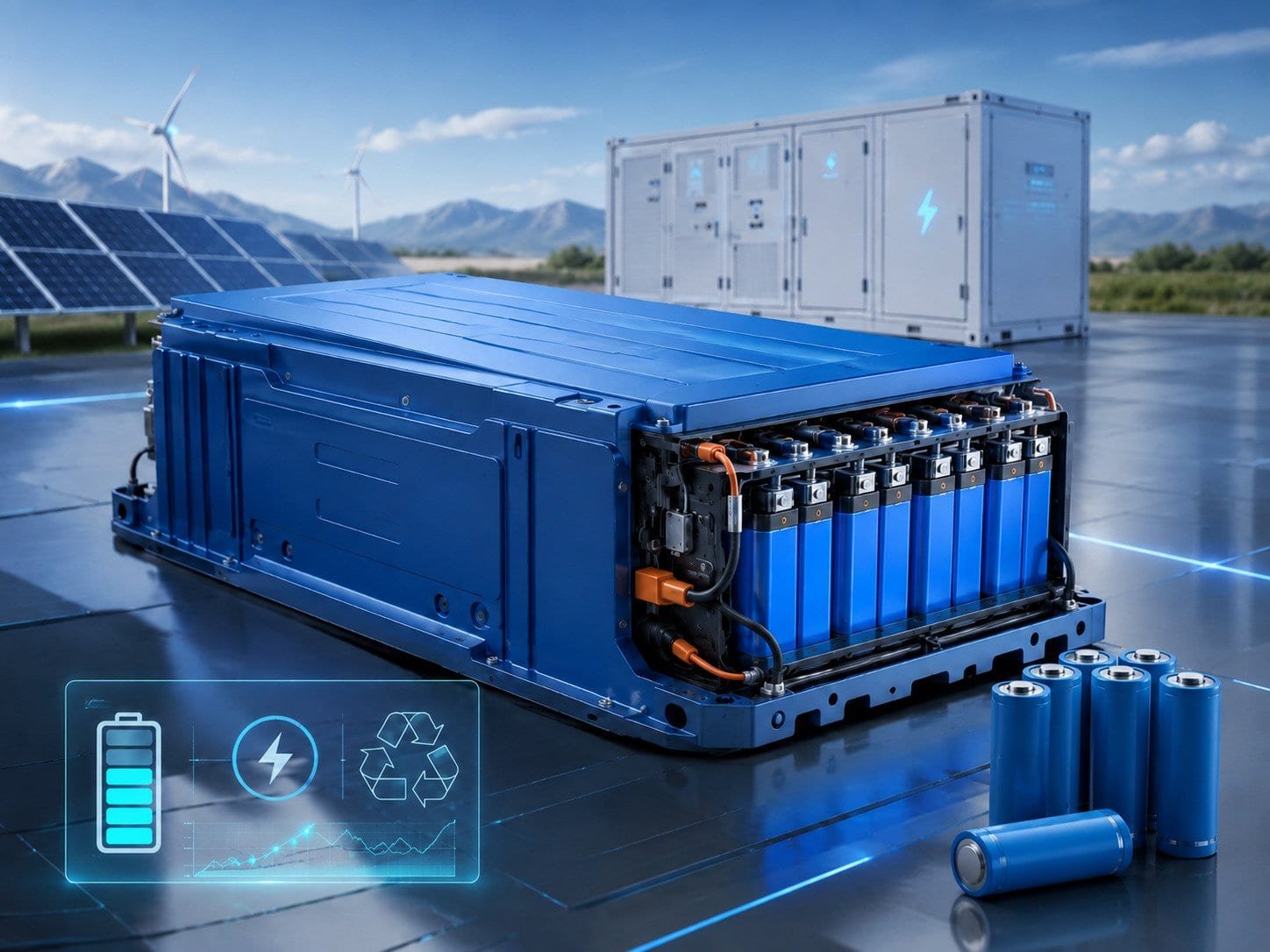
Part 1. How to Choose a LiFePO4 Battery Based on Operating Environment
The working environment directly affects battery performance and lifespan. Temperature, humidity, vibration, and exposure conditions should all be considered before selecting a battery pack.
1.1 LiFePO4 Batteries for Normal Temperature Environments
Suitable Applications:
- Indoor equipment
- Factory automation systems
- Warehouse vehicles
- 家庭储能
- UPS backup power systems
- Communication backup systems
Typical Conditions:
- Temperature range: 0°C to 40°C
- Stable operating environment
- Limited vibration and impact
For standard indoor applications, a conventional LiFePO4 battery pack with a reliable Battery Management System (BMS) is usually sufficient.
Recommended Configuration:
✔ Standard LiFePO4 battery cells
✔ Smart BMS protection
✔ IP65 enclosure protection
✔ Standard charging system
Common Applications:
- Residential energy storage
- 太阳能储存系统
- Emergency backup power
These applications mainly require:
- 循环寿命长
- 稳定的输出
- Safe operation
- 维护成本低
1.2 LiFePO4 Batteries for Low Temperature Environments
Suitable Applications:
- 户外装备
- Cold climate regions
- Refrigerated transportation
- Northern Europe markets
- Outdoor monitoring systems
Low temperatures can reduce lithium battery charging efficiency and discharge performance. Standard batteries may experience reduced capacity when operating below 0°C.
For cold environments, a customized low-temperature battery solution is recommended.
Recommended Features:
✔ Built-in heating system
✔ Temperature monitoring
✔ Smart BMS
✔ Low-temperature charging protection
Example Applications:
| 应用 | Recommended Solution |
|---|---|
| RV battery | Heated LiFePO4 battery |
| 户外装备 | Low-temperature battery pack |
| Electric vehicle | Heating + intelligent BMS |
A properly designed low-temperature LiFePO4 battery ensures stable performance even in harsh winter conditions.
1.3 LiFePO4 Batteries for High Temperature Environments
Suitable Applications:
- Outdoor industrial equipment
- Mining equipment
- Port machinery
- Desert regions
- Automated industrial systems
High temperatures can accelerate battery aging and affect long-term reliability.
When operating in hot environments, battery design should focus on:
- Heat management
- Protection level
- Cell quality
- BMS temperature monitoring
Recommended Configuration:
✔ High-temperature resistant cells
✔ Aluminum alloy housing
✔ IP67/IP68 waterproof design
✔ Advanced thermal management
Typical Applications:
- AGV 机器人
- 工业车辆
- Outdoor automation equipment
Part 2. How to Select LiFePO4 Batteries Based on Application
Different applications have different requirements. The battery configuration should match the equipment’s working conditions.
2.1 Electric Vehicle LiFePO4 Battery Selection
应用:
- 电动自行车
- Electric tricycles
- 低速车辆
- Electric cargo bikes
- RVs
When selecting an electric vehicle battery, focus on:
电池电压
Common systems include:
- 24V
- 36V
- 48V
- 60V
- 72V
The battery voltage must match the motor controller and electrical system.
电池容量
Battery capacity determines driving range.
例如
48V 20Ah Battery
适用对象:
- Daily commuting
- 短途运输
48V 30Ah or Higher Capacity Battery
适用对象:
- Long-distance riding
- Heavy-load applications
- Commercial use
Discharge Capability
For applications requiring:
- Hill climbing
- 重载
- Fast acceleration
Choose:
✔ High-rate LiFePO4 cells
✔ High-current BMS
✔ Strong continuous discharge capability
2.2 LiFePO4 Battery Solutions for AGV and Robotics
Automated Guided Vehicles (AGV), Autonomous Mobile Robots (AMR), and industrial robots require batteries with high reliability and frequent charging capability.
Typical Requirements:
- 运行时间长
- High charging frequency
- Stable communication
- Compact installation design
Recommended Battery Features:
✔ LiFePO4 chemistry
✔ Smart BMS
✔ CAN communication
✔ RS485 communication
✔ Fast charging capability
| Requirement | Recommended Solution |
|---|---|
| Long operation | High-cycle battery cells |
| 智能监控 | CAN / RS485 BMS |
| Limited space | Customized battery pack |
| Industrial use | Rugged enclosure design |
For robotics applications, the battery is not only a power source but also an intelligent energy management system.
2.3 LiFePO4 Batteries for Golf Carts
Many golf carts are upgrading from traditional lead-acid batteries to lithium iron phosphate batteries.
Advantages of LiFePO4 Golf Cart Batteries:
- 使用寿命更长
- 减少维护
- 充电更快
- 减轻重量
- 性能稳定
Common Voltage Options:
- 36V LiFePO4 battery
- 48V LiFePO4 battery
- 72V LiFePO4 battery
Capacity Selection:
| 使用方法 | 建议容量 |
|---|---|
| Personal golf cart | Medium capacity battery |
| Long-distance operation | Large capacity battery |
| Commercial fleet | High-capacity battery system |
2.4 LiFePO4 Batteries for Industrial Equipment
应用:
- 叉车
- Warehouse vehicles
- 地板清洁机
- 物料搬运设备
- 工业机器人
Industrial equipment usually requires:
- High discharge current
- 工作时间长
- 频繁充电
- Strong durability
Recommended Configuration:
✔ Large-capacity LiFePO4 cells
✔ Industrial-grade BMS
✔ Shock-resistant structure
✔ Waterproof enclosure
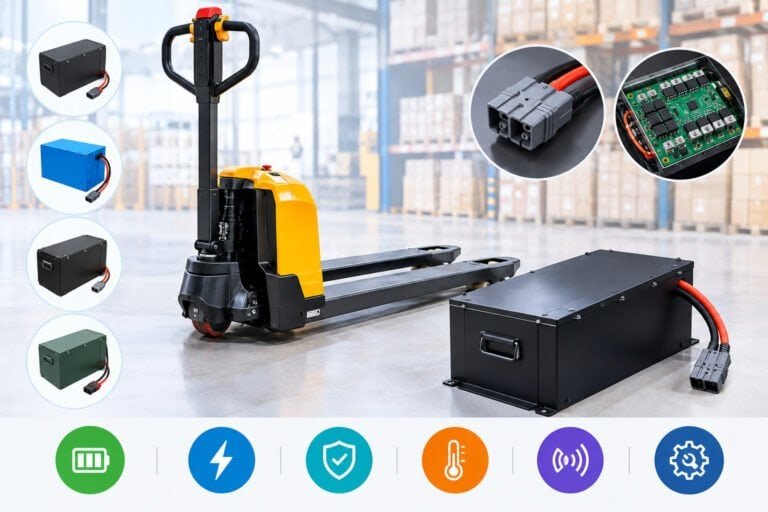
For forklifts and warehouse vehicles, battery selection should consider:
- 当前需求峰值
- 每日营业时间
- 充电方式
- 工作环境
2.5 Marine LiFePO4 Battery Selection
应用:
- 电动船
- Yachts
- Fishing boats
- Marine propulsion systems
Marine environments require batteries with excellent protection because they are exposed to:
- 湿度
- Salt spray
- 振动
- Temperature changes
Recommended Features:
✔ IP67/IP68 waterproof design
✔ Corrosion-resistant enclosure
✔ Smart BMS
✔ High safety LiFePO4 cells
LiFePO4 batteries are widely used in marine applications because of their stable chemistry and safety advantages.
Part 3. How to Select LiFePO4 Battery Capacity and Voltage
3.1 Voltage Matching
The battery voltage must match the equipment system.
例如
- 24V equipment → 24V LiFePO4 battery pack
- 48V equipment → 51.2V LiFePO4 battery pack
- 72V equipment → 76.8V LiFePO4 battery pack
A professional battery manufacturer can customize voltage, capacity, connectors, and communication systems according to equipment requirements.
3.2 Capacity Calculation
电池容量取决于:
- Equipment power consumption
- 运行时间
- Voltage system
基本计算:
Battery Capacity (Ah) = Power Consumption (Wh) ÷ Battery Voltage (V)
例如
Equipment power:
500W
Operating time:
4 hours
所需能量:
2000Wh
For a 48V system:
2000Wh ÷ 48V ≈ 42Ah
Recommended solution:
48V 50Ah LiFePO4 battery pack
Part 4. Five Questions Before Choosing a LiFePO4 Battery
1. Where Will the Battery Be Installed?
请考虑:
- Indoor or outdoor installation
- Waterproof requirements
- 空间限制
- Vibration conditions
2. How Frequently Will the Battery Be Used?
Different usage frequencies require different designs:
| Usage Frequency | 推荐电池 |
|---|---|
| Occasional use | Standard LiFePO4 battery |
| Daily operation | Long-cycle battery |
| 24/7 operation | Industrial-grade battery pack |
3. What Is the Required Discharge Current?
请检查:
- 电动机启动电流
- Peak load
- Continuous working current
The battery cells and BMS must support the required current.
4. Does the System Require Communication?
Smart applications may require:
- CAN总线
- RS485
- UART
- Modbus communication
These functions allow:
- Battery monitoring
- 故障诊断
- Real-time data management
5. Is a Customized Battery Pack Required?
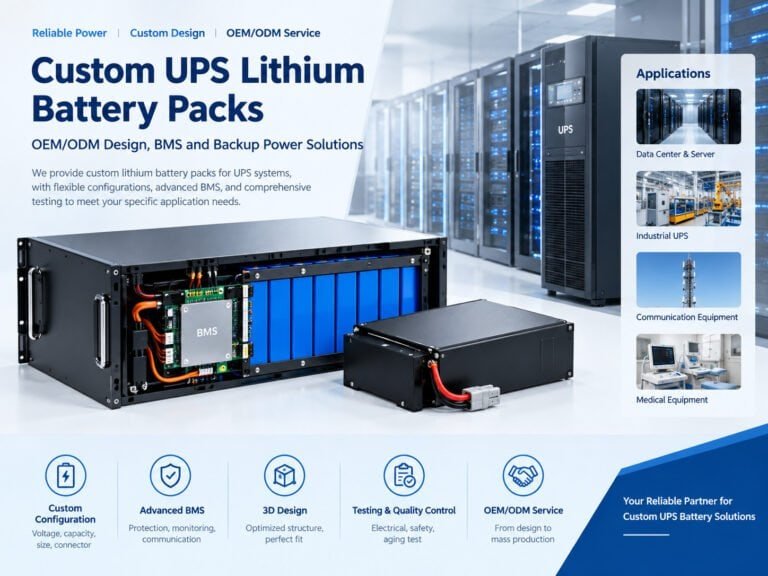
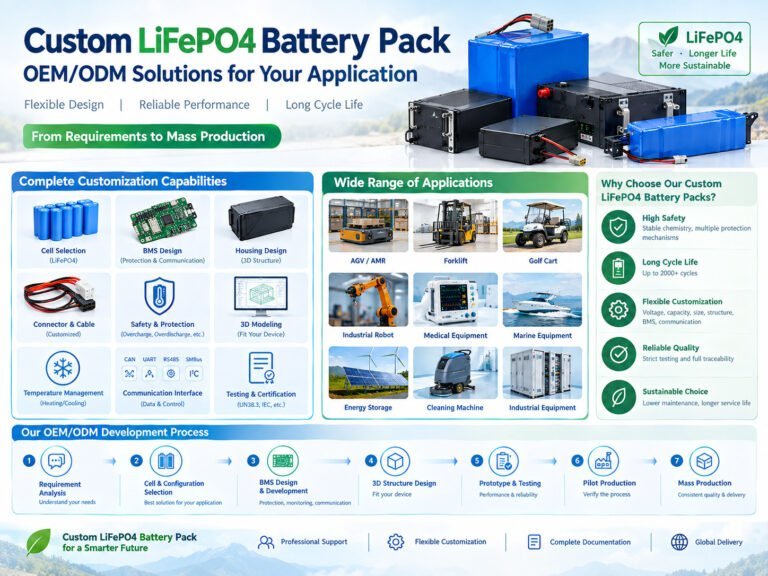
OEM battery customization is recommended when your equipment requires:
- 特殊尺寸
- Unique voltage
- 定制连接器
- Extreme environments
Typical custom solutions include:
- 24V robot battery packs
- 48V AGV batteries
- 72V industrial vehicle batteries
- Marine lithium battery systems
Conclusion: Choosing the Right LiFePO4 Battery Solution
Selecting the right lithium iron phosphate battery requires understanding both the application requirements and operating environment.
A suitable battery solution should consider:
✔ Voltage requirements
✔ Capacity needs
✔ Discharge current
✔ Temperature conditions
✔ Protection level
✔ Communication functions
✔ Installation space
Whether you need a battery for an electric vehicle, AGV robot, golf cart, forklift, marine system, or energy storage project, choosing the right LiFePO4 battery design can improve performance, reliability, and long-term cost efficiency.
For equipment manufacturers and OEM customers, a customized LiFePO4 battery pack solution provides better compatibility, safety, and performance compared with standard batteries.
 English
  Chinese
  Japanese
  German
  French
  Korean
