
Inspektionsroboter kommen in Industrieanlagen, Lagerhäusern, Kraftwerken, Rohrleitungen, im Außenbereich sowie in anderen Umgebungen zum Einsatz, in denen eine regelmäßige Überwachung erforderlich ist. Diese Roboter arbeiten häufig mit Kameras, LiDAR, Sensoren, Kommunikationsmodulen, Motoren und integrierten Computersystemen.
Der Akku ist daher ein wichtiger Bestandteil der Gesamtkonstruktion des Roboters. Ein geeigneter Akku muss genügend Energie für die erforderliche Betriebszeit liefern und gleichzeitig die Anforderungen des Roboters hinsichtlich Spannung, Entladestrom, Größe, Gewicht, Aufladung, Kommunikation und Umgebungsbedingungen erfüllen.
Lithium-Batterien, insbesondere Lithium-Eisenphosphat-Batterien (LiFePO₄), werden aufgrund ihrer Zyklenlebensdauer, ihrer thermischen Eigenschaften und ihrer Eignung für den wiederaufladbaren Betrieb in einigen Inspektionsroboteranwendungen eingesetzt.
In diesem Leitfaden werden die wichtigsten Faktoren erläutert, die bei der Auswahl eines Akkus für einen Inspektionsroboter zu berücksichtigen sind.
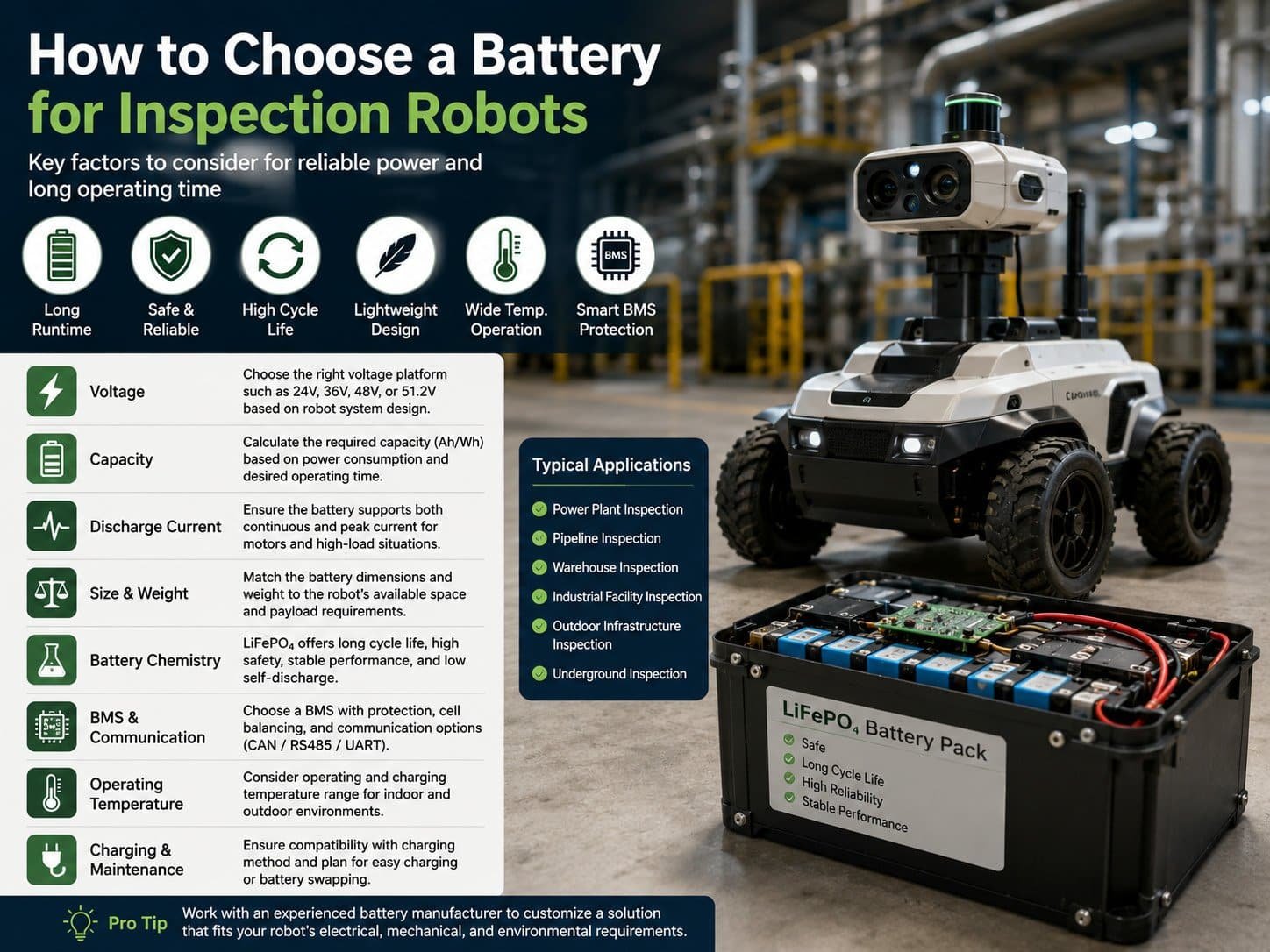
Teil 1: Welche Batterie benötigt ein Inspektionsroboter?
Es gibt keine einheitliche Batteriespezifikation, die für jeden Inspektionsroboter geeignet ist.
Die Anforderungen an die Batterie hängen von folgenden Faktoren des Roboters ab:
- Motorleistung
- Betriebszeit
- Fahrgeschwindigkeit
- Nutzlast
- Sensoren
- Computersystem
- Kommunikationsgeräte
- Betriebsumgebung
- Ladeverfahren
- Verfügbarer Speicherplatz
So benötigt beispielsweise ein kompakter Inspektionsroboter für den Innenbereich möglicherweise einen relativ kleinen Akku, während ein für den Langzeitbetrieb konzipierter Inspektionsroboter für den Außenbereich einen größeren Akku mit höherer Kapazität benötigt.
Der erste Schritt besteht daher darin, die elektrischen und mechanischen Anforderungen des Roboters zu ermitteln, bevor einzelne Zellen oder ein Akkupack ausgewählt werden.
Teil 2. Warum ist der Akku für Inspektionsroboter so wichtig?
Inspektionsroboter müssen unter Umständen mehrere Stunden lang im Einsatz sein und dabei mehrere Systeme kontinuierlich mit Strom versorgen.
Ein typischer Inspektionsroboter kann Folgendes umfassen:
- Antriebsmotoren
- Kameras
- LiDAR
- Infrarotsensoren
- Gassensoren
- Industriesensoren
- Module für die drahtlose Kommunikation
- GPS
- Embedded-Computer
- Steuerungssysteme
- Beleuchtungssysteme
Die Batterie muss diese Komponenten stabil mit Strom versorgen und gleichzeitig die Bewegung des Roboters unterstützen.
Eine Batterie mit unzureichender Kapazität kann die Betriebszeit verkürzen, während eine unzureichende Entladeleistung die Beschleunigung, das Befahren von Steigungen oder andere Vorgänge unter hoher Belastung beeinträchtigen kann.
Teil 3: Wichtige Faktoren bei der Auswahl eines Akkus für einen Inspektionsroboter
1. Batteriespannung
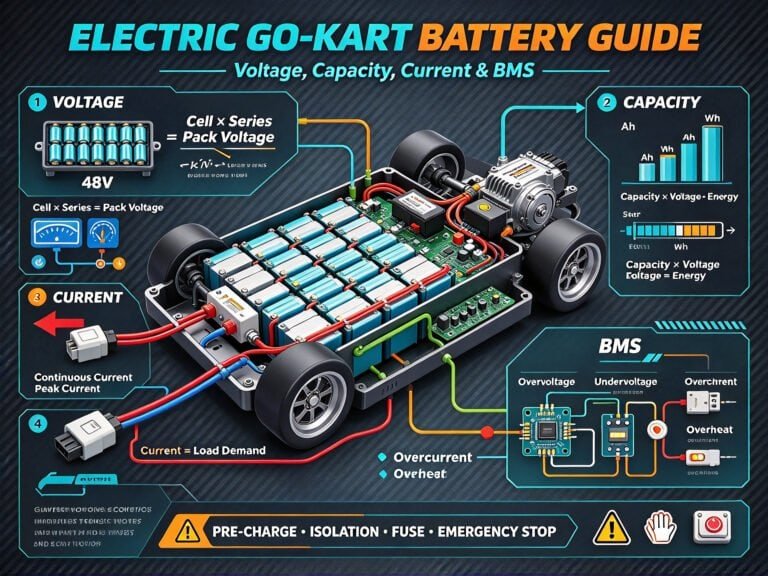
Die Spannung sollte entsprechend dem elektrischen System des Roboters gewählt werden.
Inspektionsroboter können je nach Motoren, Steuerungen, Sensoren und Systemarchitektur unterschiedliche Spannungsplattformen verwenden. Zu den gängigen Batteriekonfigurationen zählen 24-V-, 36-V-, 48-V- und 51,2-V-Systeme, wobei die richtige Spannung anhand der Geräteauslegung ermittelt werden muss.
Achten Sie bei der Auswahl eines Ersatzakkus oder eines Sonderakkus auf Folgendes:
- Spannung der Motorsteuerung
- Betriebsspannung des Motors
- Anforderungen an elektronische Bauteile
- Ladespannung
- Nennspannung der Batterie
- Maximale und minimale Systemspannung
Die Batteriespannung sollte auf das gesamte elektrische System abgestimmt sein und nicht unabhängig davon ausgewählt werden.
2. Akkukapazität
Die Kapazität wird in der Regel in Amperestunden (Ah) oder Wattstunden (Wh) angegeben.
Bei Roboteranwendungen können Wattstunden besonders nützlich sein, da der Energiebedarf sowohl von der Spannung als auch vom Strom abhängt.
Die grundlegende Beziehung lautet:
Energie (Wh) = Spannung (V) × Kapazität (Ah)
Beispielsweise hat eine 24-V-Batterie mit 40 Ah eine Nennkapazität von ungefähr:
24 V × 40 Ah = 960 Wh
Die tatsächlich nutzbare Energie hängt von der Batteriechemie, den Betriebsbedingungen, der Entladerate, den BMS-Einstellungen und weiteren Systemfaktoren ab.
Berücksichtigen Sie bei der Schätzung der Akkukapazität den durchschnittlichen Stromverbrauch und die voraussichtliche Betriebsdauer.
Energiebedarf ≈ Durchschnittsleistung × Betriebszeit
Eine geeignete Auslegung sollte auch den Energieverbrauch durch Beschleunigung, Steigungen, Sensoren, Rechnerausrüstung, Kommunikationssysteme und andere Lasten berücksichtigen.
3. Dauer- und Spitzenstrom
Die Kapazität ist nicht die einzige wichtige elektrische Kenngröße.
Der Akku muss zudem ausreichend Strom für die voraussichtlich höchste Belastung des Roboters liefern.
Antriebsmotoren können während folgender Vorgänge kurzzeitig erhöhte Stromstärken erzeugen:
- Start
- Beschleunigung
- Klettern
- Drehen
- Beförderung von Nutzlasten
- Überqueren von unebenem Untergrund
Daher sollten die Batteriespezifikationen beides enthalten:
- Kontinuierlicher Entladestrom
- Spitzenableitstrom
Das BMS muss außerdem in der Lage sein, den erforderlichen Strom zu bewältigen, ohne die Batterie während des normalen Roboterbetriebs unnötig zu trennen.
4. Größe und Gewicht des Akkus
Inspektionsroboter verfügen nur über begrenzten Innenraum, und das Gewicht der Batterie kann sich direkt auf die Mobilität auswirken.
Bei der Auslegung eines Akkupakets sind folgende Messungen vorzunehmen:
- Länge
- Breite
- Höhe
- Einbaulage
- Befestigungspunkte
- Anschlussposition
- Kabelverlegung
Auch die Gewichtsverteilung sollte berücksichtigt werden.
Eine Batterie, die zu weit vom vorgesehenen Schwerpunkt entfernt eingebaut ist, kann die Stabilität oder die Bewegungseigenschaften des Roboters beeinträchtigen.
Bei mobilen Inspektionsrobotern kann ein kompaktes Akku-Design dazu beitragen, dass der verfügbare Innenraum der Geräte effizienter genutzt wird.
5. Batteriechemie
Unterschiedliche Batteriechemien weisen unterschiedliche Eigenschaften auf.
Lithium-Ionen-Akkus
NMC und andere Lithium-Ionen-Chemien können eine relativ hohe Energiedichte bieten, was nützlich sein kann, wenn der Platz und das Gewicht der Batterie begrenzt sind.
LiFePO4-Batterien
LiFePO₄, auch Lithium-Eisenphosphat genannt, ist eine weitere Lithium-Ionen-Chemie, die in wiederaufladbaren Batteriesystemen zum Einsatz kommt.
Zu den möglichen Merkmalen gehören:
- Langer Lebenszyklus
- Stabile thermische Eigenschaften
- Geringe Selbstentladung
- Gute Entladungsleistung
- Geeignete Leistung für wiederholtes Laden und Entladen
LiFePO4 kommt in Betracht, wenn ein Inspektionsroboter regelmäßige Ladezyklen benötigt und ein wiederaufladbares Batteriesystem erforderlich ist, das für den wiederholten Betrieb ausgelegt ist.
Die Wahl der Batteriechemie sollte sich jedoch nach dem Gesamtkonzept des Roboters richten, anstatt davon auszugehen, dass eine bestimmte Chemie für jede Anwendung geeignet ist.
6. Batteriemanagementsystem
Ein Batteriemanagementsystem (BMS) ist ein wichtiger Bestandteil eines Lithium-Akkupacks.
Das BMS kann folgende Parameter überwachen und steuern:
- Zellspannung
- Pack-Spannung
- Ladestrom
- Entladungsstrom
- Temperatur
- Ladezustand (State of Charge, SOC)
- Zellausgleich
Zu den Schutzfunktionen können gehören:
- Schutz vor Überladung
- Schutz vor Überentladung
- Überstromschutz
- Kurzschlussschutz
- Schutz vor Überhitzung
- Kälteschutz
Auch bei Inspektionsrobotern kann die BMS-Kommunikation von Nutzen sein.
Je nach Robotersteuerung können folgende Kommunikationsschnittstellen vorhanden sein:
- CAN
- CAN-FD
- RS485
- UART
- Modbus
Das Kommunikationsprotokoll sollte auf die Steuerungsarchitektur des Roboters abgestimmt sein.
7. Betriebstemperatur
Inspektionsroboter können sowohl im Innen- als auch im Außenbereich eingesetzt werden.
Bei Anwendungen im Freien kann der Akku folgenden Einflüssen ausgesetzt sein:
- Hohe Temperaturen
- Niedrige Temperaturen
- Temperaturschwankungen
- Luftfeuchtigkeit
- Staub
- Regen oder Feuchtigkeit
Die Temperatur beeinflusst die Akkuleistung und das Ladeverhalten.
Bei Lithium-Batterien erfordert das Laden bei niedrigen Temperaturen besondere Aufmerksamkeit. Ein maßgeschneiderter Akku kann je nach den zu erwartenden Betriebsbedingungen eine Temperaturüberwachung und einen entsprechenden BMS-Schutz integrieren.
Die Betriebs- und Ladetemperaturbereiche der Batterie sollten vor der endgültigen Festlegung des Batterieentwurfs überprüft werden.
8. Anforderungen an die Aufladung
Die Ladezeit kann sich auf die Verfügbarkeit des Roboters auswirken.
Bevor Sie sich für eine Batterie entscheiden, sollten Sie Folgendes klären:
- Ladespannung
- Ladestrom
- Aufladezeit
- Ladeverfahren
- Ladegerätetyp
- Ladehäufigkeit
- Anforderungen an die automatische Aufladung
Manche Inspektionsroboter kehren automatisch zu einer Ladestation zurück, sobald der Akkustand einen festgelegten Ladezustand (SOC) erreicht.
Für diese Art von Anwendung müssen Akku und Ladegerät als kompatibles System ausgelegt sein.
Wenn der Roboter im Dauerbetrieb läuft, kann auch ein Batteriewechsel in Betracht gezogen werden. Ein austauschbarer Akku ermöglicht es, dass eine Batterie im Einsatz ist, während eine andere aufgeladen wird.
9. Kommunikation mit dem Akku
Bei hochentwickelten Inspektionsrobotern kann es erforderlich sein, dass die Batterie mit der Hauptsteuerung kommuniziert.
Die Batteriekommunikation kann folgende Informationen liefern:
- SOC
- Batteriespannung
- Aktuell
- Temperatur
- Ladezustand
- Fehlerstatus
- Verbleibende Kapazität
Je nach Gerätearchitektur kommen für die Kommunikation bei Industriebatterien üblicherweise CAN und RS485 in Betracht.
Die Kommunikationsanforderungen sollten bereits in der Entwurfsphase des Akkus festgelegt werden und nicht erst hinzugefügt werden, nachdem der Akku bereits fertiggestellt ist.
10. Mechanischer Schutz
Inspektionsroboter können während des Betriebs Vibrationen und mechanischen Stößen ausgesetzt sein.
Das Batteriegehäuse sollte daher entsprechend der Betriebsumgebung des Roboters ausgelegt werden.
Je nach Anwendungsfall sind für den Akku möglicherweise folgende Komponenten erforderlich:
- Schutzgehäuse
- Sichere Befestigung
- Vibrationsbeständige Konstruktion
- Geeignete Steckverbinder
- Kabelschutz
- Feuchtigkeitsschutz
- Staubschutz
Bei Inspektionsrobotern für den Außenbereich sollten die Anforderungen an das Gehäuse und die Abdichtung im Zusammenhang mit dem allgemeinen Schutzkonzept des Roboters bewertet werden.
Teil 4: So berechnen Sie die erforderliche Batteriekapazität
Eine einfache Leistungsberechnung kann mit dem durchschnittlichen Stromverbrauch des Roboters beginnen.
Wenn beispielsweise ein Inspektionsroboter durchschnittlich 400 W verbraucht und 4 Stunden lang in Betrieb sein muss:
400 W × 4 h = 1.600 Wh
Ausgangspunkt für die Berechnung wäre ein Batteriesystem mit einer Nennenergie von etwa 1.600 Wh.
Die tatsächliche Batteriekapazität sollte jedoch in der Regel eine angemessene Auslegungsreserve beinhalten, da nicht die gesamte Nennenergie der Batterie zwangsläufig für den praktischen Betrieb zur Verfügung steht.
Faktoren wie:
- Grenzwerte für die Batterieentladung
- Temperatur
- Motorlast
- Batteriealterung
- BMS-Einstellungen
- Terrain
- Nutzlast
- Sensorlast
kann sich auf die tatsächliche Betriebszeit auswirken.
Teil 5. Beispiel: 48-V-Batterie für Inspektionsroboter
Angenommen, ein Inspektionsroboter verfügt über ein 48-V-Bordnetz und hat eine durchschnittliche Leistungsaufnahme von 500 W.
Wenn die angestrebte Betriebszeit 4 Stunden beträgt:
500 W × 4 h = 2.000 Wh
Eine 48-V-Batterie mit 40 Ah liefert ungefähr:
48 V × 40 Ah = 1.920 Wh
Dies mag zwar in etwa dem berechneten Energiebedarf entsprechen, doch sollte die endgültige Batteriekapazität unter Berücksichtigung der nutzbaren Energie, der Betriebsbedingungen und der Systemverluste ermittelt werden.
Bei einem maßgeschneiderten Akkupack kann die Zellenkonfiguration dann entsprechend der erforderlichen Spannung, Kapazität, Entladestromstärke, den Abmessungen und den BMS-Anforderungen ausgewählt werden.
Teil 6. Warum LiFePO4 für Inspektionsroboter in Betracht gezogen werden kann
LiFePO4-Akkus kommen für Inspektionsroboter in Frage, die häufig geladen und entladen werden müssen.
Zu den möglichen Vorteilen zählen:
Lange Lebensdauer
Inspektionsroboter werden unter Umständen häufig eingesetzt, was zu wiederholten Lade- und Entladezyklen der Batterie führt. Eine Batteriechemie, die für wiederholte Lade- und Entladezyklen ausgelegt ist, kann bei diesen Anwendungen von Vorteil sein.
Stabile thermische Eigenschaften
LiFePO4 ist für seine thermischen Eigenschaften bekannt, die für mobile Geräte, die in unterschiedlichen Umgebungen eingesetzt werden, von Bedeutung sein können.
Geringe Selbstentladung
Eine geringere Selbstentladung kann dazu beitragen, Energieverluste in Zeiten zu reduzieren, in denen der Roboter nicht in Betrieb ist.
BMS-Integration
Ein LiFePO4-Akku kann mit einem BMS ausgestattet sein, um den Zustand der Zellen und des Akkus zu überwachen und Schutzfunktionen bereitzustellen.
Diese Eigenschaften machen eine korrekte Auslegung der Batterie jedoch nicht überflüssig. Die Auswahl der Zellen, die elektrische Konfiguration, die BMS-Parameter, die Gehäuseauslegung, die Ladestrategie und die Betriebstemperatur müssen weiterhin geprüft werden.
Teil 7: Maßgeschneiderte Akkupacks für Inspektionsroboter
Roboterhersteller können unterschiedliche Anforderungen hinsichtlich Spannung, Kapazität, Größe, Stromstärke, Kommunikation und Installation haben.
Auf der Grundlage dieser Anforderungen kann ein maßgeschneiderter Akku entwickelt werden.
Der Anpassungsprozess kann Folgendes umfassen:
- Legen Sie die elektrischen Anforderungen des Roboters fest
- Spannungs- und Energiebedarf ermitteln
- Dauerstrom und Spitzenstrom berechnen
- Batteriezellen auswählen
- Entwerfen Sie die Zellenkonfiguration
- Das BMS konfigurieren
- Entwerfen Sie das Batteriegehäuse
- Steckverbinder und Kabel auswählen
- Elektrische und mechanische Prüfungen durchführen
- Lade- und Kommunikationsfunktionen überprüfen
Dieser Ansatz kann sinnvoll sein, wenn eine Standardbatterie nicht in den verfügbaren Platz im Roboter passt oder dessen Anforderungen hinsichtlich Stromversorgung und Kommunikation nicht erfüllt.
Teil 8: Batterietests für Inspektionsroboteranwendungen
Vor dem Einsatz sollte der Akku unter Bedingungen geprüft werden, die für die vorgesehene Anwendung repräsentativ sind.
Die Tests können Folgendes umfassen:
- Prüfung der Kapazität
- Prüfung von Ladung und Entladung
- Prüfung des Überstromschutzes
- Prüfung des Kurzschlussschutzes
- Temperaturprüfung
- Prüfung der BMS-Kommunikation
- Vibrationsprüfung
- Prüfung von Steckverbindern
- Gehäusetests
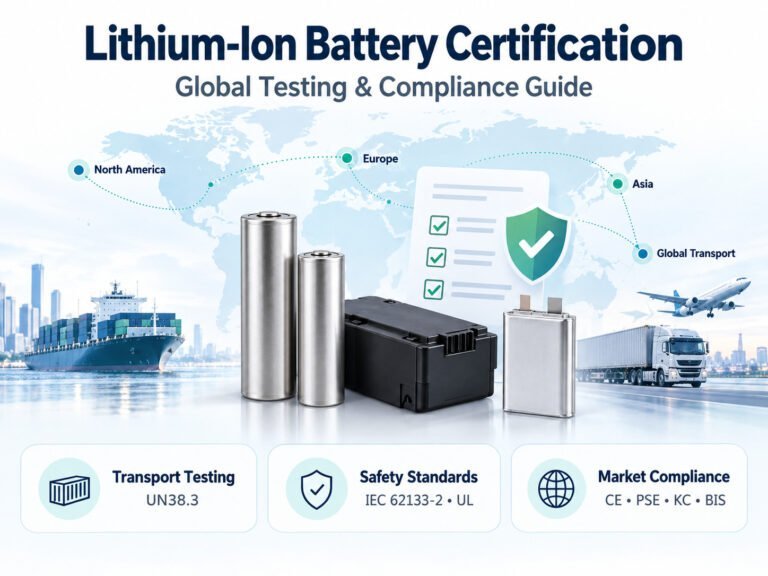
Die konkreten Prüfverfahren und die erforderlichen Zertifizierungen hängen von der Bauart der Batterie, den Transportanforderungen, dem Zielmarkt und der endgültigen Anwendung ab.
Teil 9: So wählen Sie einen Hersteller für Inspektionsroboter-Akkus aus
Berücksichtigen Sie bei der Beschaffung eines maßgeschneiderten Akkus für einen Inspektionsroboter, ob der Hersteller die technischen Anforderungen des Projekts erfüllen kann.
Zu den wichtigen Faktoren zählen:
- Auswahl der Batteriezellen
- PACK-Entwicklungskapazitäten
- BMS-Entwicklung
- Konstruktion
- Kommunikationsprotokolle
- Entwicklung von Prototypen
- Batterieprüfung
- Qualitätsmanagement
- Unterstützung bei der Zertifizierung
- OEM-/ODM-Kompetenz
Es ist außerdem sinnvoll, dem Batteriehersteller detaillierte Angaben zum Gerät zu übermitteln, darunter Spannung, Leistungsaufnahme, Betriebsdauer, Spitzenstrom, Abmessungen, Lademethode, Betriebstemperatur und Kommunikationsanforderungen.
Je vollständiger die technischen Informationen sind, desto einfacher ist es, einen zum Roboter passenden Akku zu entwickeln.
FAQ
Welcher Akkutyp eignet sich für einen Inspektionsroboter?
Für Inspektionsroboter kommen Lithium-Ionen- und LiFePO4-Akkus in Frage. Die geeignete Chemie hängt vom Energiebedarf, dem Gewicht, der Betriebsumgebung, den Anforderungen an die Zyklenfestigkeit und dem elektrischen System des Roboters ab.
Eignet sich LiFePO4 für Inspektionsroboter?
LiFePO4 kann für Inspektionsroboter geeignet sein, die wiederaufladbare Batteriesysteme mit wiederholten Lade- und Entladezyklen erfordern. Bei der endgültigen Auslegung der Batterie sollten Spannung, Kapazität, Entladestrom, BMS, Ladevorgang, Temperatur sowie mechanische Anforderungen berücksichtigt werden.
Wie lange kann ein Inspektionsroboter mit einer Akkuladung laufen?
Die Betriebsdauer hängt von der Batteriekapazität und dem durchschnittlichen Stromverbrauch des Roboters ab. Eine grobe Schätzung lässt sich vornehmen, indem man die Batteriekapazität in Wh durch den durchschnittlichen Stromverbrauch in W teilt.
Welche Spannung hat der Akku eines Inspektionsroboters?
Es gibt keine einheitliche Spannung. Inspektionsroboter können je nach Motor, Steuerung, Sensoren und Systemarchitektur unterschiedliche Spannungsplattformen verwenden.
Benötigt ein Inspektionsroboter ein BMS?
Lithium-Akkus erfordern in der Regel ein geeignetes BMS zur Überwachung und zum Schutz des Akkus. Bei Roboteranwendungen kann das BMS zudem mit der Hauptsteuerung des Roboters kommunizieren.
Kann ein Inspektionsroboter einen speziell angefertigten Akku verwenden?
Ja. Ein maßgeschneiderter Akku kann unter Berücksichtigung der Spannung, Kapazität, Stromstärke, Abmessungen, Anschlüsse, des BMS, des Kommunikationsprotokolls und der Einbauanforderungen des Roboters entwickelt werden.
Schlussfolgerung
Bei der Auswahl eines Akkus für einen Inspektionsroboter muss das gesamte Stromversorgungssystem berücksichtigt werden, anstatt sich allein auf die Kapazität zu konzentrieren.
Spannung, Energiekapazität, Entladestrom, Abmessungen, Gewicht, Batteriechemie, BMS, Laden, Temperatur, Kommunikation und mechanischer Schutz sollten alle im Entwurfsprozess berücksichtigt werden.
LiFePO4-Batterien kommen für Inspektionsroboter in Frage, die wiederholtes Laden und Entladen, einen stabilen Batteriebetrieb und ein integriertes Batteriemanagementsystem erfordern. Für OEM-Roboterhersteller kann zudem ein maßgeschneiderter Akku entwickelt werden, der auf die elektrischen, mechanischen und umgebungsbezogenen Anforderungen des Roboters abgestimmt ist.
Ein gut konzipierter Akku kann die vom Roboter benötigten elektrischen Eigenschaften bereitstellen, sich gleichzeitig in den verfügbaren Einbauraum einfügen und den vorgesehenen Betriebszyklus unterstützen.
 English
  Chinese
  Japanese
  German
  French
  Korean
