
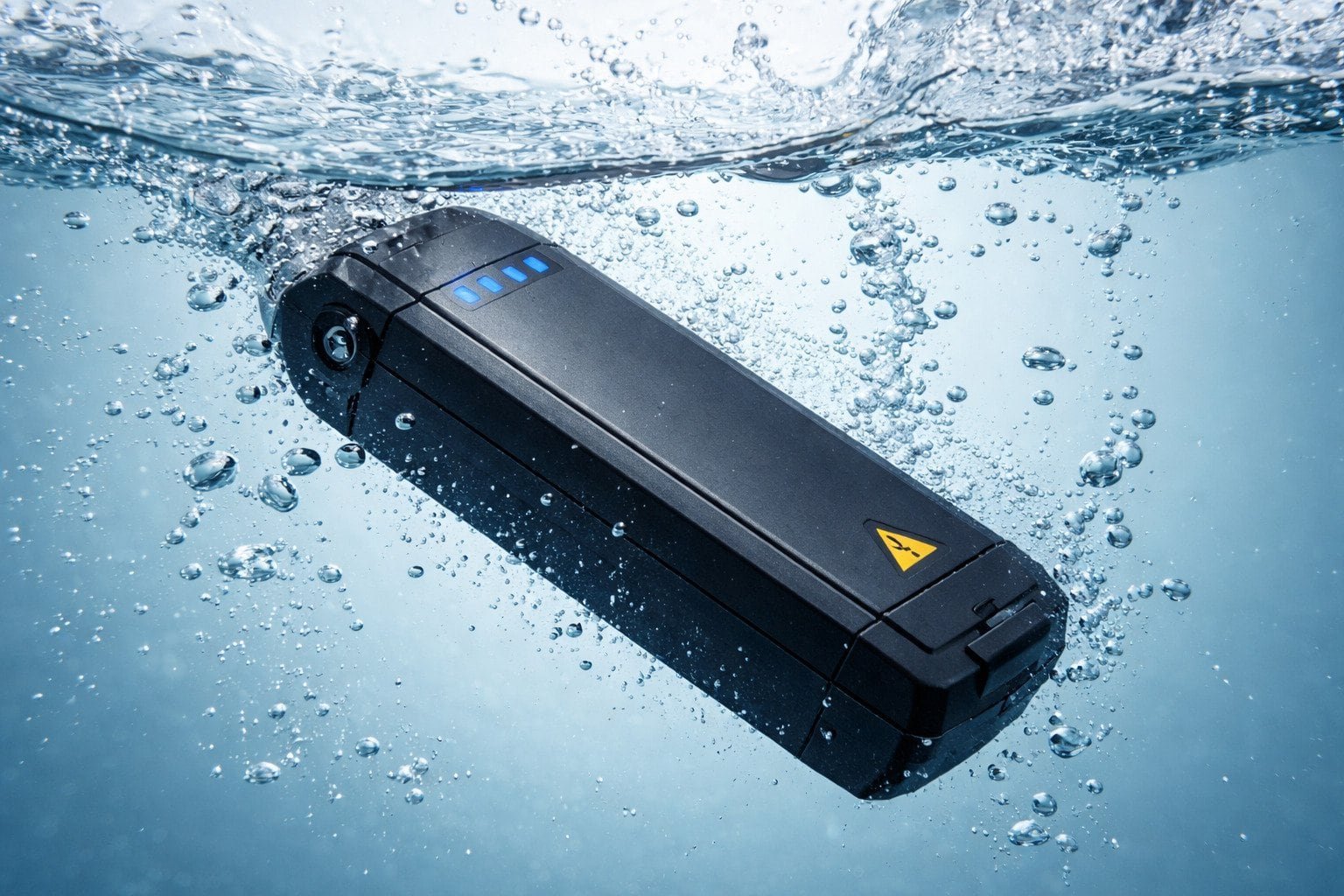
Lithium-ion batteries are the cornerstone of modern energy storage, powering a wide range of devices from transportation and industrial robots to portable electronics and marine equipment. While these batteries are reliable and efficient, water exposure remains one of the most underestimated risks to battery safety. Even brief contact with water can compromise battery performance and lifespan, and in extreme cases, may lead to fire or explosion. This article explores what happens when lithium-ion batteries encounter water and provides a comprehensive guide to protective measures.
Part 1:Understanding the Risks of Water Exposure for Lithium-Ion Batteries
Water, though essential to life, is highly detrimental to lithium-ion batteries. The chemical and electronic components inside these batteries are extremely sensitive to moisture, which can trigger a series of adverse effects:
1.Risk of Short Circuits
Lithium-ion batteries consist of multiple cells connected via conductive pathways. When water penetrates the battery casing, it can create unintended conductive bridges between the positive and negative electrodes. This may cause short circuits, internal overheating, or even thermal runaway, potentially resulting in fire or explosion.
2.Electrolyte Contamination
Within each lithium-ion cell, the electrolyte facilitates ion movement between electrodes. Water intrusion can chemically react with the electrolyte, reducing its efficiency. This leads to lower battery capacity, increased internal resistance, and shortened overall lifespan.
3.Corrosion of Internal Components
Water accelerates corrosion of the battery’s metallic components, including tabs, connectors, and solder joints. Corrosion weakens electrical connections and may cause permanent damage that is not visible to the naked eye.
4.Safety Hazards in Saltwater
Saltwater is far more conductive than freshwater. Batteries exposed to seawater are at higher risk of rapid corrosion, short circuits, and related safety incidents. Marine and offshore equipment require specialized battery protection to mitigate these hazards.
Part 2:Immediate Actions for a Wet Battery
If a lithium-ion battery comes into contact with water, following proper emergency procedures is crucial:
- Do not use or charge the battery. Charging a wet battery can trigger thermal runaway.
- Do not attempt to disassemble the battery. The internal components are highly sensitive, and improper handling may be dangerous.
- Isolate the battery from flammable materials. If possible, place it in a fireproof container.
- Contact a professional battery service provider. They can safely assess the battery condition and dispose of it if necessary.
Even if the battery appears undamaged externally, internal short circuits may already exist. Using it without inspection poses a significant risk.
Part 3:Protective Measures for Lithium-Ion Batteries
Preventing water damage is far more effective than remediation. The following strategies can enhance battery safety:
1.Choose Batteries with High IP Ratings
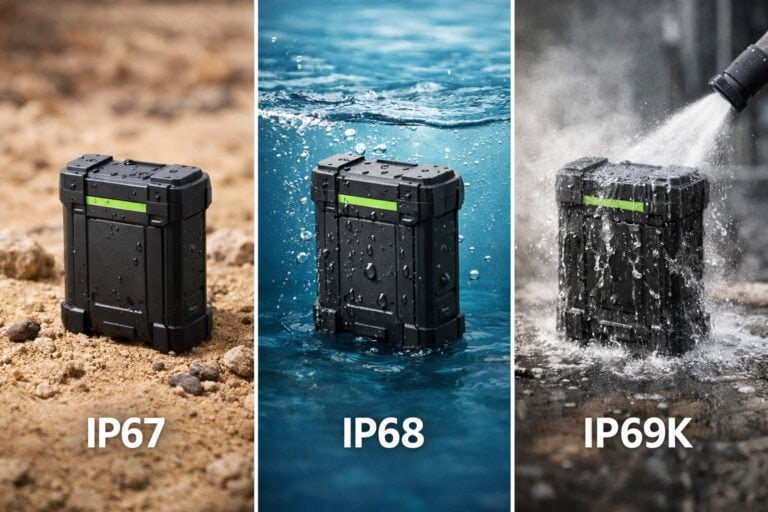
IP (Ingress Protection) ratings indicate a battery’s resistance to solids and liquids. Selecting the appropriate IP rating is essential for your application:
- IP65: Protected against water jets. Suitable for light outdoor exposure.
- IP67: Can withstand temporary immersion (up to 1 meter for 30 minutes). Ideal for 전기 자전거, AGVs, and outdoor electronics.
- IP68: Can endure continuous immersion. Essential for marine and extreme outdoor applications.
Higher IP-rated batteries prevent water ingress while ensuring operational reliability.
2.Optimize Battery Case Design
High-quality batteries incorporate advanced structural designs to improve waterproofing:
- One-piece sealed casing
- Silicone gaskets for airtight sealing
- Waterproof connectors and terminals
- Comprehensive pressure and leak testing during manufacturing
A robust casing prevents water from reaching sensitive internal components.
3.Enhanced Battery Management System (BMS)
Modern BMS not only balances and monitors battery performance but also adds waterproof protection:
- Waterproof coating on the BMS circuit board
- Enhanced insulation and short-circuit protection
- Real-time monitoring for temperature, voltage, and current anomalies
A BMS serves as the first line of defense against unexpected moisture exposure.
4.Conduct Rigorous Quality and Safety Testing
Reputable manufacturers perform multiple tests before releasing batteries:
- Leak and airtightness tests to detect potential ingress points
- Immersion tests to ensure the battery can withstand water exposure according to its IP rating
- Aging and cycle tests to assess long-term durability
These tests ensure that every battery meets industry safety standards and performs reliably even in humid or rainy environments.
Application-Specific Recommendations
Different applications require varying levels of water protection. The general guideline is as follows:
| 애플리케이션 | Recommended IP Rating |
| Indoor AGV Robots | IP54 or higher |
| 전기 자전거 | IP65–IP67 |
| Outdoor Energy Storage | IP67 or higher |
| Marine Equipment | IP68 |
Selecting the correct IP rating ensures safety and maximizes battery lifespan under real-world conditions.
Best Practices for Users
Even with protective design, user awareness is crucial:
- Avoid exposing batteries to standing water or heavy rain without proper protection.
- Store batteries in dry and ventilated environments.
- Regularly inspect batteries for signs of corrosion, swelling, or leakage.
- Follow manufacturer guidelines for charging and operation.
Safe handling complements engineering controls, creating a complete safety ecosystem.
결론
Water is one of the most underestimated threats to lithium-ion battery safety. From short circuits to chemical degradation and corrosion, even brief exposure can compromise performance and pose serious risks.
Preventive measures—including high IP-rated batteries, advanced casing and BMS design, rigorous quality testing, and proper handling—are essential to ensure both safety and longevity. For industrial, electric vehicle, or marine applications, investing in waterproof lithium-ion batteries is not optional—it is a necessary step for reliable and safe energy storage.
Choosing the right battery is not only about voltage or capacity—it’s about durability, safety, and peace of mind. A well-protected lithium-ion battery is not only a source of energy but also a safeguard against potential risks in demanding environments.


 English
  Chinese
  Japanese
  German
  French
  Korean
