
今日のデジタル社会において、電力の安定供給は不可欠なものとなっています。データセンター、病院、工場、通信システム、金融機関、そしてスマートデバイスなどは、すべて継続的な電力供給に依存しています。.
突然の停電により、次のような事態が生じる可能性があります:
- データの紛失
- 機器の損傷
- 生産中断
- ネットワークの停止
- 金銭的損失
A UPS(無停電電源装置) このシステムは、主電源が停止した際に即座にバックアップ電源を供給することで、この問題を解決します。.
あらゆるUPSシステムの核心となるのは、 UPS用バッテリー, 、これは電気エネルギーを蓄え、停電時に非常用電源を供給するものです。.
2026年には、リチウム電池、とりわけ LiFePO4 UPS用バッテリー, 寿命が長く、効率が高く、メンテナンスの手間が少ないことから、従来の鉛蓄電池に取って代わるケースが増えています。.
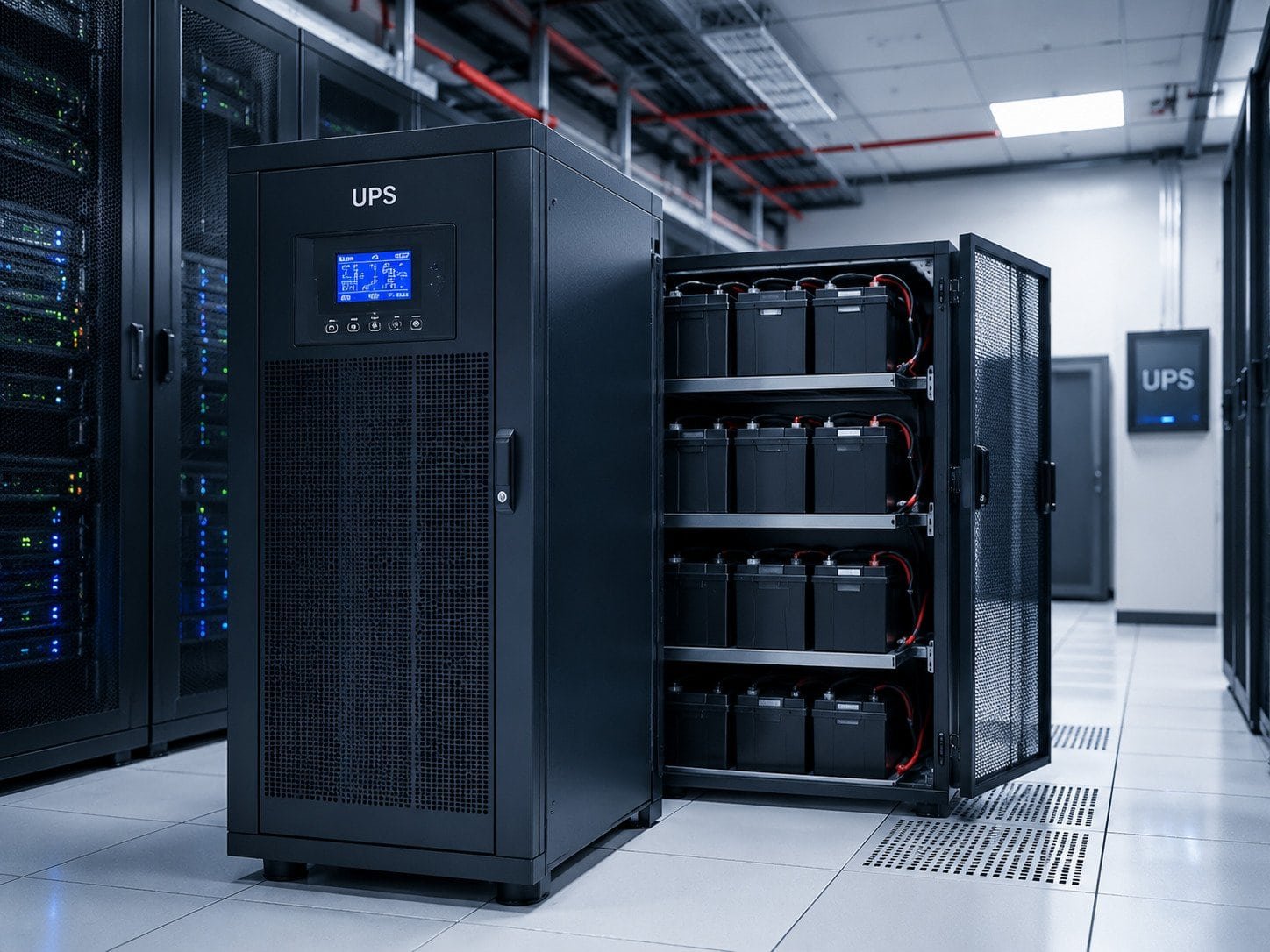
第1部:UPSバッテリーとは?
UPSバッテリーとは、無停電電源装置(UPS)システム内で使用されるエネルギー貯蔵装置のことです。.
通常の条件下では:
商用電源 → UPS → 接続機器
UPSは、バッテリーを充電しながら、安定した電力を継続的に供給します。.
停電時には:
停電 → UPSのバッテリー → 機器
このバッテリーは即座にバックアップ電源を供給し、重要な機器の稼働を継続させます。.
第2部:UPSバッテリーバックアップシステムの主な機能
2.1 非常用バックアップ電源の提供
UPSのバッテリーの主な機能は、予期せぬ停電時に電源を維持することです。.
一般的な用途は以下の通り:
- データセンター
- サーバー
- 医療機器
- セキュリティシステム
- 産業用オートメーション
- 通信ネットワーク
UPSのバッテリーは、以下の用途に対して十分なバックアップ時間を確保します:
- 安全なシャットダウン
- 発電機の起動
- 短時間の停電時でも稼働を継続
2.2 重要機器の保護
UPSシステムは、単に非常用電源を供給するだけではありません。.
また、これらの製品は、以下の脅威からデバイスを保護します:
- 電圧変動
- 電圧サージ
- 電気ノイズ
- 周波数不安定性
高感度な電子機器には、クリーンで安定した電源が必要です。.
例を挙げよう:
- サーバー
- PLCシステム
- 精密機器
- 実験機器
2.3 データ損失の防止
ITシステムの場合、わずか数秒の停電でも、次のような問題を引き起こす可能性があります:
- サーバーのクラッシュ
- 破損したファイル
- 失われた取引
- システムの停止時間
UPSのバッテリーは、途切れることのない電力供給を実現し、企業の事業継続を支えます。.
第3部:UPS用バッテリーの種類
3.1 鉛蓄電池式UPSバッテリー
従来、UPS市場では鉛蓄電池が主流でした。.
一般的なタイプ:
- VRLA AGMバッテリー
- ゲル電池
- 液漏れした鉛蓄電池
メリット
✅ 初期費用が安い
✅ 確立された技術
✅ 広く入手可能
デメリット:
❌ 寿命が短い
❌ 重量級
❌ 定期的な交換が必要です
❌ エネルギー効率の低下
一般的な寿命:
3~5年
3.2 リチウムイオンUPS用バッテリー
リチウム電池は、現代のアプリケーションにおいて、UPSソリューションとして主流になりつつあります。.
共通の化学:
LiFePO4(リン酸鉄リチウム)
メリット
✅ 8~10年以上使用可能
✅ 3,000~5,000回以上
✅ 軽量設計
✅ 充電が速い
✅ エネルギー効率の向上
✅ スマートバッテリー監視
リチウムイオンUPSバッテリーは、特に以下の用途に適しています:
- データセンター
- 通信システム
- 産業機器
- 再生可能エネルギーシステム
第4部:リチウムイオンUPSバッテリーと鉛蓄電池の比較
| 特徴 | リチウムイオンUPSバッテリー | 鉛蓄電池式UPSバッテリー |
|---|---|---|
| 寿命 | 8~10年以上 | 3~5年 |
| サイクル・ライフ | 3000~5000回以上 | 500~1000サイクル |
| 重量 | 軽量 | 重い |
| 充電速度 | 速い | 遅い |
| 効率性 | 90–95% | 70–85% |
| メンテナンス | 低い | より高い |
| 必要なスペース | 小さい | 大きい |
| モニタリング | スマートBMSが利用可能です | 限定 |
| 総費用 | 長期的に低下する | 再調達原価の上昇 |
第5部 リチウムイオンUPSバッテリーのメリット
5.1 耐用年数の延長
バッテリーの交換は、UPSシステムの運用コストの中で最も大きなものの一つです。.
リチウム電池は、鉛蓄電池よりもはるかに長持ちします。.
メリット:
- 交換頻度の低減
- メンテナンス作業の負担軽減
- ダウンタイムの減少
- より高い投資収益率
5.2 エネルギー密度の向上
リチウム電池は、より小型・軽量でありながら、より多くのエネルギーを蓄えることができます。.
これは次のような場合に役立ちます:
- コンパクトなサーバールーム
- エッジコンピューティング施設
- 通信キャビネット
- 産業用制御システム
より少ないスペースで、より多くの電力を設置できます。.
5.3 より高速な充電機能
停電などの発生後、UPSのバッテリーは速やかに回復する必要があります。.
リチウム電池の対応:
- より高い充電電流
- 回復までの時間が短い
- バックアップの頻度を高める
これにより、システムの可用性が向上します。.
5.4 スマートバッテリー管理システム(BMS)
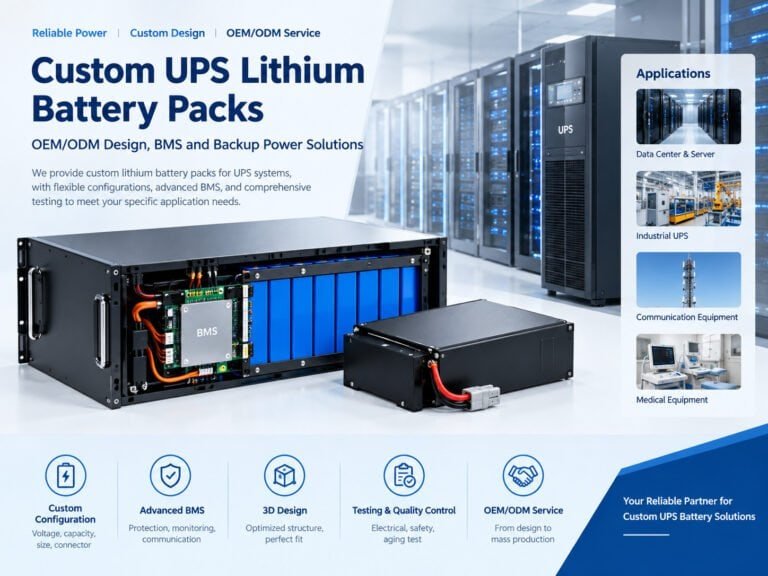
最新のリチウムイオンUPS用バッテリーには、インテリジェントなBMS技術が搭載されています。.
BMSは以下の項目を監視します:
- 電圧
- 現在
- 温度
- 充電状態(SOC)
- 健康状態(SOH)
保護機能:
- 過充電保護
- 過放電保護
- 短絡保護
- 熱保護
- セルバランシング
第6部:UPSバッテリーの一般的な用途
データセンター
要件:
- 高い信頼性
- バックアップに時間がかかる
- 低メンテナンス
リチウムイオンUPSバッテリーは、以下の削減に役立ちます:
- 冷却要件
- バッテリー室のスペース
- 再調達原価
電気通信
用途:
- 基地局
- 通信ネットワーク
- 遠隔地にある機器
メリット
- 長い待機時間
- 高い信頼性
- 遠隔監視
産業オートメーション
アプリケーション
- 工場制御システム
- ロボット
- PLC機器
- 製造ライン
UPSのバッテリーは、生産の中断を防ぎます。.
医療機器
病院では、以下の用途のために途切れることのない電力供給が必要です:
- 監視システム
- 緊急用装備
- 実験用機器
UPSシステムは、重要なバックアップ保護機能を提供します。.
第7部:適切なUPSバッテリーの選び方
適切なUPS用バッテリーを選択するには、いくつかの要素を評価する必要があります。.
7.1 必要なバックアップ時間の算出
まず、以下を計算します:
- 機器の消費電力(W)
- 必要なバックアップ期間
- 必要なバッテリー容量
例
負荷が高くなると、以下が必要となります:
- バッテリー容量の拡大
- その他のバッテリーモジュール
- バックアップ時間の延長
7.2 適切なバッテリー電圧を選択する
一般的なUPSバッテリーの電圧:
- 12V
- 24V
- 48V
- 96V
- 192V
- 384V
バッテリー電圧は、UPSシステムの要件に合致している必要があります。.
7.3 電池の化学系を選択する
鉛蓄電池:
対象:
- 小型UPSシステム
- 低予算のプロジェクト
- 短期の申請
LiFePO4 リチウム:
対象:
- データセンター
- 産業用UPS
- 長期運用
- 高信頼性が求められる用途
7.4 運用環境の検討
確認:
- 温度範囲
- 設置スペース
- 換気条件
- 安全要件
産業環境では、以下の要件が必要となる場合があります:
- IP規格準拠の筐体
- 熱管理
- 通信機能
7.5 認証の確認
世界中のUPSバッテリー用途において、一般的な認証には以下のものがあります:
- UN38.3
- CE
- IEC 62619
- UL 1973
- RoHS
- MSDS
第8部 今後の動向:リチウムイオンUPSバッテリーが標準となりつつある
各業界からの要望として:
- 信頼性の向上
- 運用コストの削減
- 設置面積の縮小
- スマートなエネルギー管理
リチウムイオンUPSバッテリーは、次世代の非常用電源ソリューションとして注目を集めています。.
鉛蓄電池からリチウム電池への移行が加速しているのは、以下の分野です:
- データセンター
- 通信
- 産業用オートメーション
- 再生可能エネルギーの蓄電
将来のUPSシステムは、次のような方向へと進化しています:
長寿命+高効率+インテリジェントな監視+メンテナンスの手間軽減
よくある質問:UPSのバッテリーによるバックアップ電源
Q1: UPSのバッテリーはどのくらい持ちますか?
鉛蓄電池式のUPSバッテリーの寿命は通常3~5年ですが、リチウムLiFePO4式のUPSバッテリーは8~10年、あるいはそれ以上も使用可能です。.
Q2:UPSシステムにはリチウム電池の方が適していますか?
はい。リチウム電池は、従来の鉛蓄電池に比べ、寿命が長く、充電が速く、効率が高く、メンテナンスの手間も少ないという特徴があります。.
Q3:リチウム電池は、鉛蓄電池式のUPS用バッテリーに代わることはできますか?
多くの用途では、その通りです。ただし、UPSの電圧、充電パラメータ、BMSとの通信、および設置要件が互換性を持っている必要があります。.
Q4: UPSに最適な電池の化学組成は何ですか?
LiFePO4は、その安全性、安定性、および長いサイクル寿命から、UPSシステムにおいて最も広く使用されているリチウム電池化学系の一つです。.
Q5: UPSのバッテリー容量はどのように計算すればよいですか?
バッテリーの容量は、以下の要因によって決まります:
- UPSの定格出力
- 負荷消費量
- バックアップに必要な時間
- バッテリー電圧
- システムの効率
 English
  Chinese
  Japanese
  German
  French
  Korean
