
倉庫業務では、パレットの移動、商品の搬送、在庫の補充、そして日々の物流活動を支えるために、信頼性の高い資材運搬機器が不可欠です。電動フォークリフト、パレットトラック、スタッカー、リーチトラック、牽引トラクター、AGV、AMR、床清掃機などは、いずれもバッテリーを主要な動力源としています。.
しかし、倉庫運営者にとって、バッテリーの購入価格は総コストの一部に過ぎません。.
購入時には安価に見えるバッテリーでも、メンテナンス、充電、バッテリー交換、人件費、稼働停止時間、およびエネルギー消費によって、追加の費用が発生する可能性があります。一方、リチウムイオンバッテリーシステムは初期投資額が高くなる場合がありますが、その運用特性により、長期的なコストの一部を削減できる可能性があります。.
これがその理由です 総所有コスト(TCO) これは、倉庫用機器用のバッテリーを選定する際に重要な考慮事項です。.
倉庫管理者は、「バッテリーの価格はいくらですか?」と尋ねるだけでなく、次のような質問もすべきです:
このバッテリーの耐用年数全体にわたる運用コストはいくらになりますか?
この記事では、リチウム電池が倉庫設備のTCO削減にどのように貢献できるか、計算に含めるべきコストは何か、そして実際の倉庫の稼働状況に応じてバッテリーシステムをどのように選定すべきかについて解説します。.
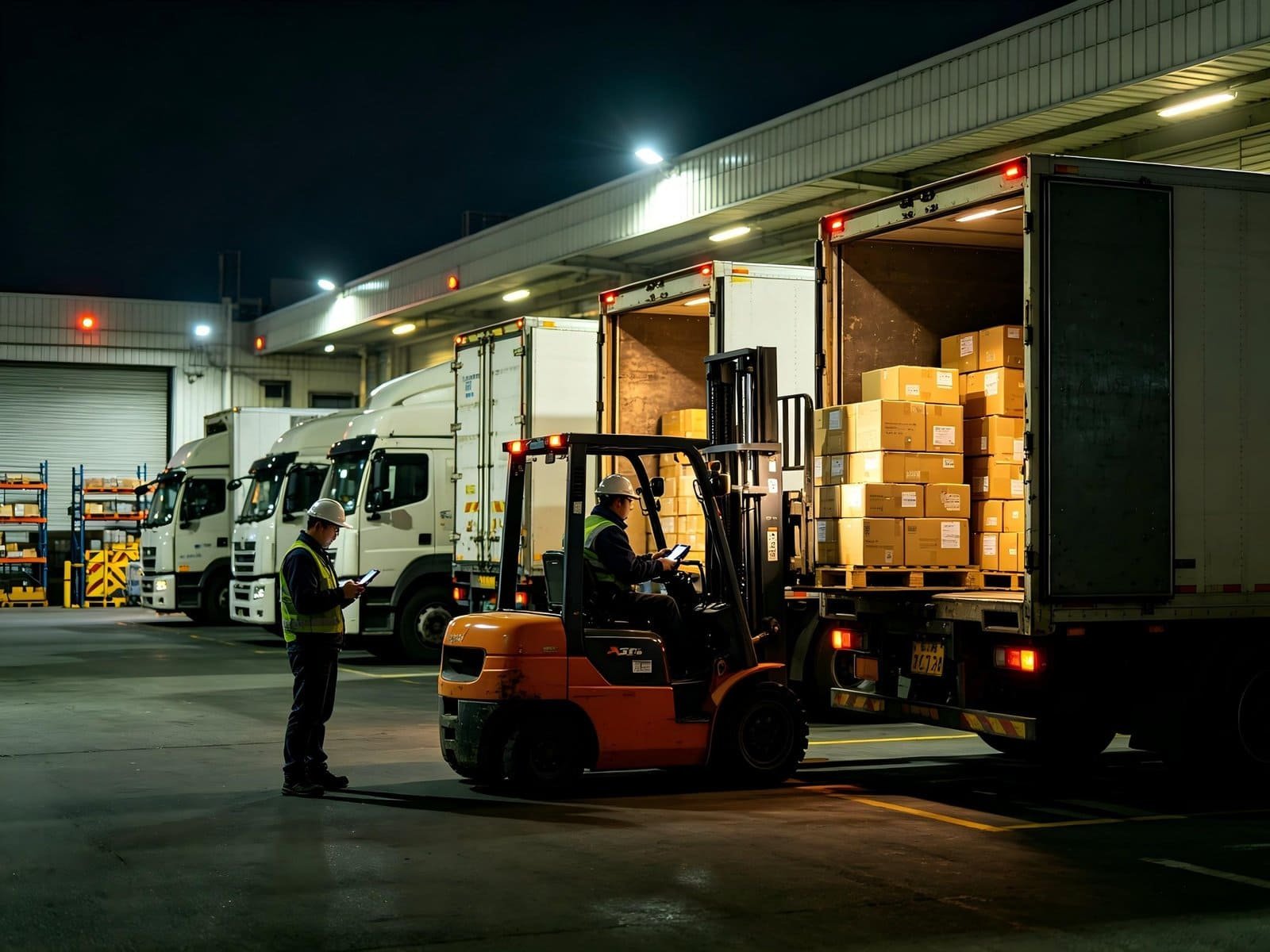
倉庫用バッテリーの総所有コストとは何ですか?
総所有コスト(TCO)とは、バッテリーの耐用期間を通じて、その購入、運用、保守、および交換に関連する費用の総額を指します。.
倉庫用機器の場合、TCOの簡易的な算出には以下の項目を含めることができます:
TCO = 初期バッテリー費用 + エネルギー費用 + 保守費用 + 人件費 + ダウンタイム費用 + 交換費用
用途によっては、以下のようなその他の要素も含まれる場合があります:
- バッテリー充電インフラ
- バッテリー室の要件
- 換気に関する要件
- 予備バッテリーの在庫
- バッテリー搬送機器
- 充電器の交換
- 設備稼働率
- 使用終了時のバッテリー管理
- BMSおよび監視システム
正確な計算には、倉庫の環境、設備の種類、稼働スケジュール、バッテリーの容量、電気料金、人件費、およびバッテリーの予想耐用年数などが影響します。.
したがって、すべての倉庫に当てはまる単一のTCOの結果など存在しません。.
適切な比較を行うには、実際の運用データに基づいて行うべきである。.
なぜバッテリーの購入価格だけでは全体像がわからないのか
鉛蓄電池は、数十年にわたり倉庫用機器で広く使用されてきました。現在も多くの用途に適しており、適切に選定・保守を行えば、費用対効果の高いソリューションとなります。.
ただし、従来の鉛蓄電池システムでは、追加の運用手順が必要になる場合があります。.
例えば、鉛蓄電池を使用している倉庫では、次のような点を検討する必要があるかもしれません:
- バッテリーの定期的なメンテナンス
- 電解質を含む水分補給
- 専用充電エリア
- バッテリーの冷却時間
- 電池交換作業
- 複数シフト体制での運用用の予備バッテリー
- バッテリー搬送機器
- 換気に関する要件
- 充電に伴う稼働停止時間
リチウム電池は、異なる動作原理を採用しています。.
多くのリチウム電池システムは、BMSによる保護機能、メンテナンスフリーの運用、機会充電機能、および電池監視機能を備えて設計されています。.
これらの特性によって、バッテリーが倉庫運営の総コストに与える影響は変わる可能性があります。.
1. 日常的なバッテリーメンテナンスの軽減
リチウム電池の潜在的なコスト上の利点の一つは、定期的なメンテナンスの手間が軽減されることです。.
従来の液式鉛蓄電池は、動作中や充電中に電解液中の水が消費されるため、定期的に水を補充する必要があります。.
したがって、倉庫担当者は以下の対応が必要となる場合があります:
- 電解質の濃度を確認してください。.
- 蒸留水を加える。.
- バッテリーの状態を確認してください。.
- バッテリーの端子をきれいに拭き取ってください。.
- 充電状態を監視する。.
- 定期的なメンテナンスを行ってください。.
これらの業務には、労働力と管理職の時間の両方が必要となります。.
LiFePO4バッテリーシステムを含む多くのリチウムイオンバッテリーは、通常の稼働中に電解水の補充を必要としません。.
これにより、日常的なバッテリーのメンテナンス作業を削減できます。.
多数の電気自動車を運用している倉庫において、バッテリーの定期的なメンテナンス作業をなくすことは、運用コストに目に見える効果をもたらす可能性があります。.
ただし、リチウム電池は広い意味での完全なメンテナンスフリーというわけではありません。運用者は、以下の点について、引き続きメーカーの要件に従う必要があります:
- 充電
- 温度管理
- 電気接続
- 検査
- BMSの監視
- ストレージ
- 安全手順
2. 機会充電により設備の利用率を向上させることができる
充電戦略は、倉庫の生産性と直接的な関係があります。.
従来の鉛蓄電池では、次の動作サイクルに入る前に、比較的長い充電時間を要し、その後冷却が必要となる場合があります。.
このため、複数シフト制の運用では、バッテリーの交換が必要になる場合があります。.
リチウム電池は、一般的に、電池の設計、BMS、充電器、およびメーカーの仕様によっては、機会充電に対応可能です。.
たとえば、電動パレットトラックは、次のような場合に充電器に接続されることがあります:
- 休憩時間
- シフト交代
- 昼食時間
- 需要の少ない時期
- 予定された設備の遊休時間
バッテリーの充電量が低下するのを待ってから充電するのではなく、オペレーターは予定された稼働停止時間を利用して、短時間の充電を行うことができます。.
この運用モデルにより、予備バッテリーへの依存度を低減することができます。.
例
複数のシフトにわたって電動パレットトラックを運用している倉庫を例に考えてみましょう。.
バッテリー交換戦略を採用する場合、倉庫には以下のものが必要になる可能性があります:
設備 → バッテリーA → バッテリーB → 充電ステーション → バッテリー取り扱い
機会活用型戦略を採用することで、運営モデルは次のようなものになる可能性があります:
機器 → 予定された休止期間中の充電器 → 機器
2番目のモデルは、バッテリーの取り扱い作業を削減し、機器の稼働率を向上させる可能性がある。.
実際の結果は、バッテリー容量、充電電力、稼働負荷、シフト時間、および機器の使用状況によって異なります。.
3. バッテリー取り扱いにおける人手要件の削減
バッテリーの取り扱いには、見過ごされがちな倉庫運営コストが含まれている場合があります。.
大型の産業用バッテリーは重量があるため、取り外しや取り付けには専用の機器や手順が必要になる場合があります。.
倉庫では、従業員に次のような業務を求められる場合があります:
- 使い切った電池を取り外してください
- 輸送用バッテリー
- 充電済みのバッテリーを取り付ける
- バッテリーの端子を接続する
- バッテリーを充電エリアへ移動してください
- 充電状況の確認
- 充電済みのバッテリーを機器に戻してください
随時充電を想定して設計されたリチウム電池システムでは、こうしたプロセスを短縮できる場合が多い。.
だからといって、あらゆる用途においてバッテリーの取り扱いが不要になるわけではない。.
その代わりに、バッテリーの構成や充電戦略を見直すことで、手動でのバッテリー交換の頻度を減らすことができます。.
稼働率の高い倉庫では、バッテリーの取り扱い作業の繰り返しを減らすことで、人件費の削減や業務プロセスの簡素化につながります。.
4. 充電効率はエネルギーコストに影響を与える可能性がある
エネルギー消費量は、バッテリーのTCOを構成するもう一つの要素です。.
バッテリーの効率は、化学組成、バッテリーの設計、充電器の効率、動作温度、負荷、充電プロファイル、およびその他のシステムパラメータによって左右されます。.
リチウムイオン電池は、一般的に鉛蓄電池とは異なる充放電特性を示します。.
適切に設計されたリチウム電池システムは、充電時および動作時のエネルギー損失を低減することができます。.
実際の省エネ効果は、想定された割合ではなく、測定されたシステムデータを用いて算出する必要があります。.
次のような計算が役立ちます:
年間エネルギーコスト = 1回の充電サイクルあたりのエネルギー消費量 × 年間の充電サイクル数 × 電気料金
より包括的な比較を行うためには、倉庫運営者は以下の項目を測定すべきです:
- バッテリー容量
- 充電器の入力電力
- 充電効率
- 営業時間
- 充電サイクル数
- 電気料金
- 平均機器負荷
これにより、TCOにおけるエネルギー要素について、より現実的な見積もりが可能になります。.
5. 耐用年数が長ければ、バッテリーの交換頻度を減らすことができる
バッテリーの交換は、倉庫設備における長期的なコストの主要な要素の一つです。.
リチウム電池の実際の耐用年数は、以下の要因によって決まります:
- 細胞化学
- セルの品質
- 放電深度
- 充電電流および放電電流
- 動作温度
- 充電戦略
- BMSの設定
- 機械設計
- 保管条件
- メンテナンス
- アプリケーションプロファイル
LiFePO4電池は、そのサイクル寿命特性と熱的特性から、産業用途において一般的に採用が検討されています。.
ただし、メーカーはすべての用途について、一定の耐用年数を保証すべきではない。.
例えば、次のような用途で使用されるバッテリー:
- 1日1シフト
以下の用途で使用されるバッテリーとは、その負荷状況が大きく異なります:
- 1日3交代制
- 高負荷運転
- 頻繁な加速
- 随時充電
したがって、バッテリーの駆動時間は、実際の稼働サイクルに基づいて評価すべきである。.
バッテリー交換の頻度を減らすことで、倉庫側が交換用バッテリーを頻繁に購入・設置する必要がなくなるため、長期的なTCOを削減できます。.
6. 統合型BMSがバッテリーの運用管理を支援
バッテリー管理システム(BMS)は、リチウムイオンバッテリーパックの重要な構成要素です。.
BMSは、次のようなパラメータを監視することができます:
- 細胞電位
- パック電圧
- 現在
- 温度
- 充電状態
- 充電状況
- 放電状態
- 保護状況
設計によっては、スマートBMSは次のようなプロトコルを介して外部機器と通信することも可能です:
- CAN
- UART
- RS485
この情報は、機器メーカーや運用担当者がバッテリーの状態を監視する上で役立ちます。.
適切に設定されたBMSは、次のような状況から保護することができます:
- オーバーチャージ
- 過放電
- 過電流
- ショート
- 過熱
- 低温
BMSはバッテリーのリスクをすべて排除するわけではありませんが、適切に設計されたバッテリーシステムにおいて、重要な制御層として機能します。.
7. ダウンタイムの短縮は、大きな経済的効果をもたらす可能性がある
ダウンタイムのコストは、請求書には必ずしも明示されないため、その算出はしばしば困難です。.
倉庫用車両がバッテリーがないために稼働できなくなった場合、次のような影響が生じる可能性があります:
- パレットの移動遅延
- 機器の稼働率の低下
- 追加の人件費
- 注文の遅延
- 生産の中断
- バックアップ機器の利用増加
例えば、電動フォークリフトが、保管場所と生産ラインの間で資材の運搬を担当していると仮定しましょう。.
フォークリフトが長期間使用できない状態が続く場合、同じ作業を完了させるために、倉庫では別の車両や追加の作業員が必要になる可能性があります。.
したがって、バッテリーの選定にあたっては、バッテリーのコストだけでなく、機器の入手可能性も考慮すべきである。.
リチウムイオン電池システムは、機会充電や電池監視戦略に対応しており、これらを活用することで、電池に起因するダウンタイムの削減につながる可能性があります。.
8. リチウム電池を使えば、予備電池の必要性を減らすことができる
複数シフト制の倉庫業務では、1台の車両に対して複数のバッテリーが必要になることがよくあります。.
例えば、こうだ:
1台の車両+複数のシフト → 複数のバッテリー
1つのバッテリーが動作している間、もう1つのバッテリーは充電中または冷却中です。.
随時充電に対応したリチウムイオンバッテリーシステムを採用すれば、同じ機器でも予備バッテリーの数を減らして運用できる可能性があります。.
これにより、以下が軽減される可能性があります:
- 予備バッテリーの在庫
- バッテリーの収納スペース
- バッテリー搬送機器
- バッテリー交換の作業料
- 充電インフラの要件
実際に必要な電池の数は、以下の基準に基づいて決定する必要があります:
- シフトの長さ
- 毎日の営業時間
- バッテリー容量
- 充電出力
- 充電の機会
- 機器の負荷
- 安全要件
9. 倉庫スペースもTCOの一部となり得る
倉庫スペースには経済的価値がある。.
従来のバッテリー室には、以下のためのスペースが必要となる場合があります:
- 蓄電池
- 充電設備
- 換気
- バッテリーの取り扱い
- メンテナンス
- 安全管理
バッテリーシステムを機器上で直接充電できるようになれば、倉庫ではバッテリーの取り扱いおよび保管に充てられているスペースをある程度削減できる可能性があります。.
具体的な要件は、地域の規制、バッテリー技術、充電器の構成、および施設の設計によって異なります。.
したがって、施設管理者は、バッテリーを独立した構成要素として扱うのではなく、設備群と併せてバッテリーインフラを評価すべきである。.
倉庫用機器向けリチウム電池の化学組成の選定
リチウムイオンは、単一の電池化学組成というよりは、幅広いカテゴリーを指します。.
倉庫用途によって、必要な電池の化学系や設計が異なる場合があります。.
LiFePO4電池
リン酸鉄リチウム(一般にLiFePO4またはLFPと呼ばれる)は、産業用機器の材料としてよく検討される。.
考えられる特徴としては、次のようなものがあります:
- 安定した熱特性
- 長寿命の可能性
- 優れた連続運転性能
- 頻繁な充電に適しています
- 定期的な電解質水の補給は行わない
- スマートBMSシステムとの互換性
LFPは、以下の用途での採用が検討できます:
- 電動フォークリフト
- パレットトラック
- スタッカーズ
- 無人搬送車
- AMR
- 牽引トラクター
- 洗浄機
最終的な電池の化学系は、電圧、電流、動作温度、必要なサイクル寿命、設置スペース、重量要件、および認証要件に基づいて選定する必要があります。.
倉庫におけるリチウム電池のTCOの算出方法
実用的なTCOの算出は、いくつかのカテゴリーに分類することができます。.
初期投資
以下を含める:
- バッテリーパック
- 充電器
- ビーエムエス
- 通信システム
- インストール
- バッテリーの取り付け
- 充電インフラ
エネルギーコスト
計算:
年間エネルギーコスト = 年間エネルギー消費量 × 電気料金
可能な限り、計測された充電エネルギーを使用してください。.
維持費
考えてみてください:
- 定期点検
- クリーニング
- 保守作業費
- バッテリーサービス
- 充電器のメンテナンス
人件費
以下の作業にかかる労力を検討してください:
- バッテリーの交換
- バッテリーの輸送
- バッテリーの充電
- バッテリー点検
- バッテリーのメンテナンス
ダウンタイムによるコスト
以下の項目に基づいて、設備の稼働停止によるコストを見積もってください:
- 稼働時間の損失
- 追加の人件費
- 生産の遅れ
- 代替機器の要件
再調達価格
計算:
交換費用 = バッテリーの購入価格 × 交換回数
交換の頻度は、バッテリーの実際の耐用年数や使用条件によって異なります。.
TCO比較の簡略例
ある倉庫が、所有する電動パレットトラックの車両群用にバッテリーを必要としていると仮定しましょう。.
購買チームは、2つのバッテリーシステムを比較しています。.
同社は、購入価格だけを見るのではなく、以下の点を評価しています:
| 費用区分 | システムA | システムB |
|---|---|---|
| バッテリーの初期費用 | ✓ | ✓ |
| 充電器の価格 | ✓ | ✓ |
| 電力消費量 | ✓ | ✓ |
| 定期メンテナンス | ✓ | ✓ |
| バッテリー取り扱い作業 | ✓ | ✓ |
| 予備のバッテリー | ✓ | ✓ |
| ダウンタイム | ✓ | ✓ |
| 交換頻度 | ✓ | ✓ |
| バッテリー室の要件 | ✓ | ✓ |
| 終末期ケア | ✓ | ✓ |
最終的な決定は、以下の点に基づいて行うべきである。 ライフサイクル総コスト, 、バッテリーの購入価格だけにとどまらず。.
このアプローチにより、公称電圧やAh容量のみに基づいてバッテリーを選定してしまうことを防ぐこともできます。.
倉庫用途において重要なバッテリーの仕様
倉庫用機器用のリチウム電池を選ぶ際には、単に電圧を決めるだけでは不十分です。.
主な仕様は以下の通りです:
1. 定格電圧
一般的な産業用バッテリーシステムには、次のようなものがあります:
- 24V
- 36V
- 48V
- 51.2V
- 72V
バッテリー電圧は、機器の電気系統に適合している必要があります。.
2. 容量
バッテリーの容量は、通常、Ah または kWh で表されます。.
例えば、こうだ:
エネルギー ≈ 電圧 × 容量
51.2V、100Ahのバッテリーの公称エネルギーは、およそ:
51.2 × 100 = 5.12 kWh
実際に利用可能なエネルギー量は、バッテリーの構成やBMSの設定によって異なります。.
3. 連続放電電流
バッテリーは、機器の通常の動作負荷に対応できる十分な電流を供給できなければなりません。.
4. ピーク電流
フォークリフトやその他の電気自動車は、以下の状況において、短時間のピーク電流を必要とする場合があります:
- 加速
- リフティング
- 開始
- クライミング
- 重荷重運転
バッテリーの設計では、これらの条件を考慮に入れる必要があります。.
5. 充電電流
充電電流は充電時間に影響します。.
充電電流が大きいからといって、必ずしも適しているとは限りません。バッテリーセル、BMS、充電器、熱管理システム、および配線は、相互に連携して機能するように設計されなければなりません。.
6. 動作温度
倉庫は、以下の場所で運営される場合があります:
- 常温環境
- 冷蔵倉庫
- 冷凍庫
- 高温の産業施設
冷蔵用途では、バッテリーの追加加熱や熱管理が必要になる場合があります。.
バッテリーパックの設計が重要な理由
A lithium battery is not simply a group of cells connected together.
A complete industrial battery PACK may include:
- リチウム電池
- ビーエムエス
- バスバー
- ヒューズ
- コンタクタ
- コネクタ
- 温度センサー
- 通信インターフェース
- 添付資料
- 取付構造
- 充電インターフェース
The PACK design determines how the battery integrates with the equipment.
For warehouse applications, mechanical design is particularly important because the battery may experience:
- 振動
- 影響
- Repeated charging
- Frequent installation
- ダスト
- 水分
- 気温の変化
A properly designed enclosure and connection system can help the battery withstand its intended operating environment.
Certification and Compliance Should Be Considered Early
For warehouse equipment sold internationally, certification and regulatory requirements should be considered during battery development.
Depending on the target market and application, requirements may involve standards or regulations such as:
- 国連 38.3
- IEC 62133-2
- UL規格
- CE関連の要件
- EUバッテリー規制
- EMC requirements
- Local transportation requirements
The exact certification pathway depends on the battery design, equipment category, market, and intended use.
Certification should therefore be planned during the design stage rather than added after the battery has already been finalized.
How a Custom Lithium Battery Manufacturer Can Help Reduce TCO
A custom battery manufacturer can evaluate the battery together with the equipment instead of supplying a standard battery without considering the application.
For example, a battery development process can include:
Step 1: Equipment Analysis
評価:
- 機器の電圧
- モーター出力
- コントローラの仕様
- 営業時間
- Daily energy consumption
- ピーク電流
- 設置スペース
ステップ2:セルの選択
Select cells according to:
- 化学
- 定員
- 放電率
- Cycle-life requirements
- 温度範囲
- 細胞の一貫性
ステップ3:バッテリーの設定
次のことを決定する:
- 直列接続
- 並列接続
- Total voltage
- 定員
- エネルギー
- 現在の能力
ステップ4:BMSの設計
設定:
- 過電圧保護
- 低電圧保護
- 過電流保護
- 温度保護
- SOC推定
- コミュニケーション
ステップ5:機械設計
考えてみてください:
- バッテリー寸法
- 取り付け方法
- コネクタの位置
- Handle design
- Protection level
- 耐衝撃性と耐振動性
Step 6: Testing
テストには、次のようなものがあります:
- キャパシティ・テスト
- 充放電試験
- BMS試験
- 温度試験
- エージング試験
- 振動試験
- 該当する場合は、防水試験を実施する
- 通信テスト
This engineering approach helps align the battery with the equipment’s actual operating requirements.
When Does a Lithium Battery Make Economic Sense?
Lithium batteries can be particularly worth evaluating when a warehouse has:
- Multiple operating shifts
- High equipment utilization
- Frequent battery changes
- High labor costs
- Limited battery storage space
- Regular opportunity charging periods
- High battery maintenance requirements
- AGV or AMR fleets
- Automated warehouse operations
- Requirements for battery monitoring
For a low-utilization application with limited daily operating hours, the economic advantage may be less significant.
This is why TCO analysis should be performed according to the actual operating environment.
Lithium Battery TCO Is an Engineering and Operations Decision
Choosing a warehouse battery should not be based solely on battery chemistry or purchase price.
A practical evaluation should consider the complete system:
Battery + Charger + BMS + Equipment + Labor + Energy + Maintenance + Downtime + Replacement
A lithium battery may provide opportunities to reduce several of these cost categories through reduced maintenance, opportunity charging, battery monitoring, and reduced battery handling.
However, the final economic result depends on the specific application.
For warehouse operators, the right question is therefore not:
“Is lithium more expensive than lead acid?”
A better question is:
“Which battery system provides the appropriate lifecycle cost for our operating conditions?”
結論
Lithium battery technology is becoming an important option for warehouse material-handling equipment.
Its value should be evaluated from a total cost of ownership perspective rather than through the initial battery price alone.
Reduced routine maintenance, opportunity charging, battery monitoring, reduced battery handling, and potentially longer service life can all influence the economics of warehouse operations.
For electric forklifts, pallet trucks, stackers, AGVs, AMRs, tow tractors, and other industrial equipment, a properly engineered lithium battery PACK can be designed around the equipment’s voltage, current, operating schedule, installation space, charging strategy, and environmental conditions.
For equipment manufacturers and warehouse operators, the most practical approach is to collect actual operating data and compare the complete lifecycle costs of different battery solutions.
The goal is not simply to purchase a lithium battery. The goal is to build a battery system that fits the equipment and operating model while keeping lifecycle costs under control.
東莞一展電子科技有限公司について
東莞伊湛電子科技有限公司 specializes in custom lithium battery PACK development and manufacturing for industrial and commercial applications.
The company provides OEM/ODM battery solutions covering:
- 電池セルの選定
- Lithium battery PACK design
- LiFePO4 battery systems
- BMS開発
- Smart BMS communication
- Battery charger solutions
- プロトタイプ開発
- バッテリーの検査
- 認証サポート
- 量産
Battery solutions can be developed for electric forklifts, pallet trucks, AGVs, AMRs, tow tractors, cleaning machines, logistics equipment, and other industrial applications.
For warehouse equipment manufacturers, battery customization can be based on the equipment’s electrical specifications, operating environment, installation dimensions, charging requirements, and communication protocol.
 English
  Chinese
  Japanese
  German
  French
  Korean
