
Alors que les secteurs industriels poursuivent leur transition vers l'électrification, la technologie des batteries est devenue un facteur déterminant qui influe à la fois sur les coûts d'exploitation et sur la durabilité environnementale. Qu'il s'agisse de véhicules électriques, d'équipements industriels ou de systèmes de stockage d'énergie renouvelable, le choix d'une technologie de batterie adaptée peut avoir une incidence directe sur les performances à long terme, les frais d'entretien et l'impact écologique.
Pendant de nombreuses années, les batteries au plomb ont été largement utilisées en raison de leur faible coût d'achat initial. Cependant, leur durée de vie plus courte, leurs besoins d'entretien fréquents, leur rendement énergétique moindre et leur fréquence de remplacement plus élevée ont entraîné une augmentation du coût total de possession.
Aujourd'hui, Batteries LiFePO4 (batteries au lithium-fer-phosphate) deviennent une solution privilégiée pour de nombreuses applications grâce à leur longue durée de vie, à leurs excellentes performances en matière de sécurité, à leur haut rendement énergétique et à leur caractère respectueux de l'environnement.
Même si l'investissement initial pour une batterie LiFePO4 peut être plus élevé que celui des batteries traditionnelles, sa durée de vie plus longue et ses coûts d'exploitation moindres génèrent souvent une plus grande valeur économique sur l'ensemble du cycle de vie de la batterie.
Par ailleurs, la technologie LiFePO4 contribue à un avenir énergétique plus propre en réduisant les déchets liés aux batteries, en améliorant l'utilisation de l'énergie et en favorisant le développement des énergies renouvelables.
Alors, comment les batteries LiFePO4 peuvent-elles exactement vous aider à faire des économies tout en préservant l'environnement ?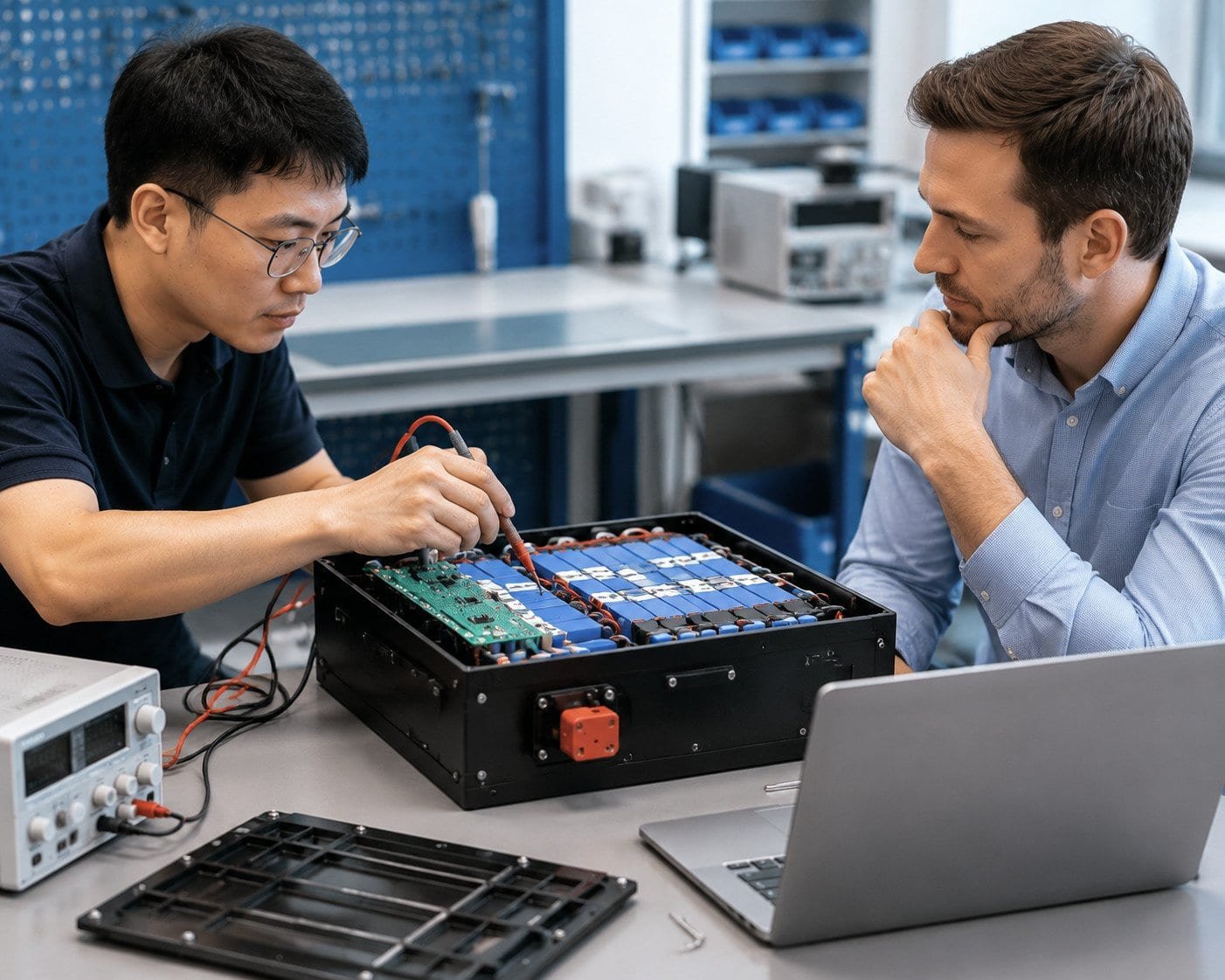
1re partie. Une durée de vie prolongée des batteries réduit les coûts de remplacement
L'un des principaux avantages des batteries LiFePO4 réside dans leur durée de vie exceptionnelle.
La durée de vie d'une batterie a une incidence directe sur le coût total de possession. Plus une batterie doit être remplacée fréquemment, plus les dépenses à long terme sont élevées pour les entreprises et les exploitants d'équipements.
Les batteries plomb-acide traditionnelles offrent généralement une autonomie d'environ :
- 300 à 500 cycles de charge et de décharge
Certaines technologies de batteries lithium-ion peuvent offrir :
- 1 000 à 2 000 cycles
Les batteries LiFePO4 de haute qualité permettent généralement d'atteindre :
- Entre 2 000 et 5 000 cycles et plus, en fonction des conditions d'utilisation, des méthodes de recharge et des systèmes de gestion de la batterie.
Grâce à cette durée de vie prolongée, les utilisateurs peuvent utiliser leurs appareils pendant de nombreuses années sans avoir à remplacer fréquemment la batterie.
Pour des applications commerciales telles que :
- Chariots élévateurs électriques
- Robots AGV et AMR
- Voiturettes de golf
- Bateaux électriques
- Véhicules industriels
- Systèmes de stockage de l'énergie solaire
La réduction de la fréquence de remplacement peut permettre de réaliser des économies substantielles.
Par exemple, un entrepôt utilisant des chariots élévateurs électriques peut être amené à remplacer les batteries au plomb plusieurs fois au cours de la durée de vie de ces équipements. En optant pour des batteries LiFePO4, les entreprises peuvent réduire les coûts liés au remplacement des batteries, minimiser les temps d'arrêt et améliorer leur efficacité opérationnelle.
Un investissement initial plus élevé peut se traduire par un coût global moindre sur la durée de vie du produit.
Partie 2. La réduction des besoins d'entretien permet de diminuer les frais d'exploitation
L'entretien est un facteur important qui est souvent négligé lors du choix des batteries.
Les batteries au plomb traditionnelles nécessitent un entretien régulier, notamment :
- Vérification des niveaux d'électrolytes
- Ajout d'eau distillée
- Nettoyage de la corrosion
- Surveillance de l'état des batteries
Ces opérations de maintenance nécessitent davantage de main-d'œuvre, de temps et de ressources de gestion.
Les batteries LiFePO4 sont conçues pour faciliter leur utilisation.
Grâce à un système de gestion de batterie (BMS) intégré, les packs de batteries LiFePO4 peuvent surveiller et contrôler automatiquement :
- Tension
- Actuel
- Température
- État de charge (SOC)
- État de santé (SOH)
Ce système de protection intelligent permet d'éviter :
- Surcharge
- Surdécharge
- Courant excessif
- Dommages liés à la température
Les utilisateurs peuvent ainsi profiter :
- Moins d'entretien manuel
- Coûts de main-d’œuvre moins élevés
- Fiabilité améliorée
- Un fonctionnement plus stable
Pour les entreprises qui gèrent de vastes parcs de matériel, la réduction de la charge de travail liée à la maintenance peut améliorer considérablement la productivité.
3e partie. Une meilleure efficacité énergétique permet de réduire les coûts d'électricité
Le rendement d'une batterie détermine la quantité d'énergie stockée qui peut effectivement être utilisée.
Les batteries LiFePO4 offrent un excellent rendement de charge et de décharge, atteignant souvent plus de 95%.
Par rapport aux batteries plomb-acide traditionnelles, la technologie LiFePO4 offre les avantages suivants :
- Une meilleure conversion énergétique
- Réduction des pertes d'énergie
- Une capacité utile accrue
- Une recharge plus rapide
Cet avantage en termes de rendement est particulièrement précieux dans les applications à haute fréquence.
Par exemple, les chariots de manutention et les robots industriels fonctionnent souvent plusieurs heures par jour. Une batterie plus performante permet à ces équipements d'accomplir davantage de tâches tout en consommant moins d'énergie.
Au fil de milliers de cycles de recharge, même de légères améliorations du rendement peuvent se traduire par des économies d'énergie significatives.
Partie 4. Une durée de vie plus longue contribue à réduire le gaspillage lié aux batteries
La protection de l'environnement ne se limite pas à la manière dont un produit est fabriqué. Elle dépend également de la durée de vie de ce produit.
Une batterie dont la durée de vie est courte génère davantage de déchets, car elle doit être remplacée fréquemment.
Chaque remplacement implique :
- Nouvelle méthode d'extraction des matières premières
- Procédés de fabrication
- Emballage
- Transports
- Exigences en matière de recyclage
Les batteries LiFePO4 ayant une durée de vie plus longue, le nombre de batteries à produire et à mettre au rebut sur une même période est moindre.
Cela permet de réduire :
- Production de déchets de piles
- Consommation de ressources
- Émissions liées aux transports
- Demande dans le secteur industriel
En prolongeant la durée de vie de la batterie, la technologie LiFePO4 contribue à un cycle de vie du produit plus durable.
Partie 5. Chimie des batteries respectueuse de l'environnement
La composition chimique d'une batterie joue un rôle important dans son impact environnemental.
Les batteries LiFePO4 utilisent du phosphate de lithium et de fer comme matériau cathodique, qui contient :
- Lithium
- Fer
- Phosphate
Par rapport à certaines autres compositions chimiques de batteries au lithium, le LiFePO₄ ne repose pas en grande partie sur des matériaux à base de cobalt et de nickel.
Cela présente plusieurs avantages :
Réduction de la dépendance vis-à-vis des métaux stratégiques
Certains matériaux utilisés dans les batteries nécessitent des chaînes d'extraction et d'approvisionnement complexes.
Le LiFePO4 utilise des matériaux à base de fer et de phosphate, dont l'approvisionnement est plus stable et l'accès aux ressources plus large.
Amélioration de la stabilité des matériaux
La structure chimique du LiFePO₄ lui confère une excellente stabilité thermique.
Cela contribue à :
- Fonctionnement plus sûr
- Durée de vie plus longue
- Risque réduit de dommages à la batterie
Un meilleur potentiel en matière de développement durable
Une batterie dotée d'une plus grande autonomie et fabriquée à partir de matériaux stables peut permettre de réduire la pression sur les ressources naturelles tout au long de son cycle de vie.
Partie 6. Soutien aux énergies renouvelables et aux solutions énergétiques propres
La transition vers les énergies renouvelables nécessite des technologies de stockage d'énergie fiables.
La production d'énergie solaire et éolienne peut être influencée par les conditions météorologiques. Les systèmes de stockage d'énergie permettent de relever ce défi en stockant l'électricité lorsque la production est élevée et en fournissant de l'électricité lorsque cela est nécessaire.
Les batteries LiFePO4 sont largement utilisées dans :
- Stockage solaire résidentiel
- Stockage d'énergie à usage commercial
- Systèmes d'alimentation électriques autonomes
- Solutions d'alimentation de secours
- Applications des micro-réseaux
Parmi leurs avantages, on peut citer :
- Longue durée de vie
- Haut niveau de sécurité
- Fonctionnement stable
- Peu d'entretien nécessaire
En favorisant l'utilisation des énergies renouvelables, les batteries LiFePO4 contribuent à réduire la dépendance vis-à-vis des combustibles fossiles et favorisent la mise en place de systèmes énergétiques plus propres.
Partie 7. Réduction du coût total de possession (TCO)
De nombreux acheteurs ne tiennent compte que du prix initial de la batterie. Or, pour choisir une batterie de manière professionnelle, il convient de prendre en considération le coût total sur toute la durée d'utilisation.
Le coût total de possession comprend :
Coût d'achat initial
Le prix payé lors de l'achat de la batterie.
Coût d'entretien
Main-d'œuvre et ressources nécessaires au bon fonctionnement de la batterie.
Coût de remplacement
Frais liés au remplacement des batteries au cours de la durée de vie des équipements.
Coût de l'énergie
Électricité nécessaire à la recharge.
Coût des temps d'arrêt
Pertes dues à l'arrêt des équipements en raison de problèmes de batterie.
Si l'on tient compte de tous les facteurs, les batteries LiFePO4 offrent souvent un meilleur rapport qualité-prix.
Un investissement initial légèrement plus élevé peut permettre :
- Durée de fonctionnement plus longue
- Réduction des frais d'entretien
- Moins de remplacements
- Une meilleure productivité
Pour les utilisateurs professionnels, la valeur réelle d'une batterie ne réside pas seulement dans son prix d'achat, mais aussi dans ses performances tout au long de sa durée de vie.
Partie 8. Applications des batteries LiFePO4 offrant des avantages en termes de coût et de respect de l'environnement
Les batteries LiFePO4 conviennent à de nombreux secteurs d'activité où la fiabilité et la durabilité sont des critères essentiels.
Véhicules électriques
Parmi les applications, on peut citer :
- Vélos électriques
- Scooters électriques
- Motos électriques
- Véhicules à faible vitesse
Sa longue durée de vie et ses caractéristiques de sécurité font du LiFePO4 une source d'énergie fiable.
Équipements industriels
Y compris :
- Chariots élévateurs
- Robots AGV
- Robots AMR
- Équipements pour entrepôts automatisés
Les longues durées de fonctionnement exigent des batteries offrant des performances stables et nécessitant peu d'entretien.
Applications maritimes
Les batteries LiFePO4 sont de plus en plus utilisées dans :
- Bateaux électriques
- Systèmes d'énergie marine
- Équipements de navigation
Leur résistance à la corrosion et leurs performances stables les rendent adaptées aux environnements marins.
Systèmes de stockage d'énergie
Parmi les applications, on peut citer :
- Stockage d'énergie domestique
- Stockage de l'énergie solaire
- Alimentation de secours
Le LiFePO4 permet aux utilisateurs de stocker efficacement l'énergie renouvelable.
Partie 9. Comment les fabricants de batteries améliorent la durabilité du LiFePO₄
Les fabricants de batteries jouent également un rôle important dans la conception de produits respectueux de l'environnement.
Les fabricants professionnels de batteries LiFePO4 se concentrent sur :
Cellules de batterie de haute qualité
L'utilisation de cellules fiables permet d'améliorer :
- Durée de vie de la batterie
- Sécurité
- Régularité des performances
Systèmes intelligents de gestion des batteries
La technologie BMS de pointe permet d'optimiser le fonctionnement de la batterie et d'éviter tout dommage inutile.
Des processus de fabrication efficaces
Les installations de production modernes utilisent :
- Équipements d'assemblage automatisés
- Technologie de soudage de précision
- Systèmes de test de batteries
Un contrôle qualité rigoureux garantit que chaque bloc-batterie répond aux exigences de performance.
Recyclage et gestion du cycle de vie
Une gestion responsable des batteries passe par la mise en place de processus de recyclage adaptés, permettant de récupérer les matériaux précieux et de réduire l'impact environnemental.
Partie 10. Pourquoi le choix d'une batterie LiFePO4 constitue un investissement à long terme
Le choix d'une batterie n'est pas seulement une décision technique. C'est également une décision financière et environnementale.
Opter pour des batteries LiFePO4, c'est investir dans :
- Durée de vie plus longue
- Réduction des coûts d'exploitation
- Entretien réduit
- Une meilleure efficacité énergétique
- Une utilisation plus durable de l'énergie
Pour les entreprises, cela peut permettre d'améliorer l'efficacité opérationnelle et de réduire les dépenses à long terme.
Pour les particuliers, elle offre une solution énergétique fiable et plus respectueuse de l'environnement.
Pour la société, cela favorise la transition vers une électrification durable.
FAQ sur les batteries LiFePO4
Q1 : Les batteries LiFePO4 valent-elles leur coût initial plus élevé ?
Oui. Bien que les batteries LiFePO4 aient généralement un prix d'achat plus élevé, leur durée de vie plus longue, leurs besoins d'entretien réduits et leur rendement supérieur permettent souvent de réduire le coût total de possession.
Q2 : Combien d'années une batterie LiFePO4 peut-elle durer ?
Une batterie LiFePO4 de qualité peut généralement avoir une durée de vie de 5 à 10 ans, voire plus, en fonction des conditions d'utilisation, des habitudes de recharge, de la température ambiante et des performances du système de gestion de la batterie.
Q3 : Les batteries LiFePO4 sont-elles plus respectueuses de l'environnement ?
Les batteries LiFePO4 contribuent au développement durable grâce à leur durée de vie plus longue, à la réduction de la fréquence de remplacement et à une moindre dépendance vis-à-vis de certains métaux stratégiques.
Q4 : Les batteries LiFePO4 peuvent-elles remplacer les batteries au plomb ?
Dans de nombreuses applications, les batteries LiFePO₄ peuvent remplacer les batteries au plomb-acide, à condition d'assurer une adaptation adéquate de la tension et une compatibilité avec le système.
Q5 : Dans quels secteurs les batteries LiFePO4 sont-elles couramment utilisées ?
Parmi les applications courantes, on peut citer les véhicules électriques, les chariots élévateurs, les robots, les équipements maritimes, les systèmes de stockage d'énergie solaire, les alimentations de secours (UPS) et les équipements industriels.
Conclusion : un choix de batterie plus judicieux pour votre avenir
Les batteries LiFePO4 offrent un bon compromis entre rentabilité et respect de l'environnement.
Leur longue durée de vie permet de réduire les coûts de remplacement. Leur rendement élevé diminue la consommation d'énergie. Leur composition chimique stable renforce la sécurité et favorise le développement durable.
À mesure que les secteurs industriels poursuivent leur transition vers l'électrification, la technologie des batteries LiFePO4 jouera un rôle de plus en plus important dans la mise au point de solutions d'alimentation plus propres, plus efficaces et plus fiables.
Opter pour le LiFePO4, ce n'est pas seulement choisir de bénéficier de meilleures performances de batterie. C'est aussi opter pour des coûts de cycle de vie réduits et un avenir énergétique plus durable.
 English
  Chinese
  Japanese
  German
  French
  Korean
