
고도로 디지털화되고 자동화된 오늘날의 세상에서 무정전은 더 이상 사치가 아니라 필수입니다. 정전은 병원, 데이터 센터 및 산업 환경에서 발생할 수 있습니다. 짧은 정전에도 데이터 손실, 장비 손상 또는 안전 위험이 발생할 수 있습니다. 이러한 경우 UPS 배터리 중요한 역할을 합니다.
동관 이잔 전자 유한회사는 리튬 배터리 팩의 숙련된 제조업체입니다. 연구와 생산을 결합한 기업입니다.
신뢰할 수 있는 UPS 배터리 솔루션을 제공합니다. 이러한 솔루션은 중요한 상황에서 전력을 계속 공급합니다.
이 글에서는 UPS 배터리가 무엇인지 살펴봅니다. 어떻게 작동하는지 설명하겠습니다. 또한 주요 유형과 용도에 대해서도 설명합니다. 마지막으로 필요에 맞는 UPS 배터리를 선택하는 데 도움을 드리겠습니다.
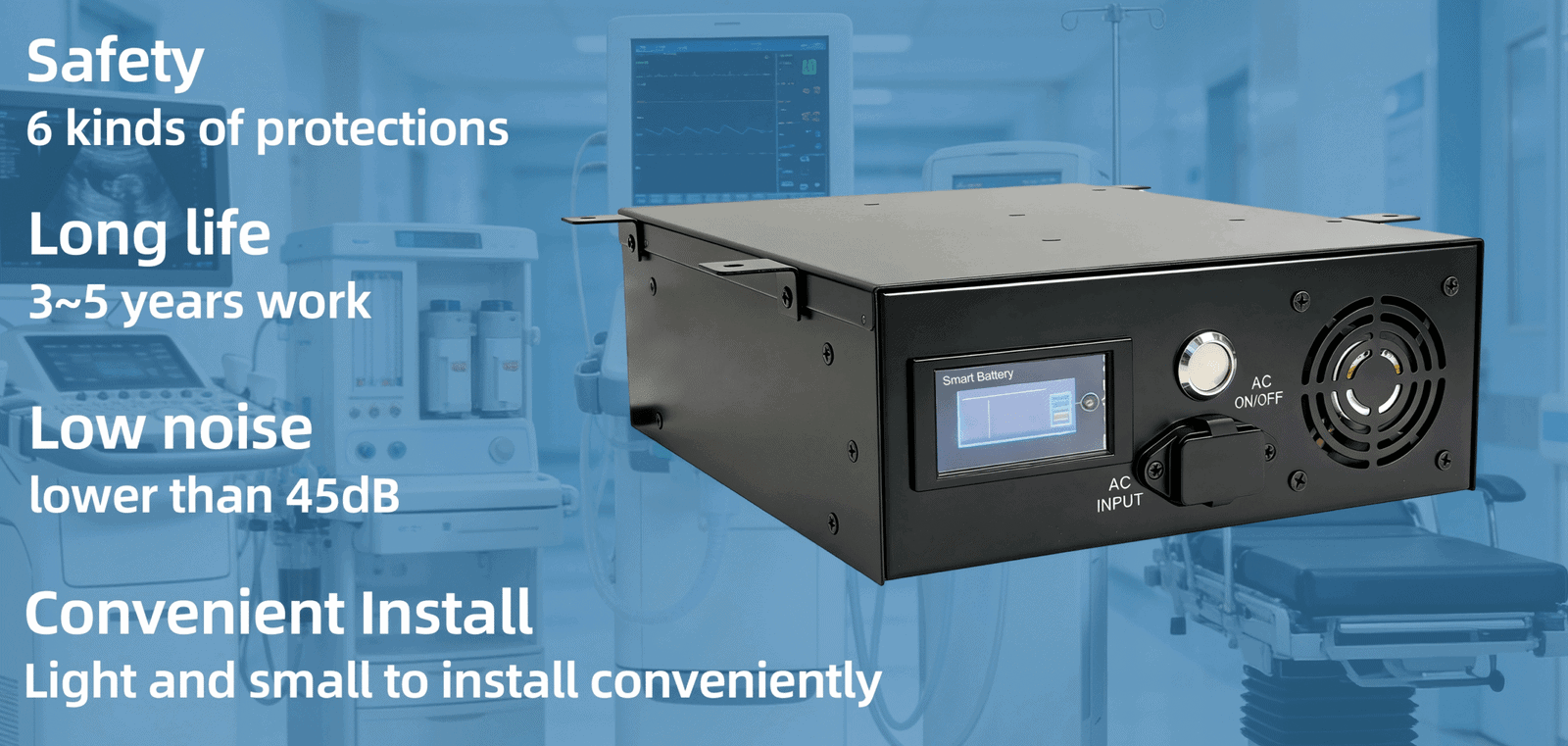
UPS 배터리란 무엇인가요?
A UPS 배터리 의 핵심 에너지 저장 구성 요소입니다. 무정전 전원 공급 장치(UPS) 시스템입니다. 주요 기능은 주 전기 공급이 중단되거나 불안정해질 때 즉각적인 백업 전원을 공급하는 것입니다.
UPS 배터리는 시동하는 데 몇 초가 걸리는 발전기와 달리 즉시 전력을 공급합니다. 따라서 연결된 장비의 원활한 작동을 보장합니다. 이러한 즉각적인 대응은 시스템 종료, 데이터 손상, 장비 고장을 방지합니다.
UPS 배터리는 전력 버퍼. 정전, 서지 또는 변동 중에 전압을 안정화하고 전기 흐름을 유지합니다.
UPS 배터리는 어떻게 작동하나요?
UPS 시스템은 유틸리티 그리드에서 들어오는 전력을 지속적으로 모니터링합니다. 정상적인 조건에서는 UPS 배터리가 충전된 상태로 유지되는 동안 장비는 주 전원으로 작동합니다.
전원 중단이 발생한 경우:
- UPS가 유틸리티 전력 손실을 감지합니다.
- 인버터가 즉시 배터리 전원으로 전환됩니다.
- UPS 배터리는 연결된 부하에 전기를 공급합니다.
- 장비는 중단 없이 계속 작동합니다.
전원이 복구되면 시스템이 다시 주 전원으로 전환되고 배터리가 자동으로 충전됩니다.
이 전체 프로세스는 밀리초 이내에 이루어지므로 민감한 전자 시스템에는 UPS 배터리가 필수적입니다.
UPS 배터리의 주요 유형
1. 납축 UPS 배터리
기존 UPS 시스템은 종종 봉인된 납산(SLA) 또는 밸브 조절 납산(VRLA) 배터리. 이 배터리는 저렴하고 일반적으로 사용됩니다. 하지만 몇 가지 단점이 있습니다. 수명이 짧고 무겁고 유지 관리가 더 많이 필요하다는 점입니다.
2. 리튬 이온 UPS 배터리
리튬 이온 UPS 배터리는 최신 전력 백업 시스템에서 선호되는 선택으로 빠르게 자리 잡고 있습니다. 동관 이잔 일렉트로닉스는 다음을 전문으로 합니다. 맞춤형 리튬 이온 및 LiFePO₄ UPS 배터리 팩를 제공합니다:
- 더 길어진 주기 수명
- 더 높은 에너지 밀도
- 더 빠른 충전
- 유지보수 비용 절감
- 더 작고 가벼워진 디자인
리튬 UPS 배터리는 컴팩트한 크기, 긴 사용 수명, 높은 신뢰성이 요구되는 애플리케이션에 이상적입니다.
UPS 배터리의 일반적인 애플리케이션
UPS 배터리는 다음과 같은 다양한 산업 분야에서 널리 사용됩니다:
의료 장비
병원과 클리닉은 생명 유지 장치, 진단 장비 및 모니터링 장치에 전력을 공급하기 위해 UPS 시스템에 의존합니다. 안정적인 UPS 배터리는 정전 시 환자의 안전을 보장합니다.
데이터 센터 및 IT 인프라
서버, 네트워킹 장치, 스토리지 시스템은 데이터 손실을 방지하기 위해 지속적인 전원이 필요합니다. UPS 배터리는 안전한 종료 또는 발전기 시동을 위한 중요한 백업 시간을 제공합니다.
산업 자동화
공장과 생산 라인은 가동 중단, 장비 손상, 생산 손실을 방지하기 위해 안정적인 전력에 의존합니다.
통신
UPS 배터리는 기지국, 통신 네트워크 및 제어 시스템의 지속적인 작동을 유지합니다.
보안 및 모니터링 시스템
CCTV, 액세스 제어 및 경보 시스템은 정전 시에도 작동을 유지하기 위해 UPS 배터리에 의존합니다.
UPS 배터리 품질이 중요한 이유
UPS 시스템은 배터리만큼만 안정적입니다. 품질이 좋지 않은 배터리는 다음과 같은 결과를 초래할 수 있습니다:
- 짧은 백업 기간
- 조기 장애
- 과열 또는 누출과 같은 안전 위험
- 유지보수 및 교체 비용 증가
동관 이잔 전자 유한회사에서는 모든 UPS 배터리 팩을 다음과 같은 용도로 설계합니다. 안전, 안정성 및 장기지속성 성능. 소니 배터리는 고품질 셀, 지능형 BMS 보호 기능, 강화된 기계적 구조를 통합하여 까다로운 환경에서도 일관된 성능을 보장합니다.
올바른 UPS 배터리 선택 방법
UPS 배터리를 선택할 때는 다음 요소를 고려하세요:
- 배터리 화학 (리튬 이온 대 납산)
- 전압 및 용량 요구 사항
- 로드 전원 및 백업 시간
- 운영 환경 (온도, 습도)
- 안전 인증 (UL, CE, IEC, UN38.3 등)
동관 이잔 전자 제품 맞춤형 UPS 배터리 솔루션특정 장비, 전력 요구 사항 및 국제 인증 표준에 맞게 조정됩니다.
동관 이잔 전자: 신뢰할 수 있는 UPS 배터리 파트너
동관 이잔 전자 유한회사는 배터리 팩 제조업체입니다. 그들은 다음에 중점을 둡니다. 리튬 배터리 솔루션. I산업es, 의료 시설에너지 저장 시스템및 백업 전원 애플리케이션의 제품을 사용합니다.
자체 연구 개발, 자동화된 생산 라인, 엄격한 품질 관리를 갖추고 있습니다. 이를 통해 전 세계 고객에게 신뢰할 수 있는 UPS 배터리를 공급할 수 있습니다.
다음과 같은 장점이 있습니다:
- 맞춤형 UPS 배터리 설계 및 개발
- 고안전성 리튬 이온 및 LiFePO₄ 솔루션
- 글로벌 인증 지원
- 안정적인 대량 생산과 빠른 배송
- 개념부터 배포까지 기술 지원
UPS 배터리는 정전에 대비해 중요한 시스템을 보호하고 중단 없는 운영을 보장하는 중요한 안전장치입니다. 산업계는 보다 안정적이고 오래 지속되며 안전한 전원을 필요로 합니다. 리튬 기반 UPS 배터리는 백업 전원 솔루션의 미래입니다.
는 전력이 가장 중요한 순간에 안정성과 안전성, 신뢰성을 보장하는 고성능 UPS 배터리 솔루션을 제공하기 위해 최선을 다하고 있습니다.

 English
  Chinese
  Japanese
  German
  French
  Korean
