
전기 자전거는 도시에서 이동하고 레저 라이딩을 즐기며 라스트 마일 운송을 처리하는 방식을 바꾸고 있습니다. 이제 배터리 성능은 제품 품질, 안전성 및 사용자 만족도의 핵심 요소입니다. 모든 전압 옵션 중에서, 36V eBike 배터리 는 전 세계적으로 가장 인기 있는 제품 중 하나입니다. 효율성, 안전성, 호환성 및 비용의 균형이 잘 잡혀 있습니다.
하지만 올바른 36V 배터리를 선택하는 것은 전압과 용량을 선택하는 것만큼 간단하지 않습니다. 배터리 화학, BMS 설계, 구조 엔지니어링, 인증 및 제조 역량은 모두 전기자전거 제품의 장기적인 성공에 결정적인 역할을 합니다.
동관 이잔 전자 유한회사는 리튬 배터리 팩 전문 제조업체입니다. 이 36V eBike 배터리 구매 가이드를 공유합니다. 해외 바이어, OEM 브랜드 및 시스템 통합업체가 현명하고 미래 지향적인 선택을 할 수 있도록 도와줍니다.
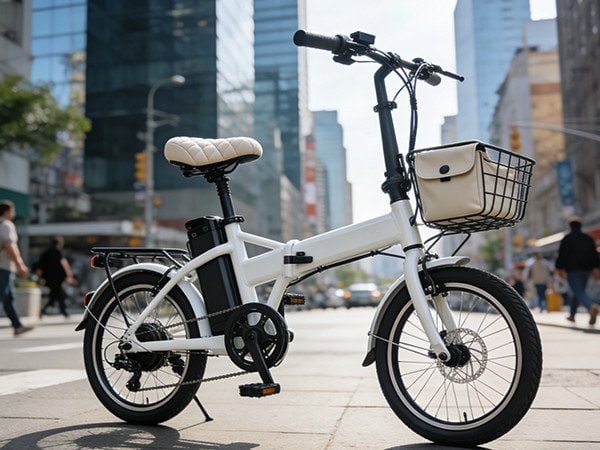
1. 36V eBike 배터리란 무엇인가요?
36V eBike 배터리는 일반적으로 다음과 같이 구성됩니다. 10개의 리튬 이온 셀을 직렬로 연결(10S 구성). 공칭 전압은 36V이며 완전히 충전된 전압은 약 42V에 이릅니다.
이 전압 플랫폼은 업계 표준이 되었습니다:
- 도심 통근용 전기 자전거
- 접이식 전기 자전거
- 경량 페달 보조 자전거
- 공유 모빌리티 및 임대 차량
널리 채택되어 전 세계에서 사용 가능한 모터, 컨트롤러 및 충전기와의 높은 호환성을 보장합니다.
2. 36V 배터리 시스템을 선택하는 이유는 무엇인가요?
이잔 일렉트로닉스의 프로젝트 경험에 따르면 36V 시스템의 인기는 몇 가지 주요 장점에 기인합니다:
- 높은 안전 마진 고전압 플랫폼에 비해
- 성숙한 공급망 안정적인 구성 요소 및 액세서리로
- 규정 준수 용이성 국제 규정 준수
- 균형 잡힌 성능 일상적인 라이딩 요구 사항
- 시스템 비용 절감 보급형 및 중급형 전자 자전거용
많은 브랜드에서 잘 설계된 36V 배터리는 사용자 경험과 제조 효율성 사이에서 최상의 균형을 제공합니다.
3. 36V eBike 배터리의 일반적인 애플리케이션
3.1 도시 통근용 전기 자전거
일상 여행용으로 설계된 이 자전거는 신뢰성, 적당한 주행 거리, 긴 사용 수명을 우선시합니다. 36V 배터리는 이러한 요구 사항을 쉽게 충족합니다.
3.2 접이식 전기자전거
컴팩트한 크기와 무게 감소는 필수입니다. 36V 배터리로 사용성은 그대로 유지하면서 가벼운 디자인을 구현할 수 있습니다.
3.3 공유 및 대여 전자 자전거
표준화된 전압 시스템은 유지보수의 복잡성을 줄이고 차량 관리를 간소화합니다.
3.4 엔트리 레벨 및 미드 레인지 제품 라인
36V 배터리를 사용하면 브랜드는 일관된 성능을 제공하면서 비용을 관리할 수 있습니다.
4. 용량 이해: 아 대 Wh
배터리 용량은 일반적으로 다음과 같이 표현됩니다. 암페어시(Ah) 또는 와트시(Wh). Wh는 전압을 고려하기 때문에 더 정확한 비교를 제공합니다.
일반적인 36V 구성:
- 36V 7Ah-10Ah(250-360Wh): 짧은 출퇴근, 경량 자전거
- 36V 12Ah-14Ah(430-500Wh): 도심 라이딩이 주류를 이룹니다.
- 36V 15Ah-20Ah(540-720Wh): 장거리 통근용
용량 선택 시 주요 고려 사항:
- 모터 전력 등급
- 라이더 체중 및 하중
- 라이딩 지형
- 어시스트 레벨 사용량
- 장기적인 용량 저하
동관 이잔 전자에서는 다음을 기준으로 용량을 선택하는 것이 좋습니다. 이론적 범위 주장이 아닌 실제 사용 시나리오에 대한 설명.
5. 배터리 셀 화학 옵션
5.1 리튬 이온(NCM/NCA)
장점:
- 높은 에너지 밀도
- 가볍고 컴팩트한 디자인
- 최신 전자 자전거 디자인에 이상적
일반적인 사용 사례:
- 소비자 전자 자전거
- 접이식 및 도시형 모델
- 디자인과 휴대성을 중시하는 브랜드
5.2 리튬인산철(LiFePO₄)
장점:
- 뛰어난 열 안정성
- 더 길어진 주기 수명
- 향상된 안전 특성
고려 사항:
- 동일한 용량에 더 큰 크기
- 낮은 에너지 밀도
이잔 일렉트로닉스는 다양한 세포 화학을 지원하고 다음을 수행합니다. 엄격한 세포 등급 지정, 매칭 및 에이징 테스트 팩 조립 전에
6. 신뢰할 수 있는 BMS의 중요성
배터리 관리 시스템(BMS)은 36V eBike 배터리의 인텔리전스 센터입니다. 잘 설계된 BMS는 배터리와 최종 사용자를 모두 보호합니다.
핵심 BMS 기능에는 다음이 포함됩니다:
- 과충전 방지
- 과방전 방지
- 과전류 및 단락 보호
- 온도 모니터링
- 셀 밸런싱
고급 프로젝트의 경우 이잔 일렉트로닉스는 다음을 제공합니다. 맞춤형 BMS 솔루션. 여기에는 스마트 eBike 시스템 및 차량 관리를 위한 UART 또는 CAN과 같은 통신 프로토콜이 포함됩니다.
7. 배터리 팩 구조 및 기계적 설계
성능은 셀만으로 정의되지 않습니다. 기계적 설계는 내구성과 안전성에 중요한 역할을 합니다.
주요 구조 요소:
- 하우징 재질(알루미늄 또는 난연성 플라스틱)
- 내부 충격 흡수 구조
- 방수 밀봉 설계
- 열 관리 레이아웃
대량 생산 전에 이잔 전자가 실시합니다:
- 진동 테스트
- 낙하 테스트
- 방수 테스트
- 고온 및 저온 사이클링
이러한 절차는 실제 라이딩 조건에서 안정적인 성능을 보장합니다.
8. 방수 및 환경 보호
전기자전거 배터리는 비, 먼지, 온도 변화에 노출되어 있습니다. 잘 설계된 36V 배터리는 일반적으로 다음을 달성합니다. IPX4 ~ IPX6 애플리케이션 요구 사항에 따라 보호합니다.
적절한 밀봉, 커넥터 선택 및 통풍 설계는 실외 환경에서 배터리 수명을 연장하고 고장률을 줄이는 데 도움이 됩니다.
9. 해외 시장을 위한 인증 및 규정 준수
규정 준수는 글로벌 배포에 필수적입니다. 일반적인 요구 사항은 다음과 같습니다:
- 운송용 UN38.3
- IEC 62133
- 유럽 전기 자전거용 EN 50604
- CE 마크
- 북미 UL 표준
동관 이잔 전자는 다음을 제공합니다. 프로토타입 테스트부터 대량 생산까지 인증 지원를 통해 고객이 출시 시간 위험을 줄일 수 있도록 지원합니다.
10. 올바른 36V eBike 배터리 제조업체를 선택하는 방법
신뢰할 수 있는 공급업체는 이를 입증해야 합니다:
- 사내 R&D 및 엔지니어링 역량
- 안정적이고 추적 가능한 셀 소싱
- 표준화된 품질 관리 절차
- 확장 가능한 대량 생산 능력
- 장기적인 기술 및 판매 후 지원
가격도 중요하지만 배터리 품질은 브랜드 평판, 보증 비용 및 사용자 안전에 직접적인 영향을 미칩니다..
11. 함께 일해야 하는 이유 동관 이잔 전자 유한 공사?
- 리튬 배터리 팩 제조에 대한 풍부한 경험
- 설계부터 양산까지 원스톱 서비스
- 글로벌 고객을 위한 OEM 및 ODM 지원
- 전자 자전거, AGV, 로봇 공학 및 의료 장비를 다루는 애플리케이션
- 품질, 일관성 및 장기적인 파트너십에 중점을 둡니다.
지속 가능한 협력은 엔지니어링의 신뢰성과 투명한 커뮤니케이션을 기반으로 합니다.
12. 자주 묻는 질문(FAQ)
Q1: 36V 배터리를 48V 모터와 함께 사용할 수 있나요?
전압 불일치는 모터 컨트롤러를 손상시키고 시스템 안전성을 떨어뜨릴 수 있습니다.
Q2: 36V eBike 배터리의 일반적인 수명은 어떻게 되나요?
일반적으로 사용량과 유지 관리에 따라 500-800회 완전 충전 주기를 지원합니다.
Q3: 용량이 크면 항상 좋은가요?
반드시 그렇지는 않습니다. 용량이 크면 무게와 비용이 증가합니다. 적절한 균형이 필수적입니다.
Q4: 36V 배터리를 사용하지 않을 때는 어떻게 보관해야 하나요?
서늘하고 건조한 환경에서 40~60%로 충전하여 보관하세요.
Q5: 이잔 일렉트로닉스는 맞춤형 하우징과 커넥터를 지원하나요?
예. 자전거 구조에 따라 맞춤형 기계 및 전기 설계를 제공합니다.
올바른 선택 36V eBike 배터리 는 성능, 안전성, 장기적인 운영 비용에 영향을 미치는 전략적 결정입니다. 전압과 용량 외에도 셀 품질, BMS 설계, 구조 엔지니어링 및 제조 신뢰성과 같은 요소도 똑같이 중요합니다.
동관 이잔 전자 유한 공사 는 글로벌 전자 자전거 브랜드와 통합업체를 위해 안정적이고 규정을 준수하며 애플리케이션에 최적화된 배터리 솔루션을 제공하기 위해 최선을 다하고 있습니다.
새로운 eBike 프로젝트를 시작하시는 경우 저희가 도와드릴 수 있습니다. 기존 프로젝트를 개선하려면 엔지니어링 팀이 도와드릴 준비가 되어 있습니다. 아이디어 단계부터 대량 생산까지 지원해 드립니다.

 English
  Chinese
  Japanese
  German
  French
  Korean
