
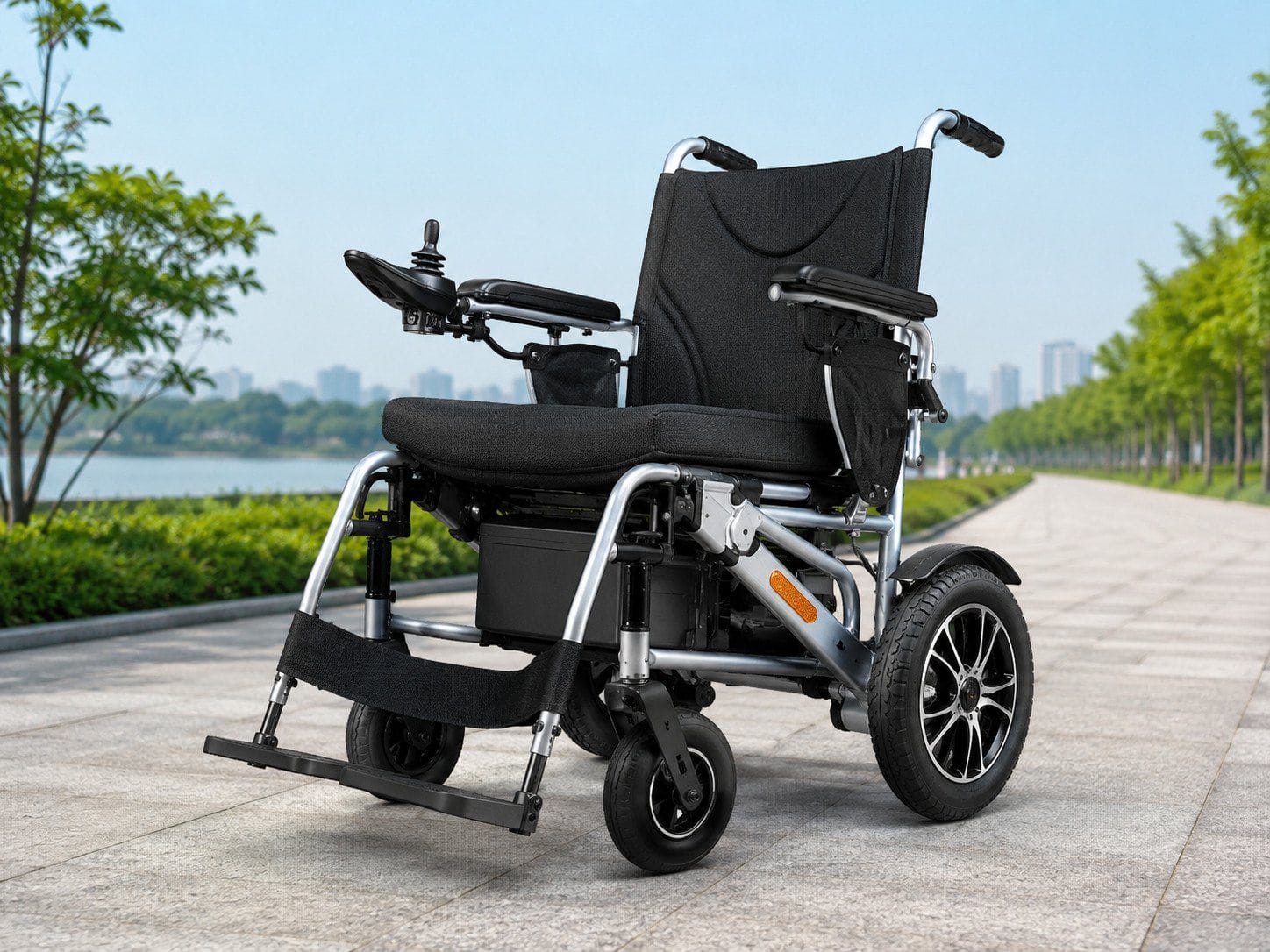
An electric wheelchair battery is more than just a power source. It directly affects driving range, safety, charging time, reliability, and the overall user experience. Whether you are a wheelchair manufacturer, distributor, healthcare provider, or end user, selecting the right battery can improve mobility while reducing maintenance and replacement costs.
Modern electric wheelchairs commonly use 密閉型鉛蓄電池(SLA) batteries or LiFePO4(リン酸鉄リチウム) batteries. While both technologies can power mobility devices, their characteristics differ in terms of lifespan, weight, efficiency, and maintenance.
Understand Your Power Requirements
Before selecting a battery, determine the wheelchair’s electrical specifications.
Consider the following:
- Rated voltage (commonly 24V)
- バッテリー容量(Ah)
- モーター出力
- Maximum driving range
- ピーク電流要件
- Daily usage time
Choosing a battery that matches the wheelchair manufacturer’s specifications helps maintain stable performance.
Consider Daily Usage
Battery requirements vary depending on how the wheelchair is used.
Indoor Use
Typical characteristics:
- Short travel distances
- Smooth flooring
- Frequent charging opportunities
Recommended features:
- コンパクトなサイズ
- 軽量
- 急速充電
Outdoor Use
Outdoor environments often require:
- 長い走行距離
- Higher discharge capability
- Better vibration resistance
- Reliable performance on slopes
Larger battery capacity may be appropriate for extended outdoor travel.
Battery Capacity and Driving Range
Battery capacity is usually measured in amp-hours (Ah).
Common capacities include:
- 20Ah
- 30Ah
- 40Ah
- 50Ah
Higher capacity generally allows longer driving distances but also increases battery size and weight.
Selecting the appropriate capacity depends on:
- User weight
- 地形
- 移動距離
- Wheelchair efficiency
- モーター出力
Weight Matters
Battery weight directly affects wheelchair portability.
Lead-acid batteries are generally heavier than LiFePO4 batteries with similar usable capacity.
A lighter battery may offer benefits such as:
- Easier transportation
- Improved wheelchair efficiency
- Reduced overall vehicle weight
- Better handling
For users who frequently transport their wheelchair in a vehicle, battery weight can be an important consideration.
Battery Lifespan
Battery replacement is one of the long-term ownership costs.
Typical service life:
| バッテリータイプ | 標準サイクル寿命 |
| Sealed Lead Acid | 300~500サイクル |
| LiFePO4 | 2,000–5,000+ cycles |
A longer cycle life can reduce replacement frequency and maintenance over the lifetime of the wheelchair.
充電時間
Charging time affects convenience.
Many modern LiFePO4 battery systems support faster charging than traditional lead-acid batteries when used with compatible chargers.
Users should always use chargers recommended by the battery or wheelchair manufacturer to help maintain battery performance.
安全機能
Safety is especially important for mobility devices.
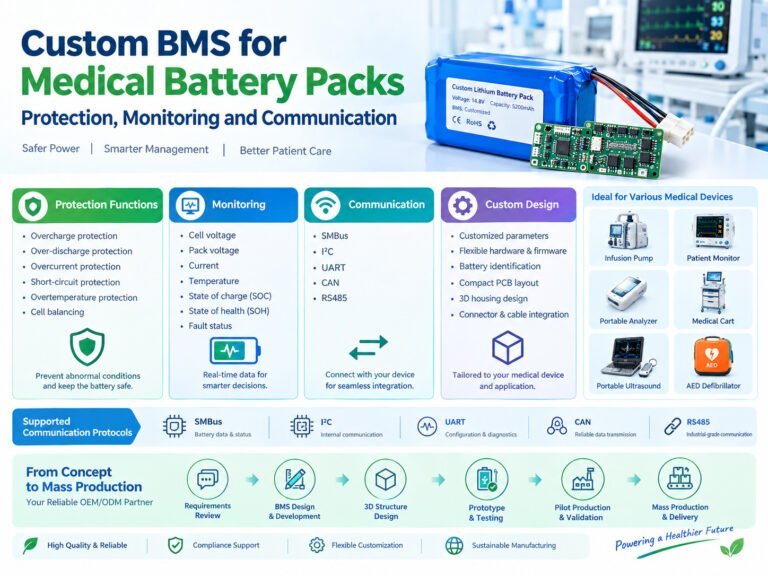
Look for battery packs with an integrated Battery Management System (BMS) that provides protection against:
- 過充電
- 過放電
- 過電流
- 短絡回路
- オーバーヒート
These features help improve operational reliability.
Weather and Temperature Considerations
Electric wheelchairs may be used in different climates.
Consider batteries that can operate reliably within the expected temperature range.
If the wheelchair will be used outdoors in cold regions, consult the manufacturer regarding battery performance and charging limitations at low temperatures.
メンテナンス要件
Lead-acid batteries typically require more attention over their service life.
LiFePO4 batteries generally require less routine maintenance because they do not require electrolyte refilling and include electronic battery management.
Lower maintenance can be beneficial for elderly users and healthcare facilities managing multiple wheelchairs.
Airline and Transportation Considerations
Some wheelchair users travel frequently.
Before flying, verify airline requirements regarding battery type, capacity, and transportation procedures.
Different countries and airlines may have different regulations for lithium batteries used in mobility devices.
Choosing a Reliable Battery Manufacturer
Whether purchasing replacement batteries or developing custom battery packs, evaluate suppliers based on factors such as:
- Manufacturing experience
- Quality management systems
- Battery testing procedures
- 細胞の一貫性
- Battery Management System design
- Product traceability
- テクニカルサポート
- OEM and ODM capabilities
A reliable manufacturer should provide clear technical documentation and testing information for its battery products.
一般的な用途
Electric wheelchair batteries are also used in:
- Mobility scooters
- Medical transport chairs
- リハビリ機器
- Hospital mobility devices
- Patient transport systems
よくあるご質問
How long does an electric wheelchair battery last?
The service life depends on battery chemistry, usage, charging habits, and operating conditions. LiFePO4 batteries generally offer a longer cycle life than sealed lead-acid batteries.
Can I replace a lead-acid battery with a LiFePO4 battery?
In many cases, yes, provided the replacement battery matches the wheelchair’s voltage, dimensions, connector type, and electrical requirements. Always verify compatibility with the wheelchair manufacturer or battery supplier.
What battery capacity should I choose?
Capacity should be selected according to the desired driving range, user weight, terrain, and motor specifications. Higher capacity typically provides longer operating time but may increase size and weight.
Is LiFePO4 safe for electric wheelchairs?
LiFePO4 batteries are known for their thermal stability. Battery packs equipped with a properly designed Battery Management System (BMS) provide additional protection during charging and operation.
How often should I charge my wheelchair battery?
Follow the recommendations provided by the wheelchair and battery manufacturers. Avoid practices that may reduce battery lifespan, such as storing the battery in a deeply discharged state.
結論
Selecting the right electric wheelchair battery involves more than comparing capacity or price. Voltage compatibility, driving range, battery weight, safety features, charging performance, maintenance requirements, and expected service life all contribute to the overall ownership experience.
For manufacturers, distributors, and healthcare providers, choosing a battery solution that meets application requirements and relevant safety standards can help improve product reliability and user satisfaction. For end users, a well-matched battery can support dependable daily mobility while reducing long-term maintenance and replacement needs.
 English
  Chinese
  Japanese
  German
  French
  Korean
