
In der heutigen Welt, in der man immer erreichbar ist, ist unterbrechungsfreie Stromversorgung kein Luxus mehr. Sie ist eine Voraussetzung. Unterbrechungsfreie Stromversorgungssysteme (USV) schützen wichtige Abläufe. Sie unterstützen Rechenzentren, medizinische Geräte, industrielle Automatisierung und Kommunikationssysteme.
Das Herzstück einer jeden USV-Anlage ist ein wesentlicher Bestandteil: die USV-Batterie.
Eine häufige Frage, die wir von globalen Kunden hören, ist: Wie lange hält eine USV-Batterie?
Die kurze Antwort lautet: Es kommt darauf an.
Die lange Antwort ist das, worum es in diesem Leitfaden geht.
Dongguan Yizhan Electronics ist ein professioneller Hersteller von Lithium-Batteriepacks. Seit über zehn Jahren entwickeln, produzieren und individualisieren wir USV-Batterielösungen. Wir beliefern globale OEMs und Systemintegratoren. In diesem Artikel werden wir erklären:
- Typische USV-Batterielebensdauer nach Batterietyp
- Schlüsselfaktoren, die die Lebensdauer der USV-Batterie beeinflussen
- Wie sich die Betriebsumgebung auf die Langlebigkeit auswirkt
- Anzeichen dafür, dass eine UPS-Batterie ersetzt werden muss
- So verlängern Sie die Lebensdauer der UPS-Batterie
- Warum Lithium-USV-Batterien die herkömmlichen Blei-Säure-Batterien ersetzen
Wählen, behalten oder finden Sie USV-Batterien mit Hilfe dieses Leitfadens. Er wird Ihnen helfen, gute Entscheidungen für eine dauerhafte Zuverlässigkeit zu treffen.
Wie lange ist die durchschnittliche Lebensdauer einer USV-Batterie?
Die Lebensdauer von USV-Batterien hängt von der Batteriechemie, den Einsatzbedingungen und den Wartungspraktiken ab.
Typische USV-Batterielebensdauer nach Typ
Batterietyp und durchschnittliche Lebensdauer:
- VRLA Blei-Säure-Batterien (AGM/Gel): 3-5 Jahre
- Überflutete Bleisäure: 5-8 Jahre
- Lithium-Ionen (Li-Ion): 8-12 Jahre
- LiFePO₄ (Lithium-Eisen-Phosphat): 10-15 Jahre
Herkömmliche Blei-Säure-Batterien haben USV-Systeme jahrzehntelang dominiert, vor allem wegen der niedrigeren Anschaffungskosten. USV-Batterien auf Lithiumbasis, insbesondere LiFePO₄, werden immer beliebter. Sie halten länger, funktionieren besser und kosten insgesamt weniger.
Bei Dongguan Yizhan Electronics konzentrieren wir uns auf Kundenspezifische Lithium-USV-Batteriepacks entwickelt, um herkömmliche Lösungen zu übertreffen und gleichzeitig eine stabile Leistung unter anspruchsvollen Bedingungen zu liefern.
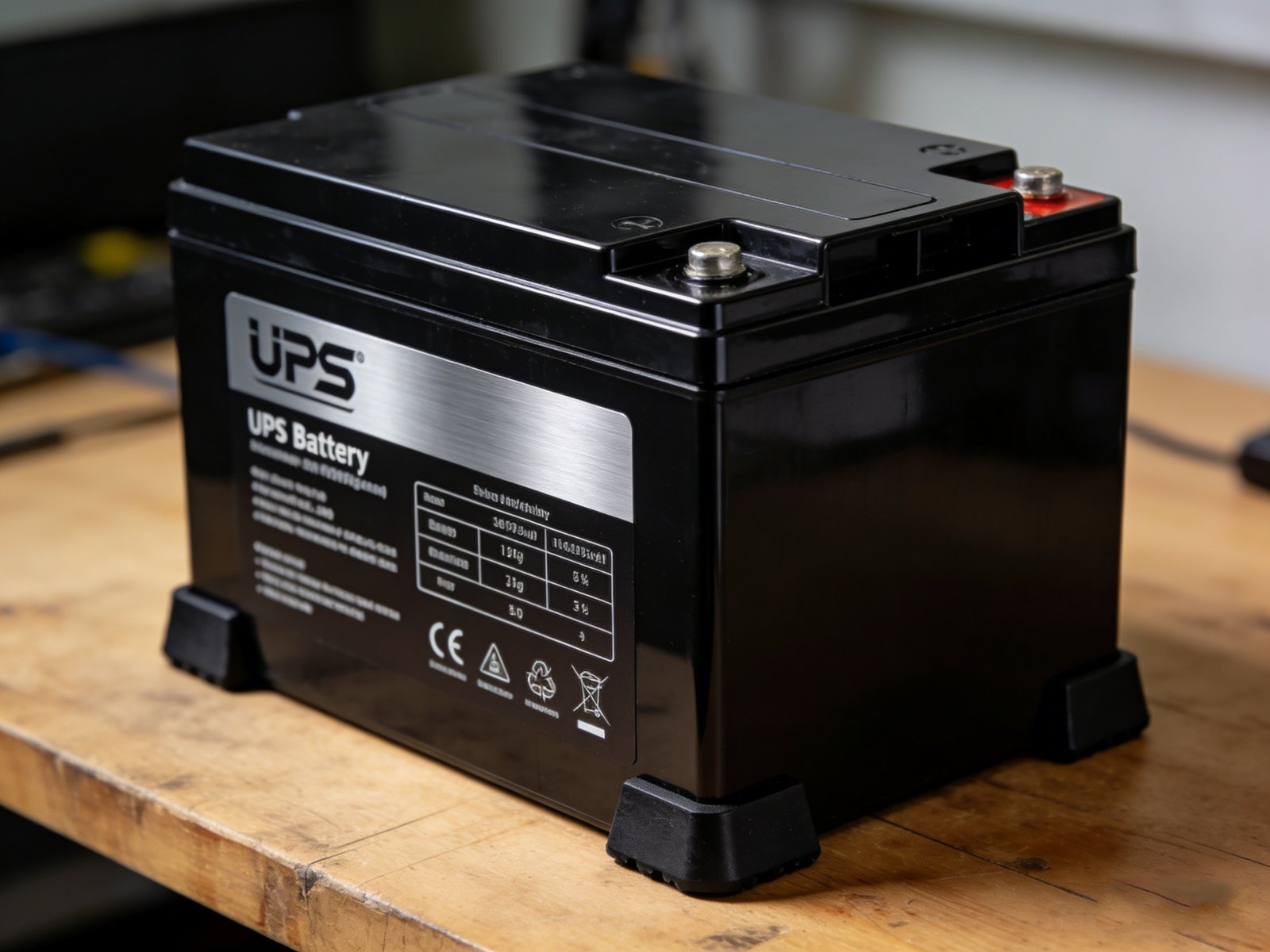
Schlüsselfaktoren, die die Lebensdauer von UPS-Batterien beeinflussen
USV-Batterien fallen nicht zufällig aus. Mehrere vorhersehbare Faktoren beeinflussen ihre Lebensdauer.
1. Batteriechemie
Die Batteriechemie ist der wichtigste Faktor für die Lebensdauer einer USV-Batterie.
- Blei-Säure-Batterien aufgrund von Sulfatierung und begrenzter Lebensdauer schneller abbauen.
- Lithium-Ionen-Batterien bieten eine höhere Energiedichte und eine längere Zykluslebensdauer.
- LiFePO₄-Batterien bieten eine überlegene thermische Stabilität, eine tiefere Entladungsfähigkeit und eine deutlich längere Lebensdauer.
Aus diesem Grund werden viele industrielle und unternehmenskritische USV-Systeme auf Lithium-Lösungen umgestellt.
2. Betriebstemperatur
Die Temperatur spielt eine entscheidende Rolle bei der Alterung von USV-Batterien.
- Für jeden 10°C (18°F) Anstieg über 25°C, können Sie die Lebensdauer von Blei-Säure-Batterien um fast 50% reduzieren.
- Zu kalte Temperaturen verringern die verfügbare Kapazität und die Entladeleistung.
- Lithiumbatterien, wenn sie mit BMS und Wärmeschutz richtig ausgelegt sind, leisten in einem größeren Temperaturbereich mehr.
Dongguan Yizhan Electronics stellt UPS-Batteriesysteme die bei kaltem Wetter gut funktionieren. Diese Systeme liefern auch unter schwierigen Bedingungen eine konstante Leistung.
3. Tiefe der Entleerung (DoD)
Die Entladetiefe gibt an, wie viel Batteriekapazität bei jedem Stromausfall verbraucht wird.
- Kurzzeitige Entladungen verlängern die Lebensdauer der Batterie.
- Tiefentladungen verkürzen die Lebensdauer, insbesondere bei Blei-Säure-Batterien.
- Lithium- und LiFePO₄-Batterien vertragen tiefere Entladungen ohne nennenswerte Beeinträchtigung.
Unsere Lithium-USV-Batteriepacks sind so konzipiert, dass sie Folgendes unterstützen hohe DoD-Operation und gleichzeitig eine lange Lebensdauer.
4. Lade- und Entladezyklen
Jede USV-Batterie hat eine begrenzte Anzahl von Lade- und Entladezyklen.
- Blei-Säure-Batterien halten in der Regel 300-500 Zyklen
- Lithium-Ionen-Batterien können mehr als 2000 Zyklen
- LiFePO₄-Batterien erreichen oft 4000-6000 Zyklen
Für Anwendungen mit häufigen Stromunterbrechungen oder täglichem Wechsel bieten Lithiumbatterien klare Vorteile.
5. Lademethode und Stromqualität
Unsachgemäßes Laden ist ein versteckter Killer für USV-Batterien.
- Eine Überladung beschleunigt die interne Degradation.
- Unterladung führt zur Sulfatierung von Blei-Säure-Batterien.
- Schlechte Netzqualität führt zu Wärmestau und Stress.
Yizhan Electronics integriert intelligente BMS-Systeme in Lithium-USV-Batterien, um eine präzise Spannungsregelung, den Ausgleich der Zellen und den Schutz vor abnormalen Bedingungen zu gewährleisten.
Wie lange hält eine USV-Batterie bei verschiedenen Anwendungen?
Die Lebensdauer von USV-Batterien hängt auch stark von den Anwendungsszenarien ab.
Rechenzentren und Serverräume
- Typische USV-Laufzeit: kurz, aber häufig
- Hohe Temperaturempfindlichkeit
- Empfohlene Lösung: Lithium- oder LiFePO₄-USV-Batterien
- Erwartete Lebensdauer: 8-12+ Jahre
Medizinische Ausrüstung
- Null Toleranz für Fehler
- Stabile Spannung und sauberer Strom erforderlich
- Lange Standby-Zeiten mit gelegentlicher Entladung
- Erwartete Lebensdauer: 10+ Jahre mit Lithium-Batterien
Dongguan Yizhan Electronics liefert Kundenspezifische USV-Batteriepacks für medizinische Zwecke die internationalen Sicherheitsstandards entsprechen.
Industrielle Automatisierung und Steuerungssysteme
- Raue Umgebungen
- Hohe Lastschwankungen
- Häufige Störungen der Stromversorgung
- Erwartete Lebensdauer: 6-10 Jahre je nach Chemie
Telekommunikation und Netzinfrastruktur
- Entfernte Installationen
- Temperatur-Extreme
- Begrenzter Zugang zur Wartung
- Lithium-USV-Batterien senken die Wartungskosten erheblich
Anzeichen dafür, dass eine UPS-Batterie bald das Ende ihrer Lebensdauer erreicht hat
USV-Batterien fallen selten ohne Vorwarnung aus. Häufige Anzeichen sind:
- Verkürzte Backup-Laufzeit
- Häufige Alarme bei niedrigem Batteriestand
- Längere Ladezeiten
- Geschwollenes oder verformtes Batteriegehäuse
- Überhitzung während des Betriebs
- USV-Selbsttest-Fehler
Werden diese Anzeichen ignoriert, erhöht sich das Risiko eines plötzlichen Stromausfalls und eines Systemausfalls.
Wie oft sollten USV-Batterien ausgetauscht werden?
Allgemeine Richtlinien für den Austausch:
- Blei-Säure-USV-Batterien: jede 3-5 Jahre
- Lithium-USV-Batterien: jede 8-12 Jahre
- Umgebungen mit hohen Temperaturen: ein Austausch kann früher erforderlich sein
Anstatt sich allein auf die Zeit zu verlassen, empfiehlt Dongguan Yizhan Electronics Kapazitätsprüfung und Gesundheitsüberwachung um den tatsächlichen Ersatzbedarf zu ermitteln.
So verlängern Sie die Lebensdauer einer UPS-Batterie
Zwar altern alle Batterien, doch kann der richtige Umgang mit ihnen die Lebensdauer erheblich verlängern.
Best Practices für eine längere Lebensdauer der UPS-Batterie
- Halten Sie die Betriebstemperatur zwischen 20-25°C
- Vermeiden Sie Tiefentladungen wann immer möglich
- Intelligente Ladesysteme verwenden
- Regelmäßige Inspektionen und Kapazitätstests durchführen
- Wählen Sie die richtige Batteriechemie für Ihre Anwendung
Die Umrüstung von Blei-Säure- auf Lithium-Akkus ist oft die effektivste langfristige Strategie.
Blei-Säure- und Lithium-USV-Batterien: Ein Lebenszyklus-Vergleich
| Merkmal | Blei-Säure | Lithium (LiFePO₄) |
| Lebenserwartung | 3-5 Jahre | 10-15 Jahre |
| Wartung | Hoch | Minimal |
| Gewicht | Schwer | Leichtgewicht |
| Ladung Geschwindigkeit | Langsam | Schnell |
| Betriebstemperatur | Begrenzt | Breite Palette |
| Gesamtbetriebskosten | Hoch | Im Laufe der Zeit niedriger |
Obwohl Lithium-USV-Batterien höhere Anschaffungskosten verursachen, führen ihre längere Lebensdauer und geringere Wartung zu niedrigeren Gesamtkosten.
Warum sich immer mehr Unternehmen für Lithium-USV-Batterien von Dongguan Yizhan Electronics entscheiden
Wir sind ein professioneller Hersteller von Akkus, Dongguan Yizhan Elektronik Angebote:
- Vollständig integrierte F&E und Produktion
- Kundenspezifische UPS-Batterielösungen (OEM & ODM)
- Erweiterte BMS-Konstruktion und -Integration
- Unterstützung für Li-Ionen- und LiFePO₄-Chemien
- Übereinstimmung mit UL, CE, IEC, UN38.3 und anderen weltweiten Zertifizierungen
- Stabile Versorgung der globalen Märkte
Unser Entwicklungsteam arbeitet eng mit USV-Herstellern, Systemintegratoren und Industriekunden zusammen, um Batterien zu liefern, die länger halten, besser funktionieren und langfristige Risiken reduzieren.
Auswahl der richtigen UPS-Batterie für langfristige Zuverlässigkeit
Bei der Auswahl einer USV-Batterie sollte die Lebensdauer niemals ein nachträglicher Gedanke sein. Sie wirkt sich direkt aus:
- Zuverlässigkeit des Systems
- Instandhaltungskosten
- Risiko von Ausfallzeiten
- Gesamtbetriebskosten
Ganz gleich, ob Sie ein bestehendes USV-System aufrüsten oder eine neue Stromversorgungslösung entwickeln, die Wahl der richtigen Batteriechemie und des richtigen Lieferanten macht den Unterschied.
Schlussfolgerung: Wie lange hält eine USV-Batterie?
Wie lange hält eine USV-Batterie?
- Blei-Säure-USV-BatterienTypisch: 3-5 Jahre
- Lithium-USV-Batterien8-12 Jahre
- LiFePO₄-USV-Batterienbis zu 15 Jahre bei richtiger Auslegung
Unter Dongguan Yizhan Elektronik, Wir sind der Meinung, dass USV-Batterien nicht nur für die Notstromversorgung gebaut werden sollten, sondern für langfristiges Vertrauen. Mit fortschrittlicher Lithium-Batterietechnologie und professionellen Fertigungskapazitäten unterstützen wir Kunden weltweit beim Aufbau von USV-Systemen, die sich im Laufe der Zeit bewähren.
Suchen Sie nach einer kundenspezifischen UPS-Batterielösung?
Wenn Sie auf der Suche nach einem zuverlässigen USV-Batteriehersteller sind oder ein Upgrade von Blei-Säure auf Lithium planen, Dongguan Yizhan Elektronik ist bereit, Ihr Projekt mit fachkundiger Technik und bewährten Batterielösungen zu unterstützen.

 English
  Chinese
  Japanese
  German
  French
  Korean
