
In today’s fast-paced world, electric mobility, renewable energy, and smart devices lead the market. Lithium-ion batteries are now the key to portable and sustainable power. Off-the-shelf battery packs can meet general needs.
However, many industrial and commercial projects need something more specific. They require a custom lithium-ion battery pack. This pack designers create for unique applications, performance needs, and operating conditions.
So, what exactly is a custom lithium-ion battery pack? Why do so many industries choose customized solutions instead of standard ones? And how can you ensure your battery pack meets global safety and performance standards?
1. What Is a Custom Lithium-Ion Battery Pack?
A custom lithium-ion battery pack is a made-to-order energy storage solution. The design team creates it based on a client’s needs for voltage, capacity, size, shape, and use.
Custom battery packs are different from standard ones. Standard packs have fixed sizes, like 36V 10Ah or 48V 20Ah.
Designers create custom packs for specific needs. They work best in special situations. This includes electric bicycles, medical devices, robots, solar storage systems, and AGVs.
Each custom pack typically includes:
- 电池单元 (18650, 21700, prismatic, or pouch type)
- 电池管理系统 (BMS) for protection and communication
- Customized casing or housing
- Connectors, cables, and waterproof sealing
- Smart communication protocols (CAN, UART, RS485, etc.)
Custom battery packs can be designed to meet strict standards such as UN38.3, CE, UL, IEC62133, and EN50604, ensuring they comply with international regulations for transport, safety, and quality.
2. Why Choose a Custom Lithium-Ion Battery Pack?
Standard batteries are good for many devices. However, some industries require power solutions that fit their unique designs and performance needs. Here’s why custom battery packs are increasingly popular:
(1) Tailored Voltage and Capacity
Every application demands a specific voltage and runtime. Customization lets engineers choose the right number of cells in series and parallel. For example, they can create a 52V 17.5Ah pack for an electric bike or a 24V 200Ah pack for solar energy storage.
(2) Optimized Size and Shape
In devices with limited space — such as medical equipment, drones, or wearable devices — battery dimensions are critical. You can shape a custom lithium-ion pack to fit within tight compartments without compromising performance.
(3) Enhanced Safety and Durability
Custom packs can have strong 套管s, thermal protection layers和 smart BMS protection. These features help prevent overcharging, over-discharging, short circuits, and overheating.
(4) Longer Battery Lifespan
By choosing 优质电池 like Samsung, LG, EVE, or CATL and adjusting charging settings, a custom pack can last longer. It often exceeds 800 to 2000 个周期, depending on the type of chemistry and how users apply it.
(5) Smart Function Integration
Modern lithium battery systems can have smart features. These include SOC (state of charge) indicators 和 Bluetooth monitoring. They also support CAN bus communication. Some systems even allow IoT integration for tracking energy remotely.
3. Common Applications of Custom Lithium-Ion Battery Packs
The versatility of lithium-ion technology allows customization across multiple sectors. Below are the most common areas where custom battery packs are essential:
1. Electric Bicycles and Scooters
E-bike makers often need special battery designs for the down-tube or rear rack. These designs must fit specific frame shapes and sizes. Custom packs ensure balanced weight distribution, improved waterproofing, and smart BMS management for safe charging and discharging.
2. Robots and Automated Guided Vehicles (AGVs)
In robotics and AGVs, power reliability and fast charging are vital. Designers can create custom Li-ion packs for high discharge rates 和 continuous use. This allows for long working hours and less downtime.
3. Solar and Energy Storage Systems
People often use custom LiFePO4 and lithium-ion battery packs. They are popular for home energy storage. People also use them for off-grid power 和 solar street lights. These batteries provide high efficiency, deep cycling capability, and scalability.
4. Medical Equipment
Medical devices demand compact, lightweight, and reliable power sources. Manufacturers often use custom lithium packs in portable oxygen concentrators, infusion pumps和 monitoring systems. Safety certifications are crucial for these devices.
5. Industrial and Marine Applications
Custom battery systems are used in forklifts, cleaning machines, marine vehicles, and backup systems. Designers can create them for high vibration resistance, corrosion protection和 IP67 waterproof levels.
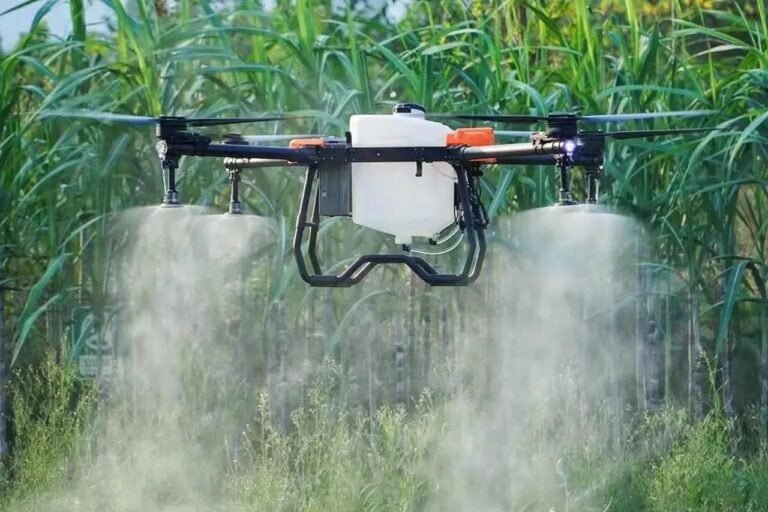
6. Electric Tools and Drones
For power tools and UAVs, lightweight and high-power-density packs are essential. Custom lithium packs offer fast discharge performance 和 optimized energy density, ensuring consistent output and safety.
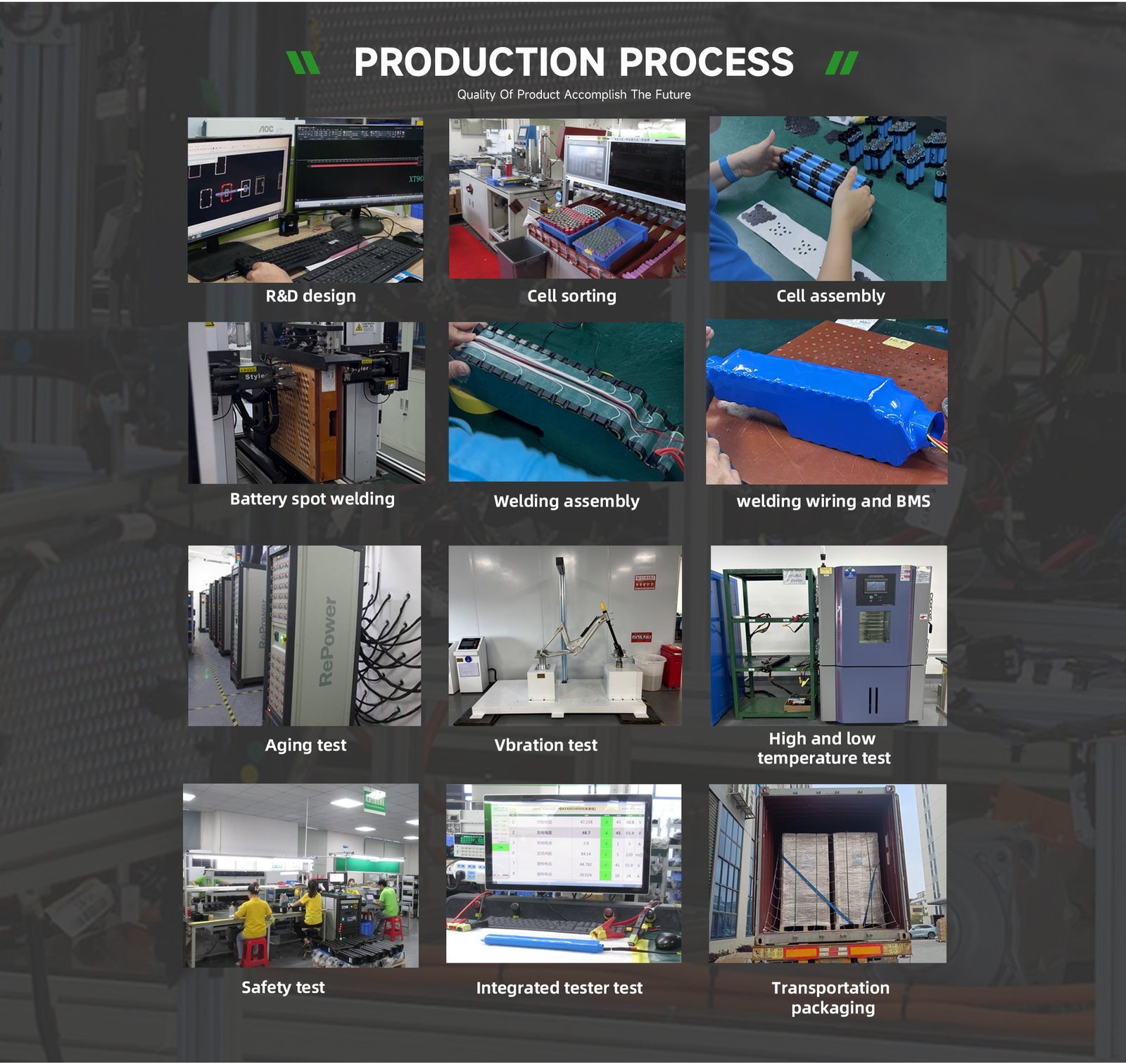
4. The Customization Process: From Design to Delivery
Creating a reliable custom lithium-ion battery pack involves professional engineering and a structured development process. Here’s how it typically works:
Step 1: Requiring
The process begins with understanding the client’s needs — including voltage, capacity, discharge current, size limits, and operating conditions (temperature, humidity, etc.).
Step 2: Cell Selection
Engineers choose the most suitable cells based on energy density, discharge rate, and budget. Common choices include:
- 18650 / 21700 cylindrical cells for compact designs
- Prismatic cells for large-capacity packs
- LiFePO4 cells for long lifespan and safety
Step 3: Electrical and Mechanical Design
CAD modeling and simulation ensure that the battery pack layout is correct. They also check that the BMS wiring is proper. Finally, they confirm that the mechanical structure meets performance and safety requirements.
Step 4: BMS and Smart Features Integration
"(《世界人权宣言》) Battery Management System is programmed to monitor voltage, temperature, and current. It can also include smart communication protocols like CAN, SMBus, or Bluetooth for data exchange and diagnostics.
Step 5: Prototyping and Testing
A prototype is produced and tested for:
- Capacity and voltage accuracy
- 热管理
- Vibration and drop resistance
- Cycle life and charging efficiency
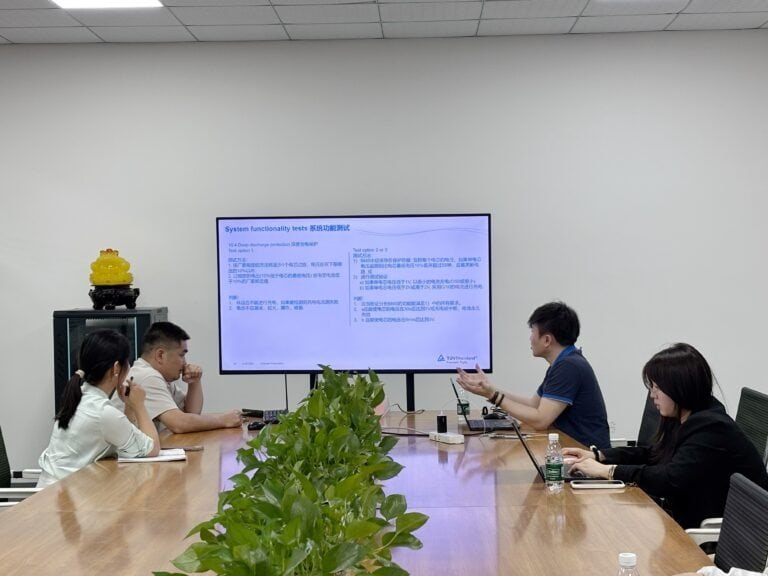
Step 6: Certification and Compliance
Before mass production, the custom pack undergoes safety testing and obtains certifications such as UN38.3, CE, UL2271, EN50604和 IEC62133.
Step 7: Mass Production and Quality Control
Once approved, the battery enters large-scale manufacturing under strict QC procedures. The team tests each pack before shipment to ensure performance consistency and safety.
5. Types of Lithium Cells Used in Custom Packs
Different projects require different lithium chemistries. Here are the most common types used in custom battery packs:
| **电池类型** | **Chemistry** | **Advantages** | **Typical Application** |
| **Li-ion (NCM/NCA)** | Nickel Cobalt Manganese / Aluminum | 能量密度高、重量轻 | E-bikes, tools, drones |
| **LiFePO4** | 磷酸铁锂 | Long cycle life, stable and safe | Solar, AGV, marine |
| **LTO** | Lithium Titanate | Ultra-fast charging, extreme temperature performance | Industrial, backup systems |
Each chemistry provides a balance of energy density, safety和 费用. This helps manufacturers choose the right cell type for each application.
6. Safety and Certification: The Backbone of Custom Batteries
Safety is the top priority in lithium-ion battery design. Reputable manufacturers integrate multiple protection layers both at the 电池 和 系统 level.
Built-in Protection
- 过充电/过放电保护
- 过流保护
- Temperature management (NTC sensors)
- Short circuit prevention
- Balance management for long cycle life
Certifications You Should Look For
- UN38.3 – Required for air transport
- CE / RoHS – For European market compliance
- ul2271 / ul2580 – For e-mobility and energy storage
- EN50604 – For electric bicycle batteries in the EU
- IEC62133 – For portable battery safety
Choosing a manufacturer with these certifications ensures your products meet global export and performance standards.
7. The Role of Professional Manufacturers
Selecting the right partner for your custom lithium-ion battery project determines your success. Professional factories like 深圳市一级动力能源有限公司 和 东莞一展电子科技有限公司 specialize in designing and manufacturing OEM/ODM battery solutions for global clients.
What Professional Manufacturers Offer:
- One-stop service: cell selection, BMS design, housing, assembly, and testing
- Certified production lines: ISO9001, ISO14001, IATF16949 compliance
- Experienced R&D engineers with expertise in energy systems
- 全球支持 for logistics, export documentation, and after-sales service
These factories use well-known brands like EVE, Samsung, LG, and CATL. They also use advanced methods to ensure reliability, safety, and performance.
8. Future Trends in Custom Lithium-Ion Battery Technology
The battery industry continues to evolve rapidly, driven by the global push toward electrification and sustainability. Key future trends include:
- Higher Energy Density Cells: Next-generation 21700 and 4680 cells enable more power in smaller spaces.
- Smart Battery Systems: IoT-enabled BMS allows remote monitoring and predictive maintenance.
- Solid-State Batteries: Safer and more energy-dense, with faster charging times.
- Recyclable Materials: Eco-friendly manufacturing and recovery processes reduce carbon footprint.
- Integration with AI and Cloud: Intelligent algorithms optimize charging, extend battery life, and prevent failure.
9. Conclusion: Powering the Future with Custom Battery Solutions
A custom lithium-ion battery pack is more than just a power source. A well-designed energy system meets the specific needs of today’s devices and industries. Whether you’re building a new generation of e-bikes, robotics systems, or solar energy storage units, customization ensures maximum performance, safety, and reliability.
You can turn your ideas into reality. You have experienced partners like 东莞一展电子科技有限公司 You can go from idea to mass production with confidence and skill.
In today’s world, energy fuels new ideas. Custom lithium-ion battery packs are helping to build a cleaner and smarter future.

 English
  Chinese
  Japanese
  German
  French
  Korean
