With the rapid development of the electric bicycle market, the battery, as a core component of the entire vehicle, directly affects the riding experience in terms of safety, performance, and lifespan. Correct battery installation not only ensures vehicle performance but is also a crucial aspect of safety.
This article will share key considerations for electric bicycle battery installation, helping brands and users standardize operations and answering common installation questions.

1. Key Considerations for Electric Bicycle Battery Installation
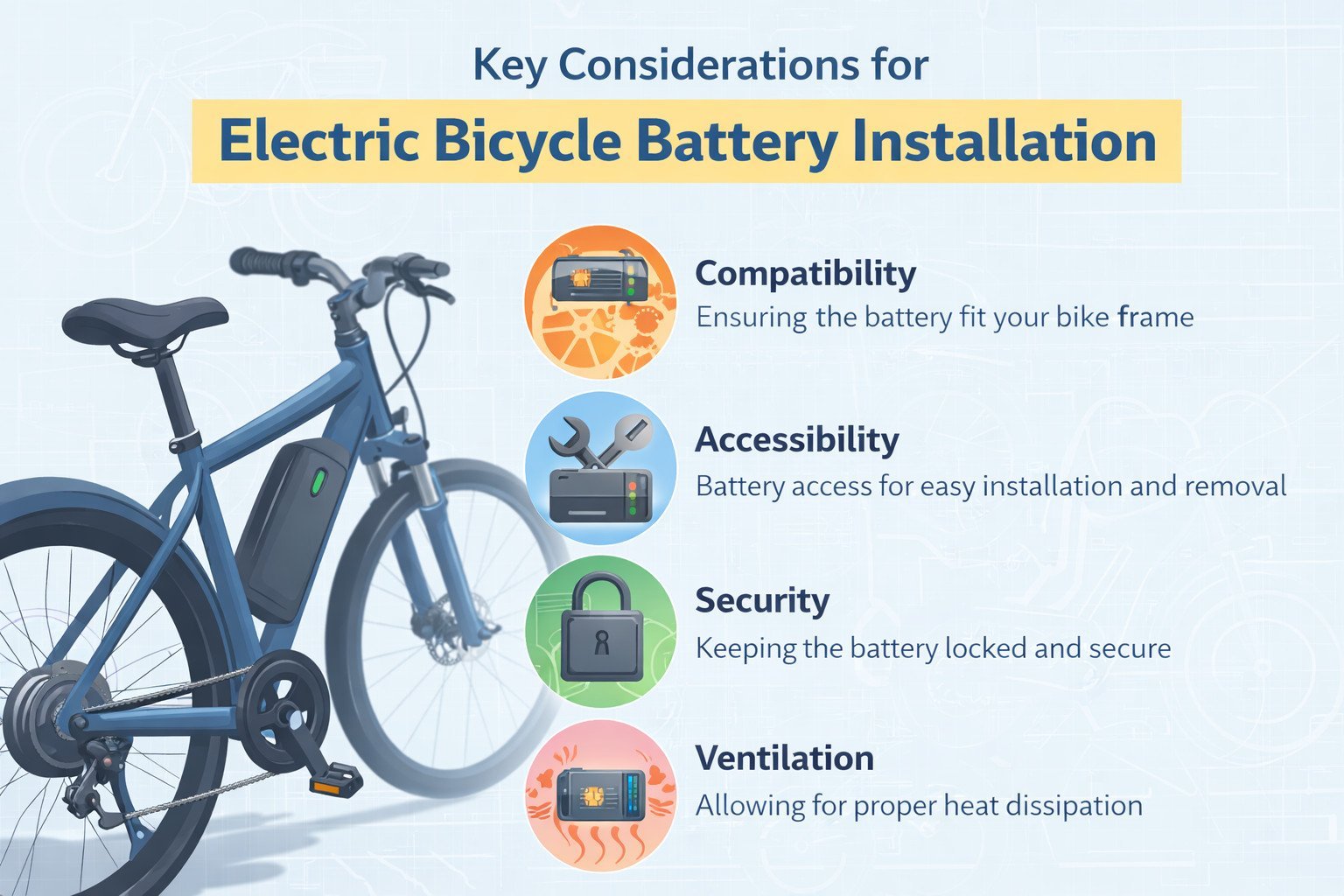
1. Confirm Battery Model Matches the Vehicle
Different models have different requirements for battery voltage, capacity, and size.
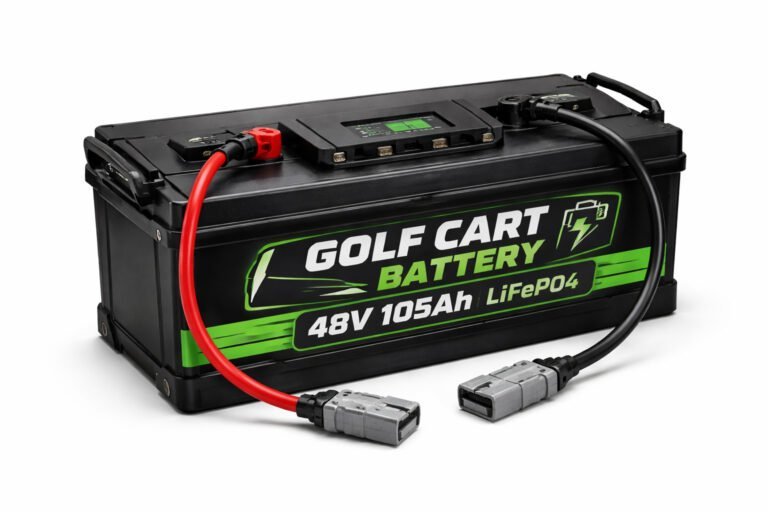
Before installation, confirm that the battery voltage (e.g., 36V, 48V, 52V, etc.) matches the vehicle’s motor.
Confirm that the battery size, interface, and fixing method conform to the frame design.
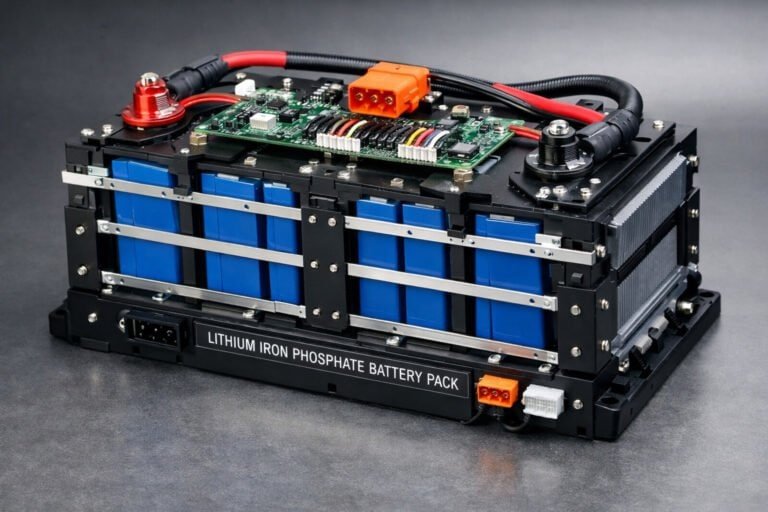
Using an incompatible battery may lead to BMS protection activation, reduced vehicle performance, or even safety accidents.
2. Keep Dry and Clean
Before installation, the battery interface, frame interface, and surrounding environment should be kept dry, free of dust and oil, and avoid contact with corrosive substances.
It is recommended to clean the interface with a dry cloth.
Avoid direct contact of hand sweat or moisture with the battery terminals.
3. Ensure Secure Installation
The battery will be subjected to vibration, impact, or bumps during riding. Insecure fixing may lead to:
Battery loosening or falling off
Poor contact, leading to abnormal motor power output
Damage to the BMS and battery cells
Yizhan Electronic batteries support various fixing methods: down tube mounting, rear rack mounting, or hidden embedded design, and are equipped with shock-absorbing structures.
4. Avoid Forced Installation or Modification
Do not forcibly press in or modify the battery casing and interface, as this may lead to:
Battery structure damage
BMS function failure
Safety hazards, such as short circuits or overheating
It is recommended to strictly follow the manufacturer’s installation instructions.
5. Pay Attention to Waterproofing and Environmental Protection
Although electric bicycle batteries have a certain degree of waterproofing (IP65/IP67), the following should still be noted during installation:
Ensure the interface seal is intact.
Do not operate the battery directly in heavy rain or standing water.
Avoid prolonged exposure to sunlight or high temperatures.
6. Post-Installation Inspection and Testing
After installation, the following checks are recommended:
Whether the battery and vehicle interfaces are in complete contact.
Whether the BMS is working normally (indicator lights or display status are normal).
Whether the vehicle motor is running smoothly.
No abnormal noises or overheating.
Ensure everything is normal before riding.
结论
The correct installation of electric bicycle batteries not only ensures the overall performance of the vehicle but also forms the basis for safe riding. Yizhan Battery is committed to providing safe, reliable, and mass-producible lithium battery solutions for global brand customers, and through technical guidance and FAQs, helps brands and users standardize usage, extend battery life, and ensure riding safety.
For more installation guidelines or customized battery solutions, please contact the Yizhan Battery technical team. We will provide professional support and solutions.
3. Frequently Asked Questions (FAQ)
1. Does a new battery need to be fully charged after installation?
Answer: It is recommended to fully charge the battery before first use. This helps with BMS initialization and accurate range calculation.
2. Can the battery be installed on different models of bicycles?
Answer: No. Different battery models have differences in voltage, current, capacity, and interface design. Forcing installation may trigger BMS protection or create safety hazards.
3. Is it normal for the battery indicator light to flash after installation?
Answer: Flashing may indicate BMS self-check or low battery. It is recommended to check the status according to the instruction manual, and if necessary, charge the battery or contact the manufacturer for support.
4. What are the consequences of an insecurely installed battery?
Answer: A loose battery may lead to poor contact, abnormal power, or safety accidents, and also affect battery life. Ensure it is securely fixed according to the manufacturer’s specifications.
5. How to ensure long-term safe use of the battery?
Answer:
Follow the correct installation steps.
Regularly check the fixing and interface status.
Avoid high temperature, humid, or corrosive environments.
Use a matching charger.
If any abnormalities occur, stop using the battery immediately and contact the manufacturer.