
With the continuous development of global maritime transportation, electric vessels, and the leisure yacht industry, traditional marine power supply systems are facing unprecedented challenges. Lead-acid batteries, which have long been the core of ship energy systems, are increasingly unable to meet the application needs of modern vessels in terms of efficiency, safety, service life, and environmental performance.
Marine lithium battery systems have rapidly emerged as the ideal solution for electric boats, yachts, fishing vessels, workboats, and onboard auxiliary power systems. Based on years of practical experience in the research and manufacturing of lithium battery systems, this article systematically explains the core advantages of marine lithium batteries from technical, performance, and application perspectives.
Part 1: Higher Energy Density, Significantly Reducing Vessel Weight
Weight control is crucial in marine applications. An overweight battery system not only reduces effective payload space but also affects speed, maneuverability, and overall energy efficiency.
Compared with traditional lead-acid batteries, marine lithium batteries have a higher energy density, mainly reflected in:
Smaller volume at the same capacity
Overall weight reduction of 40%-60%
More flexible installation layout
For electric boats, yachts, and light vessels, weight reduction means longer cruising range, better sailing stability, and higher power efficiency; for commercial vessels, it helps improve overall operational efficiency.

Part 2: Longer Cycle Life, Reducing Total Life Cycle Costs
Although lithium batteries have a higher initial purchase cost than lead-acid batteries, their ultra-long cycle life makes them more economical in the long run.
Typical comparison:
Lead-acid batteries: approximately 300-500 cycles
Marine lithium batteries: approximately 2000-4000 cycles or more
Under normal operating conditions, high-quality marine lithium batteries can operate stably for 8-10 years or even longer, significantly reducing replacement frequency, maintenance costs, and downtime risks.
From a total cost of ownership (TCO) perspective, marine lithium batteries are a more cost-effective energy solution in the long term.
Part 3: High Charge and Discharge Efficiency, More Stable Output Performance
Ship power systems typically need to simultaneously power propulsion systems, navigation equipment, lighting, refrigeration systems, and various auxiliary equipment, placing higher demands on the stability and efficiency of the battery. Marine lithium batteries offer the following advantages:
Charging and discharging efficiency can reach over 95%
Stable voltage platform during discharge
Can withstand high-rate discharge, meeting instantaneous high-power demands
Unlike lead-acid batteries, which experience a rapid voltage drop under high load, lithium batteries maintain stable output throughout the entire discharge cycle, ensuring reliable operation of ship equipment.
Part 4: Supports deep discharge, resulting in greater usable capacity
In practical applications, the “nominal capacity” of a battery is not equivalent to its “usable capacity.”
Lead-acid batteries typically only utilize 50%-60% of their rated capacity.
Marine lithium batteries can safely achieve a discharge depth of 80%-90% or even higher.
This means that, with the same nominal capacity, lithium batteries can provide longer operating time and help reduce the number of batteries, saving installation space and system weight.
Part 5: Intelligent BMS management system, comprehensively enhancing safety
The complex and ever-changing marine environment, with high humidity, high salt spray, continuous vibration, and temperature fluctuations, places extremely high demands on the safety of battery systems.
Yizhan Electronics’ marine lithium batteries are equipped with a mature and reliable battery management system (BMS), which provides multiple safety protections:
Overcharge and over-discharge protection
Overcurrent and short-circuit protection
Real-time temperature monitoring and abnormal protection
Cell consistency management and active balancing
Through coordinated software and hardware control, it ensures the long-term, safe, and stable operation of the battery system in complex marine environments.
Part 6: Maintenance-free design, reducing the burden of ship operation
Traditional lead-acid batteries require regular electrolyte checks, terminal cleaning, and corrosion prevention, resulting in high maintenance costs and workload.
Marine lithium batteries adopt a fully sealed, maintenance-free structure with the following advantages:
No need for fluid replenishment
No acid mist leakage
No risk of terminal corrosion
This not only reduces the daily maintenance work of the crew but also reduces safety hazards caused by improper maintenance, making it especially suitable for commercial vessels and high-frequency operation scenarios.
Part 7: Faster charging speed, improving operational flexibility
In commercial shipping and high-intensity use scenarios, charging efficiency directly affects the operational rhythm of the vessel. Marine lithium batteries support efficient and fast charging:
Shorter charging time
Compatible with high-power charging equipment
Efficient charging even when not fully charged
This feature makes them ideal for vessels requiring high turnaround efficiency, such as ferries, patrol boats, and workboats.
Part 8: Green and environmentally friendly, conforming to future shipping development trends
Driven by global energy conservation, emission reduction, and green shipping policies, clean energy has become an important development direction for the shipping industry.
Marine lithium batteries have the following environmental advantages:
Zero emissions during operation
No risk of fuel or acid leakage
Long service life and high recyclability
Combined with electric propulsion or hybrid power systems, they can significantly reduce noise and vibration, making them ideal for inland waterways, ports, lakes, and ecologically sensitive waters.
Part 9: Strong adaptability, covering a variety of ship application scenarios
Marine lithium battery systems are highly flexible and can be customized according to different ship types and operating conditions, and are widely used in:
Electric yachts and leisure boats
Fishing boats and aquaculture workboats
Inland waterway transport vessels
Port workboats and special vessels
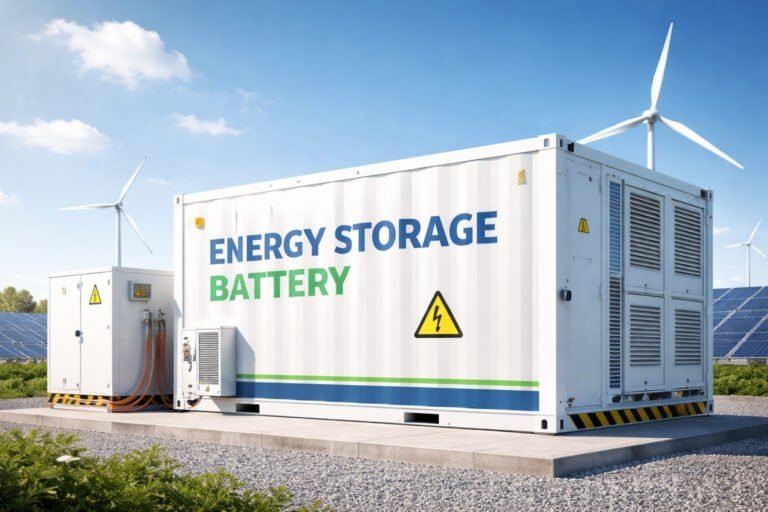
Marine energy storage and emergency backup power systems
Part 10: Adapting to harsh environments and ensuring long-term stable operation
The marine and aquatic environment places extremely high demands on equipment durability. High-quality marine lithium batteries achieve this through:
Reinforced structural design
High protection level casing
Battery cell system optimized for marine operating conditions
Ensuring reliable performance and long service life even in high humidity, high salt spray, and continuous vibration environments.
Conclusion: Marine lithium batteries are reshaping ship energy systems
From energy density, service life, and safety to environmental attributes, marine lithium batteries are comprehensively replacing traditional battery solutions, becoming a core component of modern ship power and power supply systems.
Dongguan Yizhan Electronics Technology Co., Ltd. always adheres to safety as the foundation, performance as the core, and application as the guide, providing reliable, customizable, and long-term cooperative marine lithium battery solutions for global customers. As the electrification and intelligence of ships accelerate, lithium battery technology will unleash greater value in the maritime field, helping the industry move towards a more efficient, green, and sustainable future.


 English
  Chinese
  Japanese
  German
  French
  Korean
