
As the global demand for renewable energy continues to rise, energy storage batteries have become an essential component of modern power systems. From residential solar installations to industrial energy management, efficient energy storage solutions are key to achieving reliability, sustainability, and cost optimization.
As a professional lithium battery solution provider, Dongguan Yizhan Electronics Technology Co., Ltd. is committed to delivering high-performance energy storage systems. In this article, we explain what energy storage batteries are, how they work, and why they are crucial for the future of energy.
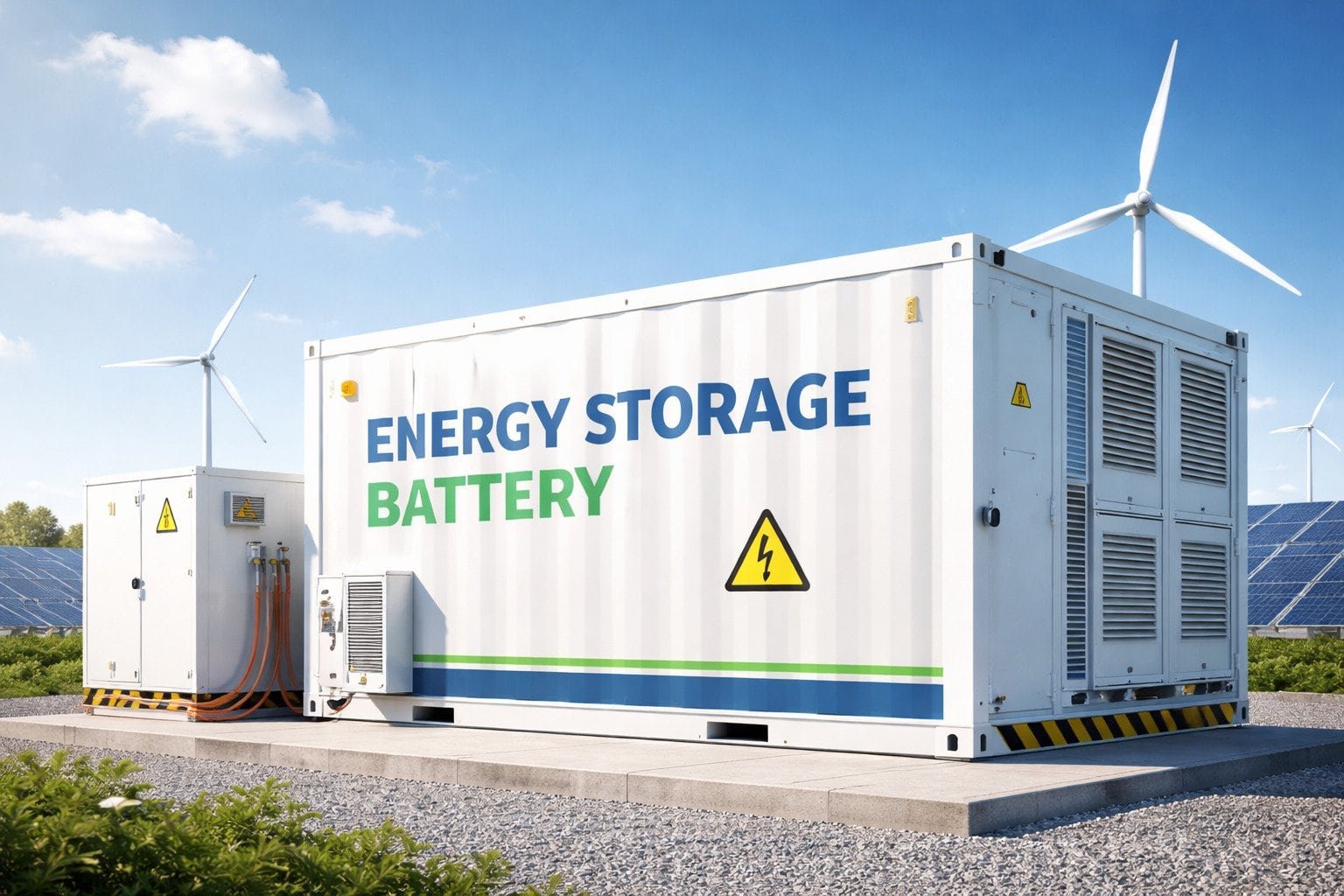
What Is an Energy Storage Battery?
An energy storage battery is a device that stores electrical energy and releases it when needed. It allows users to capture excess energy generated from renewable sources such as solar panels and use it later when energy demand increases or when generation is unavailable.
Energy storage batteries are widely applied in:
Residential solar systems
Commercial and industrial energy management
バックアップ電源システム
Off-grid and microgrid solutions
By integrating energy storage into power systems, users can improve efficiency, reduce energy waste, and enhance power reliability.
How Does an Energy Storage Battery Work?
Energy storage batteries operate through a continuous cycle of charging, storing, and discharging energy.
1. Charging Process
When energy production exceeds consumption—such as during peak solar generation—excess electricity is stored in the battery. The battery converts electrical energy into chemical energy for storage.
2. Energy Storage
The stored energy is retained within the battery cells until it is needed. Advanced systems are designed to minimize energy loss and maintain high efficiency over time.
3. Discharging Process
When energy demand rises or solar generation stops, the battery releases stored energy. The chemical energy is converted back into electrical energy to power devices, homes, or industrial equipment.
4. Battery Management System (BMS)
A critical component of modern energy storage batteries is the Battery Management System (BMS), which ensures safe and stable operation by monitoring:
Voltage and current
温度
State of charge (SOC)
System protection status
The BMS prevents overcharging, over-discharging, overheating, and short circuits, ensuring long-term reliability.
Types of Energy Storage Batteries
Lithium Iron Phosphate (LiFePO4) Batteries
LiFePO4 batteries are currently the most widely used technology in energy storage due to:
Long cycle life (4000–6000+ cycles)
優れた熱安定性と安全性
High efficiency (up to 95%)
Minimal maintenance requirements
They are ideal for residential, commercial, and industrial applications.
Lithium NMC Batteries
NMC batteries offer higher energy density and compact size, making them suitable for applications with limited installation space. However, they typically have a shorter lifespan compared to LiFePO4 batteries.
鉛蓄電池
Lead-acid batteries are a traditional option with lower initial cost, but they have shorter lifespans, lower efficiency, and higher maintenance requirements.
Why Energy Storage Batteries Are Important
Energy storage batteries provide significant advantages across multiple applications:
Energy Independence
Store your own energy and reduce reliance on the grid.
Backup Power
Ensure uninterrupted power supply during outages.
Cost Optimization
Reduce electricity bills by storing energy during low-cost periods and using it during peak demand.
Renewable Energy Utilization
Maximize the use of solar or wind energy and reduce energy waste.
Environmental Sustainability
Support the transition to clean energy and reduce carbon emissions.
Applications of Energy Storage Batteries
Energy storage solutions are widely used in:
Residential systems: Home solar storage and backup power
Commercial applications: Peak shaving and energy cost management
Industrial systems: Reliable power for equipment and automation
Utility-scale projects: Grid stability and large-scale energy storage
Future Trends in Energy Storage
The energy storage industry continues to evolve, with key trends including:
Rapid growth of LiFePO4 battery adoption
Integration with smart energy management systems
Development of modular and scalable battery designs
Increasing demand for renewable energy storage solutions
These trends highlight the growing importance of energy storage in the global energy transition.
Why Choosing the Right Manufacturer Matters
Selecting a reliable battery manufacturer is essential to ensure long-term performance, safety, and return on investment.
At Dongguan Yizhan Electronic Technology Co., Ltd., we focus on:
Strict quality control and comprehensive testing
Advanced BMS integration
Custom battery solutions tailored to customer needs
国際基準の遵守
Strong technical support and after-sales service
Our expertise in lithium battery manufacturing enables us to deliver safe, efficient, and durable energy storage solutions for global customers.
FAQ
Q1: What is an energy storage battery used for?
A: It stores electricity for later use, improving energy efficiency and providing backup power.
Q2: Which battery is best for energy storage?
A: LiFePO4 batteries are widely considered the best due to their safety, long lifespan, and high efficiency.
Q3: How long do energy storage batteries last?
A: Typically 10–15 years for LiFePO4 batteries, depending on usage conditions.
Q4: Are energy storage batteries safe?
A: Yes, especially when equipped with advanced BMS and safety protection systems.
Q5: Can energy storage batteries reduce electricity costs?
A: Yes, they help optimize energy usage and reduce dependence on expensive peak electricity.
 English
  Chinese
  Japanese
  German
  French
  Korean
