
When you’re choosing lithium-ion battery packs for bicycles, robots, golf carts, or even industrial equipment, people always ask the same question: What are the issues with lithium-ion battery packs?
I’m struggling to decide between IP65 and IP67 batteries. What’s the difference between them? I want to know which one is better suited to my needs. Should I choose an IP65 or IP67 battery? I think my biggest consideration should be the protection capabilities of the IP65 and IP67 batteries.
On the surface , IP67 seems to be the best choice.
In practice, the answer is not so simple.
Choosing the right waterproof rating for your battery is crucial and can directly impact your budget. Furthermore, batteries can experience problems at high temperatures, such as shortened lifespan or even safety hazards. This article will compare IP65 and IP67 batteries in an easy-to-understand way, helping product manufacturers, distributors, and system assemblers choose the right battery based on their actual needs, rather than just advertising claims.
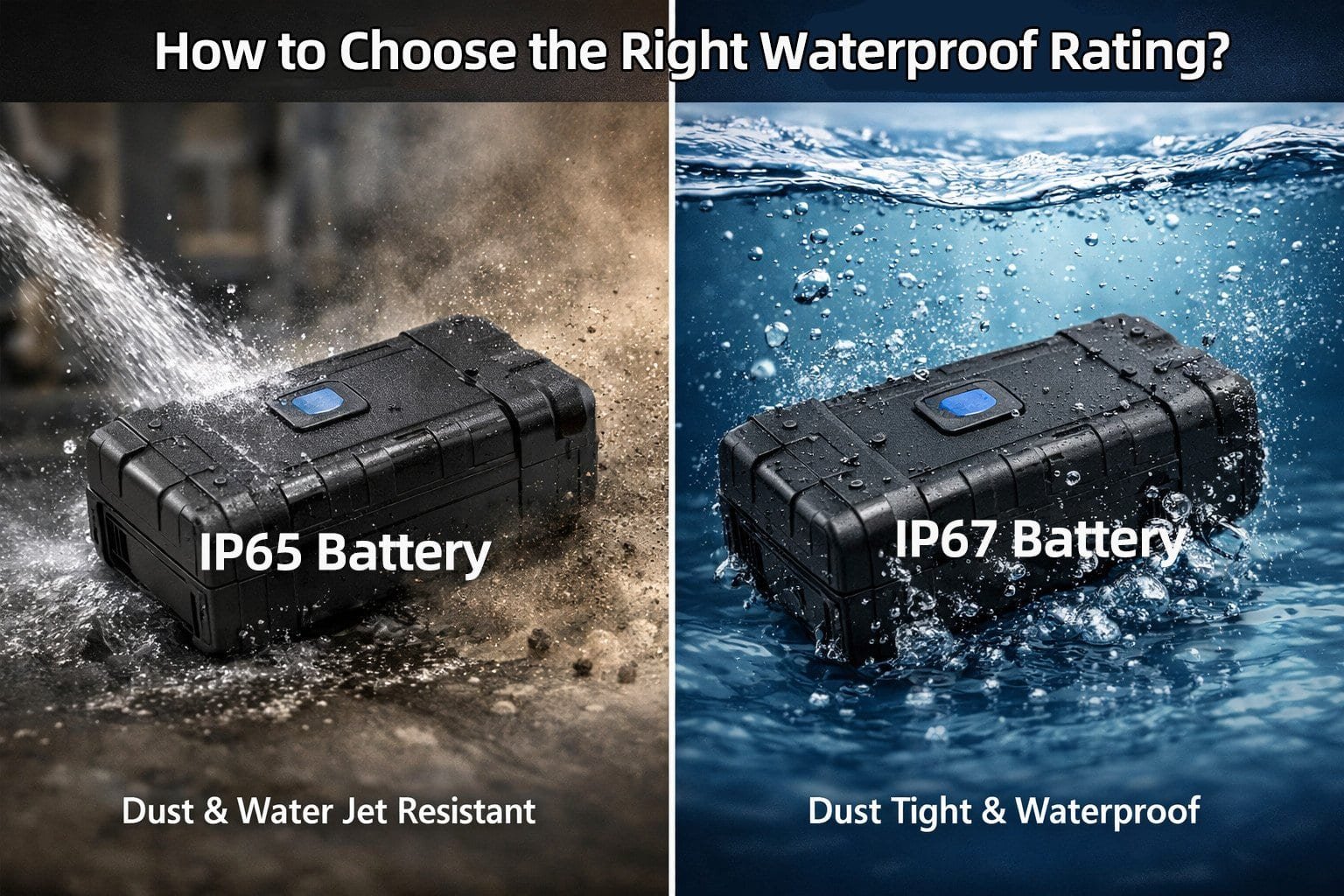
1. What do IP65 and IP67 mean for battery packs?
IP protection rating, or “intrusion protection rating,” is defined according to the IEC 60529 standard. This rating measures an object’s (such as a box or case) ability to protect against dust and water ingress. IP protection rating is crucial because it helps us understand whether an object will be susceptible to moisture or dust ingress. The intrusion protection rating is used to describe this protective capability.
IP Rating Structure
First digit (6): Dustproof
Second digit (5 or 7): Waterproof
IP65 Protection Rating Explained
6: Completely dustproof
5: Resistant to low-pressure water jets from any direction.
In actual operation:
IP65 batteries offer excellent rain and splash resistance, ensuring they won’t be damaged even after prolonged outdoor exposure. This is because IP65 batteries are specifically designed to withstand outdoor environments, water, and harsh weather conditions, making them extremely rugged and durable, and they will continue to function even when exposed to moisture.
IP67 Details
6: Completely dustproof
7: Prevents brief immersion in water (typically 1 meter deep, 30 minutes).
In actual operation:
IP67 batteries are extremely durable. They will function normally even if accidentally dropped into water or submerged for a period of time. This means they can be submerged in water for extended periods. If you are concerned about the possibility of your batteries getting wet, then using IP67 batteries is a good option.
2. IP65 vs. IP67: Overview of Key Differences
Aspect IP65 battery IP67 battery
Fully dustproof
Waterproofing measures: water jets, rainwater, temporary immersion
Typical applications: outdoor cycling, industrial use, flood-prone environments
Lower cost Higher cost
Better heat dissipation , more challenging
Structure: Semi-sealed and fully sealed
Lighter weight
Key points:
An IP67 rating provides waterproof protection, but it’s not always the best choice. Sometimes, an IP65 rating is better because it offers more balanced overall performance. Both IP65 and IP67 ratings have their advantages and disadvantages. IP67 excels in waterproofing, while IP65 generally provides better overall performance.
3. Is IP67 always better than IP65?
No.
This is one of the most common misconceptions in battery procurement.
The IP67 protection rating is indeed excellent, with outstanding waterproof performance. However, it also has some drawbacks:
3.1 Increased costs
More complex sealing structure
More advanced connectors
Assembly time is longer
3.2 Thermal Management Challenges
A completely sealed casing will trap heat.
Elevated body temperature accelerates cellular aging. This is because the accumulation of heat speeds up cell aging. Therefore, cells age faster in high-temperature environments. This heat buildup is detrimental to cells and accelerates cellular aging. Cellular aging refers to the aging and dysfunction of cells in the body, and the accumulation of heat exacerbates this problem.
High discharge systems are more sensitive
3.3 Effects of weight and size
Thicker shell
Additional gaskets and sealing materials
For many applications, IP65 protection is more than sufficient.
4. In what situations is an IP65 battery the right choice?
Typical IP65 battery applications
electric bicycles and electric scooters
AGV and AMR
産業用ロボット
Outdoor power equipment
Warehousing and logistics system
Why is IP65 protection effective?
It can withstand heavy rain and water splashes.
Helps to better dissipate heat
It is more suitable for large-scale deployment and is more cost-effective.
Easier to maintain and integrate
In most industrial applications, an IP65 protection rating is sufficient. It provides the necessary protection, performs well, and is cost-effective. This is indeed the case for 90% of such applications. The IP65 rating is ideal because it balances protection, performance, and cost. It provides the necessary protection to ensure equipment operation without incurring excessive costs.
5. When should you choose an IP67 battery?
You should consider an IP67 battery when you need one that can withstand harsh environments. These batteries are ideal for outdoor use or in environments that may be exposed to moisture. For example, if your device is frequently used near water or in rain, an IP67 battery is a good choice. IP67 batteries are also suitable for devices used in dusty environments. Therefore, if you need a battery that can handle various environments, you should choose an IP67 battery.
IP67 batteries are designed for extremely harsh environments, such as underwater or dusty environments. These IP67 batteries are not for general use, but are designed for use in special high-risk environments.
Typical IP67 battery applications
Golf carts travel on slippery terrain
Low-speed electric vehicles driving in flood-prone areas
Outdoor energy storage system
Equipment frequently exposed to stagnant water
Why is an IP67 protection rating needed?
Prevent damage caused by accidental water immersion
Increasing safety margins in extreme weather conditions
Protect internal electronic components from water corrosion.
You should only choose an IP67 protection rating when there is a real possibility of water immersion, not just when you think it might happen. IP67 applies to situations where the risk of water immersion actually exists, not just your imagination. Therefore, you need to consider the risk of water immersion before choosing an IP67 protection rating.
6. Water resistance rating depends on more than just the casing.
When people buy products they believe are waterproof, they often assume it’s the metal casing that makes them waterproof. This is not the case. The true determinant of a product’s waterproof performance is usually its internal structure, the part most prone to water seepage. This is typically the key component of a waterproof product. Therefore, a product’s waterproof performance depends on this key component, not just the metal casing.
Key waterproof design factors
Connector seal
Cable export
BMS PCB Protection
Casing seams and fasteners
Adhesive and gasket materials
Dongguan Yizhan Electronics Technology Co., Ltd. believes that design is a major task involving the entire system rather than a single component. When designing waterproof solutions, they consider the entire system.
7. IP65 vs. IP67: Impact on Battery Life
IP65 battery
Better heat dissipation performance
Reduce internal temperature increase
In high-current applications, cycle life is typically longer.
IP67 battery
Enhanced waterproof performance
Poor design can lead to higher internal thermal stress.
Fine-grained thermal optimization is required.
in conclusion:
A poor-quality IP67 battery will not last as long as a high-quality IP65 battery. This is because IP67 batteries are poorly designed. A well-designed IP65 battery is far superior to a poorly designed IP67 battery.
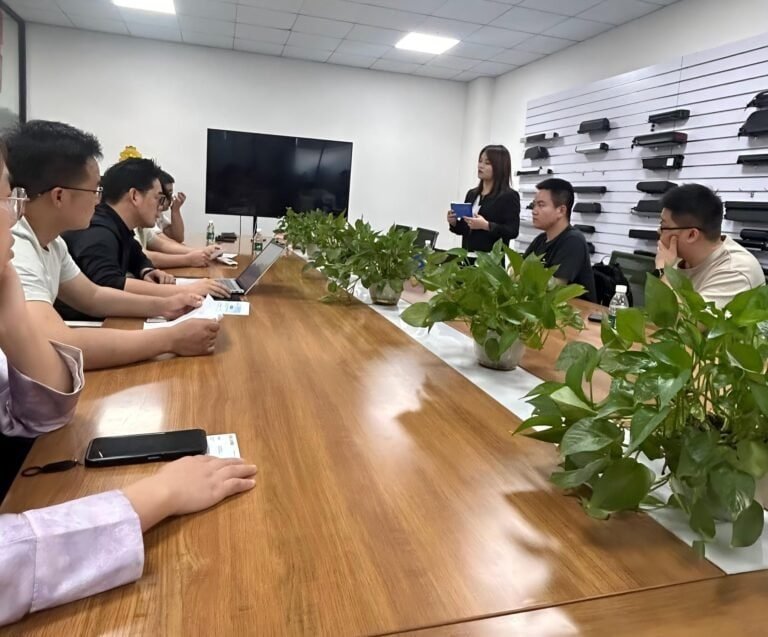
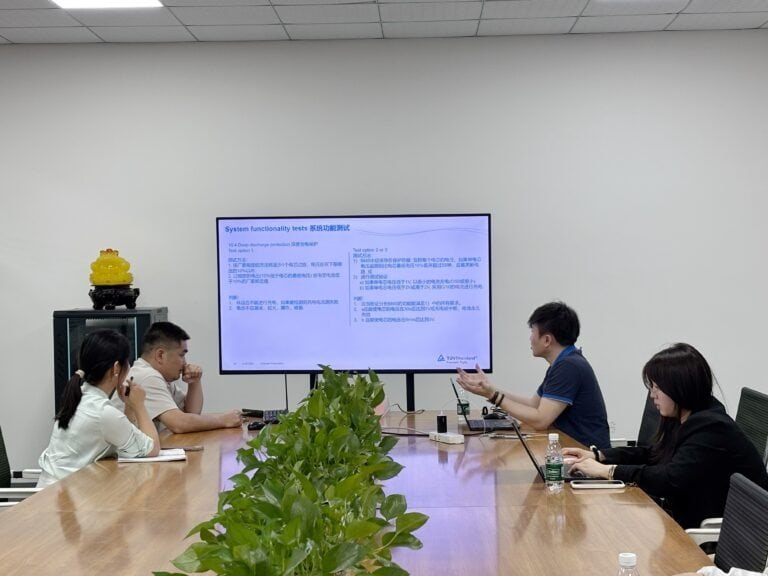
Yizhan Electronics is committed to ensuring product reliability. Therefore, they test the entire battery pack, not just the casing. This allows Yizhan Electronics to guarantee that the battery pack will function properly even in humid conditions.
Yizhan Electronics will test the assembled battery packs to ensure their safe use.
Testing involves many aspects. We need to understand the specifics of the test. Testing involves multiple steps and many people.
* Personnel conducting the test
* Tools we use for testing
The test includes all of these things, and the test is very important.
Water spray and jet test
Temporary immersion test (applicable to IP67)
Humidity aging test
Post-test electrical and insulation verification
We only ship batteries that have passed two tests. These tests ensure the batteries are waterproof and functional. Only batteries that pass both tests are approved for shipment. We ensure all batteries are waterproof and functional before shipping.
8. Common mistakes buyers make when choosing IP tiers
❌ Myth 1: People believe that if something has an Internet Protocol address (IP address), it must be of high quality. This is incorrect. A higher IP address does not necessarily mean better quality. Like addresses, IP addresses do not reflect the quality of things to computers. Therefore, a higher IP address does not necessarily mean better quality.
The idea that a higher level of Internet protocol means better quality is wrong.
The true quality of a product depends on its engineering design, the materials used, and the testing procedures, not just the IP certification number. The IP certification number is only one aspect of quality. To determine the quality of a product, one must examine its engineering design, the materials used, and the thoroughness of its testing.
❌ Myth 2: “All IP67 batteries are the same”
The design quality of products produced by different companies varies greatly. Some companies excel in design, while others do not. The design quality of a product can be very good or very poor; it depends entirely on the company that produces it.
❌ Myth 3: “Choose IP67 for future needs”
Over-design typically means increased costs and less-than-expected results. This is because over-design often leads to compromises in cost and performance for the product or system. Therefore, over-design causes problems because it makes the product or system more expensive and less efficient than actually needed, which is a major issue associated with it.
9. IP65 or IP67: Three simple questions to help you choose
Before making a choice, please ask:
So the question is, will the battery actually be submerged in water? I mean, will the battery actually be submerged in water? The key question is, will the battery be completely covered in water?
Is heat dissipation critical for this application?
Is cost sensitivity important to this project?
If the risk of water immersion is low → IP65
If the risk of water immersion does exist → IP67
If unsure, please consult an experienced battery manufacturer.
10. Why choose Dongguan Yizhan Electronic Technology Co., Ltd.?
Dongguan Yizhan Electronics Technology Co., Ltd. is a battery manufacturing company, primarily producing customized lithium battery packs. Below are some of their services:
IP65 and IP67 waterproof battery solutions
OEM and ODM services
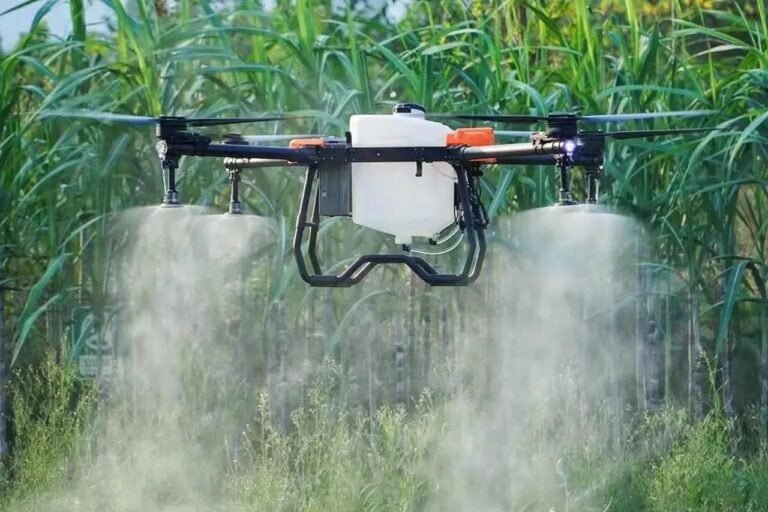
Batteries suitable for electric bicycles, AGVs, robots, golf carts, forklifts, and industrial systems.
Application-oriented waterproof and thermal insulation design
Strict quality control and testing procedures
We assist our clients in choosing the appropriate IP tier based on their specific needs, rather than simply selecting the highest tier. IP tiers are crucial to our clients, and we ensure they receive the right one.
11. Final conclusion: IP65 vs. IP67 — Which battery is better?
There is no absolutely “better” choice.
✔ IP65 protection rating is ideal for most outdoor and industrial applications
For underwater activities or similar situations, an IP67 protection rating is crucial. In true immersion scenarios, IP67 is indispensable because it ensures the safety of equipment in water. When you need to immerse your device in water, an IP67 protection rating is essential, making it crucial to have one in these situations.
The system design is crucial; it is more important than the Internet Protocol (IP) number.
System design refers to the factors that enable a system to operate effectively and the factors that make the system useful to people.
System design is the most important thing, not the system’s IP address.
Good system design can make a significant difference, so we should focus on system design, not IP addresses.
System design is an issue we should consider when building a system.
Choosing the right product ensures optimal performance, a longer lifespan, and long-term cost savings. A correct choice means a clear understanding of the total cost of your selected product.
If you are evaluating IP65 and IP67 batteries for your project, Dongguan Yizhan Electronics Technology Co., Ltd. is ready to support you with professional engineering insights and customized solutions.
よくある質問(FAQ)
Q1: What does IP67 actually mean for a battery pack?
IP67 means the battery pack is:
Completely dust-tight (6)
Protected against temporary immersion in water (7), typically up to 1 meter for 30 minutes
However, IP67 does not mean the battery can operate underwater continuously. It is designed for accidental or short-term water exposure.
Q2: Can a battery still fail even if it has a high waterproof rating?
Yes.
Waterproof rating alone does not guarantee long-term reliability. Battery failure can still occur due to:
Poor sealing around connectors or cables
Inadequate BMS protection
Thermal stress caused by over-sealing
Incorrect installation or mechanical damage
That is why system-level engineering and real-world testing are critical.
Q3: Which parts of a battery pack are most vulnerable to water ingress?
The most common weak points include:
Charging and discharge connectors
Cable outlets and strain relief areas
Housing seams and fasteners
BMS interfaces and PCB areas
Q4: How can buyers verify a supplier’s waterproof claims?
Buyers should request:
Waterproof test reports for the complete battery pack
Details of the testing method (spray, jet, immersion, etc.)
Information on sealing materials and connector ratings
Post-test electrical performance verification
Reputable manufacturers should also support factory audits and technical discussions.

 English
  Chinese
  Japanese
  German
  French
  Korean
