
The global mobility-aid industry is growing quickly. As people age, the need for high-quality electric wheelchairs, mobility scooters, and medical transport vehicles is increasing. At the core of every mobility device is a reliable, safe, and long-lasting custom wheelchair battery pack. A well-designed battery affects range, power, safety, and the user’s independence.
正しい選択 custom wheelchair battery maker is crucial for wheelchair brands, distributors, and OEM providers. Many battery factories, especially in China, provide customization services. Understanding what makes a good manufacturer is important.
This guide explains the important factors to think about when choosing a wheelchair battery partner. It focuses on long-term reliability, safety, good after-sales support, and meeting medical-grade standards.
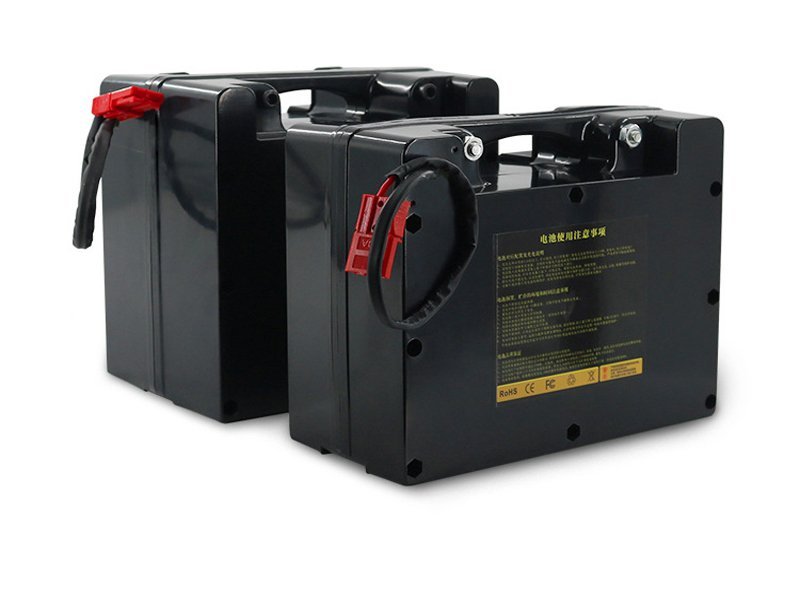

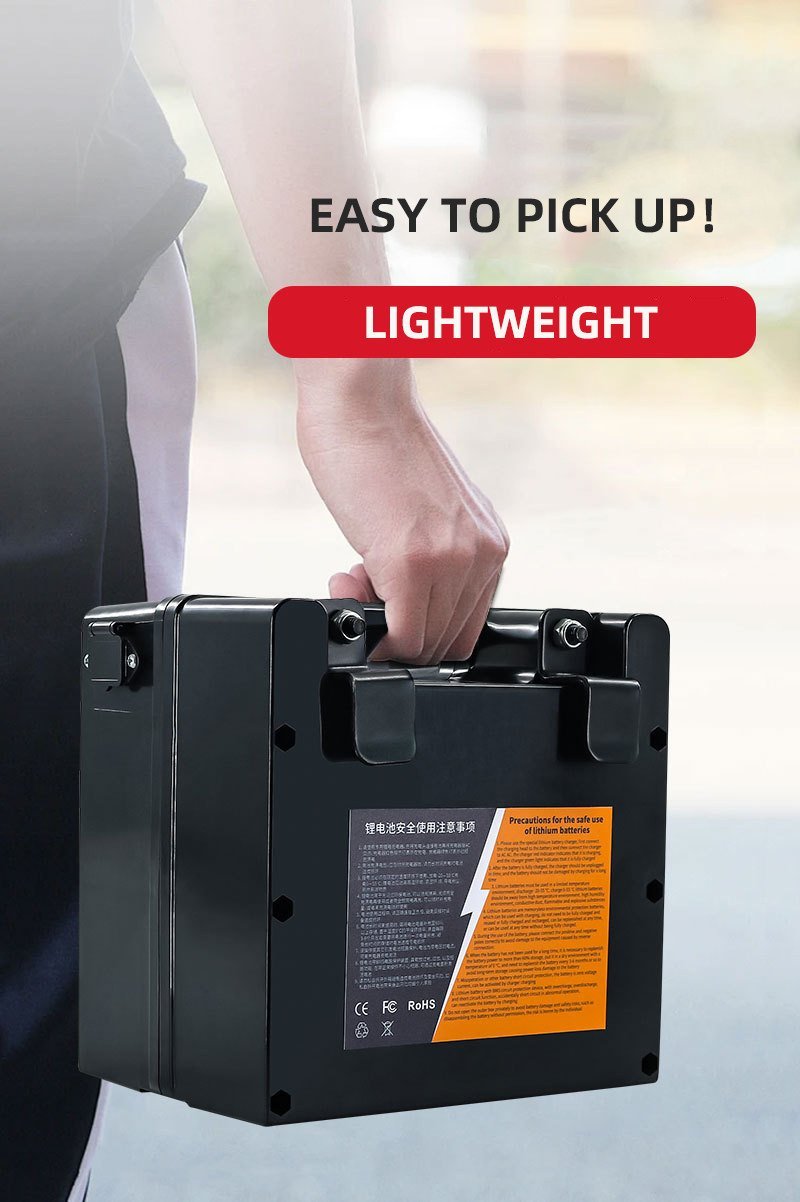
1. Start with Safety: Certifications and Compliance Must Come First
For mobility batteries, safety is not optional. Good wheelchair batteries must meet strict international standards. This helps protect users, lower fire risks, and ensure stable daily performance.
1.1 Mandatory International Certifications
A professional custom wheelchair battery manufacturer should provide (or assist with) the following certifications:
- UL 2271 – The most recognized safety standard for personal mobility battery systems
- IEC 62133 – Critical for global battery safety compliance
- 国連 38.3 – Mandatory for all lithium batteries used in transportation
- CE / FCC / RoHS – For Europe and global markets
- ISO 9001 / ISO 13485 – Quality management systems for medical equipment manufacturers
A manufacturer capable of handling UL and IEC certifications demonstrates strong R&D capability and mature engineering processes.
1.2 Cell-Level Safety
The brand of lithium cells determines a battery’s core safety and performance. Leading factories use:
- サムスンSDI
- LGエナジー・ソリューション
- Panasonic / Sanyo
- Molicel
- EVE / BAK / Lishen (high-grade Chinese manufacturers)
Premium cell brands ensure better cycle life, stable temperature behavior, and strong consistency.
2. Evaluate R&D Capability and Customization Strength
Electric wheelchairs come in many designs. These include foldable models, heavy-duty chairs, kids’ rehab chairs, and smart iWheelchairs with IoT features.
A capable manufacturer must provide custom battery design—not just assembly.
2.1 Battery Design Engineering
The battery manufacturer should offer:
- Full 3D CAD mechanical design
- Custom housing molds
- BMS firmware development
- Electrical architecture design
- Cell pack modularization
- Communication protocol development (CAN, UART, RS485)
- Compatibility with various wheelchair controllers (PG Drives, Dynamic Controls, Curtiss-Wright, etc.)
These capabilities ensure the battery fits your wheelchair—not the other way around.
2.2 Smart Wheelchair Battery Innovation
Modern wheelchair battery packs often include advanced functions:
- Battery state-of-health (SOH) monitoring
- Bluetooth app connection
- Error code reporting
- Range prediction algorithms
- Lock/Unlock anti-theft systems
- GPS (optional for premium models)
Manufacturers without strong R&D teams cannot deliver these features reliably.
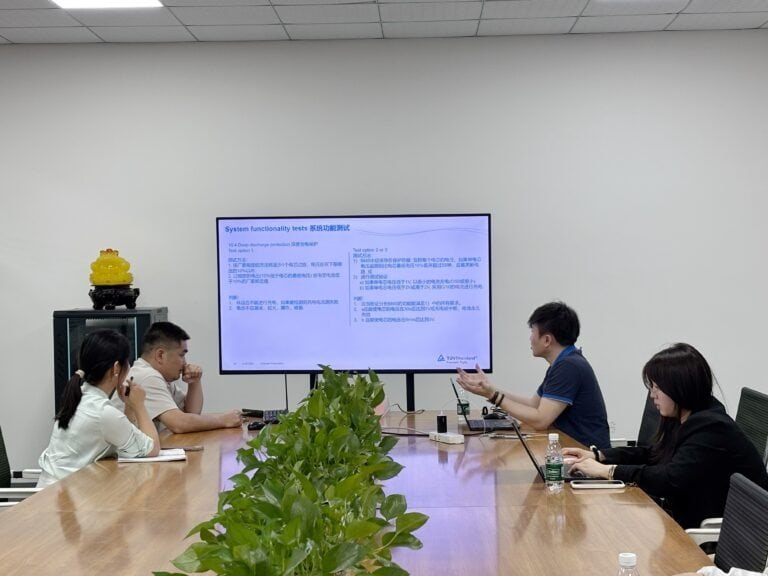
3. Assess Manufacturing Process, Quality Control, and Testing Standards
A custom wheelchair battery is called “medical-grade.” This means its quality is better than regular eBike or consumer electronics batteries.
Strong manufacturing capability is a non-negotiable requirement.
3.1 Production Line Standards
A top manufacturer should operate:
- Dust-controlled workshops
- Fully automated welding equipment
- Programmable laser welding for cell connections
- Automatic testing machines for voltage, IR, and capacity
- Specialized waterproofing and gluing stations
- Final assembly inspection zones
These facilities ensure high consistency, low defect rates, and better long-term reliability.
3.2 Cell Matching Procedure
Before assembling a battery pack, the manufacturer should perform:
- Up to 24-hour cell aging
- Precise voltage sorting
- IR sorting with ≤3mΩ difference
- Capacity grading
- Self-discharge evaluation
Stable cell matching directly increases battery lifespan and reduces maintenance costs.
3.3 Structural Safety and Durability Testing
Wheelchair batteries face constant vibration, bumps, and daily use.
Professional manufacturers perform:
- Vibration & shock testing
- Drop & impact testing
- 高温/低温サイクル
- Water resistance testing
- Forced discharge testing
- Short-circuit simulation
- Thermal runaway prevention validation
These tests ensure the battery can withstand years of real-world mobility use.
4. Consider the BMS Quality — The “Brain” Behind Wheelchair Battery Safety
について バッテリー管理システム(BMS) determines how safely and efficiently the wheelchair battery operates.
For medical mobility devices, the BMS must be significantly more reliable than standard consumer BMS designs.
4.1 Essential Safety Protections
A wheelchair battery BMS must support:
- 過充電保護
- 過放電保護
- 過電流保護
- 短絡保護
- Over-temperature protection
- セルバランシング
- Reverse polarity protection
- Waterproof and anti-interference design
Missing any of these protections poses a major safety risk.
4.2 Communication Features
High-end wheelchair batteries require BMS compatibility with different controllers via:
- CANBus
- UART
- RS485
- Smart display protocols
- Fault reporting systems
Communication is essential for diagnostics, range estimation, and intelligent wheelchair operation.
4.3 High-Current & Long-Cycle Reliability
Electric wheelchairs require strong and stable discharge capability. A robust BMS supports:
- High peak current for climbing
- Continuous stable output to protect the motor
- Long cycle life (800–2000+ cycles depending on chemistry)
This directly influences user safety and riding comfort.
5. Evaluate Chemistry Options: Lithium-Ion vs. LiFePO4 vs. Lead-Acid Replacement
Choosing the right battery chemistry is key for wheelchair performance.
5.1 Lithium Iron Phosphate (LiFePO4)
- Best for safety
- Longest cycle life (2000+ cycles)
- Stable temperature performance
- Ideal for medical mobility
5.2 NMC Lithium-Ion
- より高いエネルギー密度
- 軽量・コンパクト
- Good for foldable and travel wheelchairs
5.3 Lead-Acid to Lithium Conversion
Many users upgrade from SLA to lithium. Manufacturers should provide:
- Drop-in replacement designs
- Compatible charging protocols
- Active balancing
- Same physical dimensions
- Higher cycle life (5–10x SLA)
A qualified manufacturer will recommend the best chemistry for your wheelchair application.
6. Explore Customization Options: Housing, Capacity, Connectors, and Branding
A truly professional wheelchair battery manufacturer should offer full customization, not just basic pack assembly.
6.1 Custom Battery Housing
Options include:
- Injection-molded plastic
- Aluminum shells
- ABS+PC flame-retardant casing
- Waterproof integrated housings
Designs must support anti-shock, flame retardant, and high-temperature resistance.
6.2 Capacity & Voltage Customization
Typical wheelchair battery configurations:
- 24V 10–30Ah
- 36V 10–20Ah
- 48V for heavy-duty mobility scooters
- Parallel and series options for high-range models
Custom capacities allow brands to differentiate premium and budget product lines.
6.3 Connector Customization
Options include:
- Anderson connectors
- XT60/XT90
- Aviation plugs
- Fast-swap connectors
- OEM-specific terminals
A reliable manufacturer ensures connectors are anti-spark, corrosion-resistant, and rated for long-term use.
6.4 Branding Customization
Professional factories support:
- Custom logo printing
- Private-label BMS firmware
- Custom packaging
- User manuals
- Safety instruction sheets
- QR code traceability system
This helps brands build a unified identity across their wheelchair product line.
7. Analyze After-Sales Support and Warranty Policies
Wheelchair users depend on reliable mobility.
Choosing a manufacturer with strong after-sales service is critical.
7.1 Warranty Coverage
Industry-leading manufacturers offer:
- 12–24-month warranties
- Optional extended warranty
- Clear replacement/repair processes
A company unwilling to offer warranty confidence is a major risk.
7.2 Technical Support
Good manufacturers provide:
- Troubleshooting within 24 hours
- Remote diagnosis (for smart BMS)
- スペアパーツの供給
- Engineering support for OEM partners
Support is especially important for hospitals, rehab centers, and medical distributors.
7.3 Global Logistics Experience
A qualified supplier must understand:
- Lithium battery shipping regulations
- UN38.3文書
- MSDS and test reports
- Air/Sea transport restrictions
This ensures smooth supply for overseas customers.
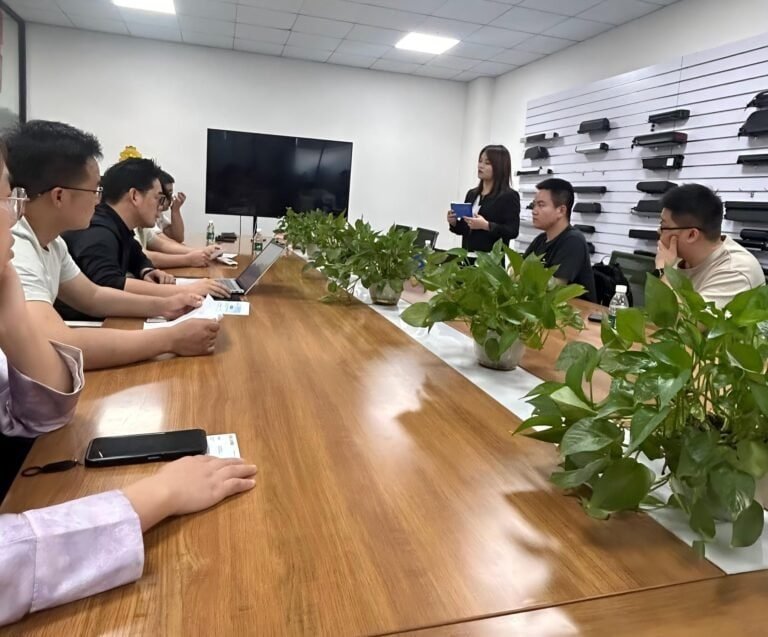
8. Look for Real Factory, Not a Trading Company
Many “battery manufacturers” online are actually trading companies with no factory or R&D team.
Always verify:
- Factory address
- Production videos/photos
- Business license
- R&D team size
- On-site audit capability (video factory tour)
A genuine battery manufacturer should be transparent and capable of proving real production strength.
Conclusion: Choosing the Best Custom Wheelchair Battery Manufacturer Requires Expertise and Care
A good wheelchair battery is more than just a power source. It is key to user independence, daily movement, and personal safety.
To choose the best custom wheelchair battery manufacturer, always evaluate:
- Safety Certifications (UL 2271, IEC 62133, UN38.3)
- R&D and Customization Ability
- Advanced Manufacturing and Testing Quality
- High-Grade BMS Safety Design
- Chemistry Options and Application Suitability
- Customization Flexibility
- Strong After-Sales and Warranty Policies
- Transparent Factory Capabilities
A professional manufacturer will not only deliver reliable batteries but also help wheelchair brands improve performance, reduce warranty claims, and enhance overall user satisfaction.

 English
  Chinese
  Japanese
  German
  French
  Korean
