
Industrial drones, also known as unmanned aerial vehicles (UAVs), are rapidly transforming modern industries.
From precision agriculture and infrastructure inspection to emergency response and logistics, UAV technology has become an essential tool for businesses seeking efficiency, automation, and real-time data.
However, the performance of any drone is fundamentally limited by one critical component: the battery.
A drone’s battery determines how long it can stay in the air, how much payload it can carry, and how safely it cancomplete missions. For industrial UAV operators, choosing the right battery is not simply a technical decision but a strategic investment that directly affects productivity, operational cost, and mission reliability.
In this comprehensive guide, we explore everything you need to know about selecting the best drone battery for industrial UAVs, including battery types, technical specifications, safety considerations, environmental factors, and how to choose a reliable battery manufacturer.
Why Drone Batteries Are Critical for Industrial UAVs
Unlike consumer drones used for photography or recreation, industrial UAVs operate under far more demanding conditions. They often perform long-duration missions, carry specialized equipment, and operate in challenging environments such as high temperatures, remote areas, or high altitudes.
Because of these requirements, the drone battery must deliver:
• High energy density for longer flight times
• High discharge capability for powerful motors
• Stable voltage output during heavy loads
• Reliable safety protection systems
• Long cycle life to reduce replacement costs
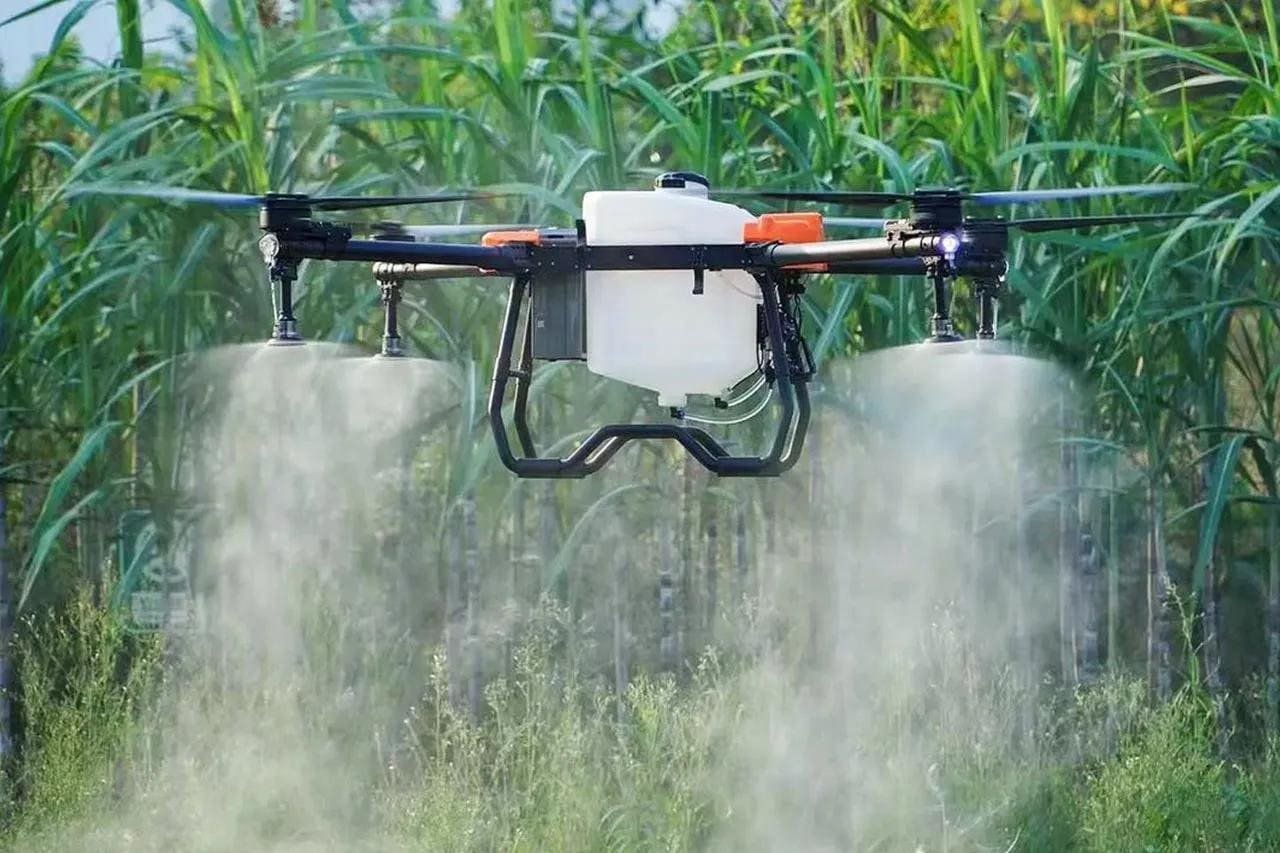
For example, agricultural spraying drones may carry 10–40 kg payloads, survey drones may fly long-distance mapping missions, and inspection drones must maintain stable flight near infrastructure. All of these tasks require high-performance power systems.
Types of Drone Batteries Used in Industrial UAVs
Most industrial drones rely on lithium-based battery technologies. These batteries offer significantly better energy density and weight efficiency compared to traditional lead-acid batteries.
Lithium Polymer Batteries (LiPo)
LiPo batteries are widely used in high-performance drones because they provide extremely high discharge rates and lightweight construction. They are commonly used in agricultural spraying drones, heavy payload drones, cinematic camera drones, and racing UAVs.
Batteries au lithium-ion (Li-ion)
Li-ion batteries offer higher energy density than LiPo batteries, allowing drones to achieve longer flight times.
These batteries are widely used in mapping drones, delivery drones, and long-endurance UAV systems.
Piles au phosphate de fer lithié (LiFePO4)
LiFePO4 batteries are known for excellent safety, thermal stability, and long cycle life. These batteries are often used in industrial applications where reliability and safety are the highest priorities.
Key Specifications to Consider When Choosing a Batterie de drone
Tension de la batterie
Voltage determines how much power is supplied to the drone motors. Common UAV battery configurations include 4S (14.8V), 6S (22.2V), and 12S (44.4V). Higher voltage systems provide greater motor efficiency and thrust.
Capacité de la batterie
Battery capacity is measured in mAh or Ah and determines how long the drone can remain airborne. Increasing capacity can extend flight time but also increases battery weight.
Discharge Rate (C Rating)
The discharge rate determines how quickly energy can be delivered. Heavy-lift UAVs often require high C-rate batteries to power large motors during takeoff and maneuvering.
Densité énergétique
Energy density refers to the amount of energy stored per kilogram of battery weight. Higher energy density leads to longer flight time and improved UAV efficiency.
Smart Battery Management Systems (BMS)
Modern drone batteries include intelligent battery management systems (BMS) to ensure safety and efficiency.
A smart BMS protects the battery from overcharge, over-discharge, short circuits, overcurrent, and overheating.
It also performs cell balancing, ensuring all battery cells remain evenly charged.
Advanced UAV batteries may also provide real-time monitoring of battery capacity, temperature, and voltage, and can communicate with drone flight controllers for improved safety and performance.
Environmental Factors Affecting Drone Battery Performance
Temperature has a major effect on lithium battery performance. Cold environments can reduce capacity and power output, while high temperatures can accelerate battery degradation.
Altitude can also influence battery efficiency because thinner air requires motors to work harder, increasing energy consumption.
Payload weight directly affects energy usage. Heavier payloads require more power, so UAV battery specifications must match mission requirements carefully.
Best Practices for Maintaining Drone Batteries
Proper battery care can significantly extend UAV battery lifespan.
Best practices include avoiding deep discharge below 20%, using certified smart chargers, storing batteries at 40–60% charge for long periods, and allowing batteries to cool before charging after flight.
Following these guidelines can extend battery life to 500–1000 cycles depending on battery chemistry.
Choosing the Right Drone Battery Manufacturer
A reliable battery supplier should provide high-quality lithium cells, advanced battery management systems, strict quality control, custom battery design services, and international certifications.
Manufacturers with strong engineering capabilities can develop customized battery packs optimized for specific UAV platforms and mission requirements.
Conclusion
Selecting the best drone battery for industrial UAVs requires a careful evaluation of battery chemistry,
capacity, discharge rate, energy density, and safety features.
Lithium battery technologies such as LiPo, Li-ion, and LiFePO4 continue to dominate the UAV industry due to their
excellent balance of performance, weight, and reliability.
By choosing the right battery system and partnering with an experienced manufacturer, businesses can improve UAV
performance, safety, and operational efficiency.
FAQ – Industrial Drone Batteries
1. How long does a drone battery last?
Most industrial drone batteries last between 300 and 800 charge cycles depending on usage conditions.
2. How can I increase drone flight time?
Increase battery capacity, reduce drone weight, use efficient motors, and optimize flight speed.
3. Are lithium-ion batteries better than LiPo for drones?
Li-ion batteries offer longer endurance, while LiPo batteries provide higher power output.
4. Can industrial drone batteries be customized?
Yes, professional battery manufacturers often provide custom UAV battery solutions tailored to specific drones.

 English
  Chinese
  Japanese
  German
  French
  Korean
