
Angesichts der verwirrenden Vielfalt an Batterietypen, technischen Parametern und Anbieteroptionen auf dem Markt sind viele Roboterhersteller, Systemintegratoren und Projektteams oft verwirrt. Die Wahl der Batterie bestimmt jedoch direkt die Leistung, Betriebseffizienz, Sicherheit und Gesamtlebensdauer des Roboters.
In der Praxis führt eine falsche Batterieauswahl häufig zu:
* Unzureichende Batterielebensdauer, die die Arbeitszyklen beeinträchtigt
* Überhitzung und schnelle Abnutzung der Batterie, was die Wartungskosten erhöht
* Schlechte Systemkompatibilität, häufige Alarme oder Systemabstürze
* Sicherheitsrisiken, die sogar zu Unfällen führen können
In diesem Leitfaden wird systematisch und auf der Grundlage praktischer Fertigungserfahrungen erläutert, wie eine geeignete, zuverlässige und in Serie herstellbare Batterielösung für Roboter ausgewählt werden kann.

1: Vergleich von Common Roboter-Batterie Typen
Um die richtige Roboterbatterie auszuwählen, ist es wichtig, die Eigenschaften und die Anwendbarkeit der verschiedenen Batterietypen zu kennen. Obwohl in modernen Robotern fast ausschließlich Lithium-Ionen-Batterielösungen zum Einsatz kommen, gibt es erhebliche Unterschiede zwischen den verschiedenen Lithium-Ionen-Systemen, während einige herkömmliche Batterien nach und nach ausgemustert wurden.
| Art | Nennspannung (V) | Energiedichte (Wh/kg) | Maximale Entladungsrate | Zyklus Leben | Betriebstemperatur | Vorteile | Benachteiligungen |
| NCM (ternäres Lithium) | 3.7-4.2 | 200-250 | Bis zu 3C | 500-1.000 Zyklen | -20°C bis 60°C | Hohe Energiedichte, geringes Gewicht | Höhere Kosten, Wärmemanagement erforderlich |
| LiFePO4 (LFP) | 3.2 | 90-120 | Bis zu 3C | 2.000-4.000 Zyklen | -10°C bis 60°C | Ausgezeichnete Sicherheit, lange Lebensdauer | Geringere Energiedichte |
| LMFP | 3.7-4.0 | 150-200 | Bis zu 3C | 2.000-3.500 Zyklen | -10°C bis 55°C | Gleichgewicht von Sicherheit und Energie | Neuere Technologie, höhere Kosten |
| Blei-Säure | 2 | 30-50 | Bis zu 1C | 200-500 Zyklen | -20°C bis 50°C | Geringe Kosten | Schwer, kurze Lebenserwartung |
| Ni-Cd | 1.2 | 40-60 | Bis zu 3C | 500-1.500 Zyklen | -20°C bis 60°C | Dauerhaft | Gedächtniseffekt, giftiges Cadmium |
| Alkalisch | 1.5 | ~100 | Nicht wiederaufladbar | K.A. | 0°C bis 40°C | Leicht verfügbar | Nicht wiederaufladbar, geringe Kapazität |
2: Die beste Batterieauswahl für Roboteranwendungen
1. Ternäre Lithium-Batterien (NCM)
Ternäre Lithiumbatterien sind bekannt für ihre **hohe Energiedichte und ihr geringes Gewicht**, wodurch sie sich für Roboter eignen, bei denen Größe und Gewicht eine Rolle spielen.
**Typische Anwendungen sind:**
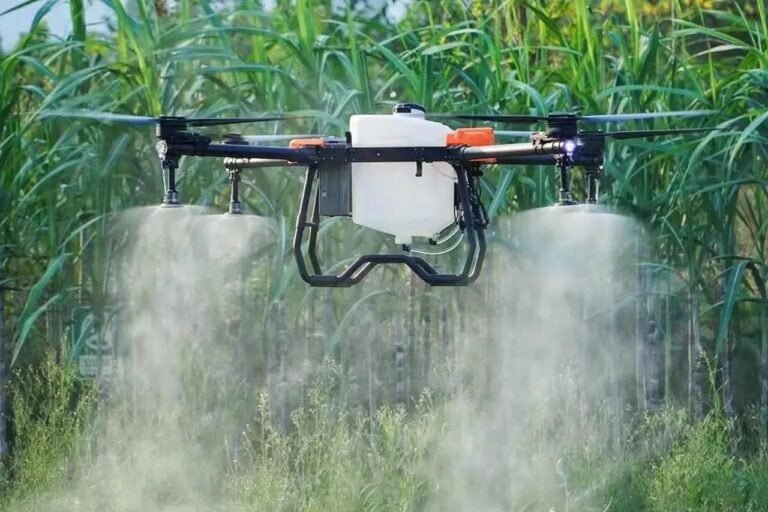
* Drohnen und Flugroboter
* Humanoide Roboter (Forschung/Bildung/Demonstration)
* Chirurgische Roboter und medizinische Geräte
* Exoskelette und tragbare Roboter
* Militärische und taktische Roboter
Yizhan Electronics bietet **angepasste NCM-Batterielösungen für 36V-72V**, die längere Betriebszeiten bei gleichbleibender Sicherheit gewährleisten.
2. Lithium-Eisen-Phosphat-Batterien (LFP)
LFP-Batterien haben sich aufgrund ihrer **hohen Sicherheit, langen Lebensdauer und thermischen Stabilität** zur ersten Wahl für Industrieroboter entwickelt.
Typische Anwendungen sind:
* Automatisch gesteuerte Fahrzeuge (AGVs)
* Autonome mobile Roboter (AMRs)
* Lagerhaltung und Logistikroboter
* Reinigungsroboter
* Inspektionsroboter und Außenroboter
Die LFP-Roboterbatterielösungen von Yizhan Electronics unterstützen **24V / 48V / 72V** und sind optional mit den Schutzklassen **IP65 / IP67** erhältlich. -
3. Lithium-Mangan-Eisenphosphat-Batterie (LMFP)
LMFP kombiniert die Sicherheit von LFP mit einer höheren Energiedichte und eignet sich daher für Anwendungen, die sowohl hohe Sicherheit als auch eine lange Batterielebensdauer erfordern.
**Typische Anwendungen sind:**
* Automatisierte Lieferroboter
* Große gewerbliche Reinigungsroboter
* Außenüberwachungs- und Patrouillenroboter
* Präzisionslandwirtschaftsroboter
* Marine- und Spezialroboter
4: Warum sind manche Batterien nicht für Roboter geeignet?
**Blei-Säure-Batterien:** Sie sind schwer, sperrig und haben eine kurze Lebensdauer, was sich nachteilig auf die Effizienz mobiler Roboter auswirkt.
**Nickel-Cadmium-Batterien:** Sie leiden unter dem Memory-Effekt, und Cadmium ist giftig und entspricht nicht den modernen Umwelt- und Gesetzesanforderungen.
**Alkalibatterien:** Nicht wiederaufladbar, nur für Geräte mit geringem Stromverbrauch zum einmaligen Gebrauch geeignet.
Daher wurden diese Batterien in modernen Robotersystemen weitgehend durch Lithiumbatterien ersetzt.
5: Schlüsselfaktoren bei der Auswahl von Roboterbatterien
1. Spannung und Kapazität
* Die Nennspannung der Batterie muss mit der des Robotersystems übereinstimmen.
* Die Kapazität (Ah / Wh) bestimmt die Betriebsdauer.
2. Größe und Gewicht
* Vergewissern Sie sich, dass die Batterie in den Bauraum passt.
* Bei mobilen Robotern sollte die Leichtbauweise Vorrang haben.
3. Entladestrom-Fähigkeit
* Erfüllt die Anforderungen an die Spitzenleistung beim Anfahren, Beschleunigen und Steigen.
4. Lebensdauer der Batterie
* Die hohe Lebensdauer senkt die langfristigen Betriebskosten erheblich.
5. Anpassungsfähigkeit an die Umwelt
* Breiter Betriebstemperaturbereich
* Staub- und wasserdicht (IP65 / IP67)
6. Sicherheit und Schutz
* Überladung / Überentladung / Überstrom / Kurzschluss / Temperaturschutz
7. Kommunikationsprotokolle
* CAN
* RS485
* UART / TCP-IP
Yizhan Electronics kann **eine umfassende BMS-Anpassung und kundenspezifische Entwicklung** auf der Grundlage der Systemanforderungen des Kunden anbieten. -
6: Erweiterte Funktionen, die erwähnenswert sind
Hot-Swap-fähiges Design: Die Batterien können ohne Betriebsunterbrechung ausgetauscht werden.
Parallelschaltung mehrerer Batterien: Verlängert die Lebensdauer der Batterien.
Schutzart IP67: Geeignet für raue Arbeitsbedingungen.
Intelligente Überwachung: Bluetooth / 4G / GPS
OTA-Upgrade: Fernaktualisierung der Firmware
Hochgradig anpassbar: Flexible Konfiguration von Größe, Spannung, Kapazität und Schnittstellen.
7: Wie wählt man einen zuverlässigen Hersteller von Roboterbatterien?
1. Zertifizierungen und Qualitätssystem
* ISO9001
* IATF16949
* CE / FCC / UN38.3 / MSDS
2. F&E und technische Fähigkeiten
* Auswahl der Batteriezellen
* BMS-Entwurf
* Struktur und Wärmemanagement
3. Produktionskapazität und Lieferung
* Stabile Massenproduktion
* Skalierbare Kapazität
4. Kundendienst und technische Unterstützung
* Schnelle Reaktion
* Technische Zusammenarbeit
5. Globale Dienstleistungskapazitäten
* Unterstützung von Projekten in Übersee
* Fern-/Vor-Ort-Audits im Werk
Über Yizhan Electronics Technology Co, Ltd.
Dongguan Yizhan Electronics Technology Co. Ltd. ist ein professioneller Hersteller von Lithiumbatterien, der sich auf Roboter, FTS, Industrieausrüstung und Energiespeicher spezialisiert hat.
Zentrale Vorteile:
1. **Intelligentes BMS-System:** Mehrere Sicherheitsvorkehrungen, unterstützt CAN / RS485 / UART
2. **Kundenanpassungsmöglichkeiten:** OEM / ODM / Anpassung auf Projektebene
3. **Sicherheit und Zuverlässigkeit:** Verwendet markengeschützte A-Grade-Batteriezellen
4. **Massenproduktion und Lieferung:** Unterstützt die Lieferung von Mustern bis zu großen Mengen
FAQ: Häufig gestellte Fragen zu Roboterbatterien
Q1: Wie lange halten die Batterien von Robotern normalerweise?
A: Hochwertige Lithiumbatterien haben eine Lebensdauer von 2.000-6.000 Zyklen, je nach Betriebsbedingungen.
F2: Unterstützen Roboterbatterien das Schnellladen?
A: Ja, aber es erfordert eine passende spezielle Batteriezelle und BMS-Lösung.
F3: Ist es möglich, Roboterbatterien für niedrige Temperaturen individuell zu gestalten?
A: Ja, Yizhan Electronics unterstützt Tieftemperaturlösungen von -20℃ bis -40℃.
F4: Unterstützen Sie die Versuchsproduktion von Kleinserien?
A: Ja, wir unterstützen eine schrittweise Steigerung der Produktion, beginnend mit Mustern und kleinen Chargen.

 English
  Chinese
  Japanese
  German
  French
  Korean
